News•Mar 9, 2026
In People with Epilepsy, Sleeping After a Seizure May Trigger More Seizures
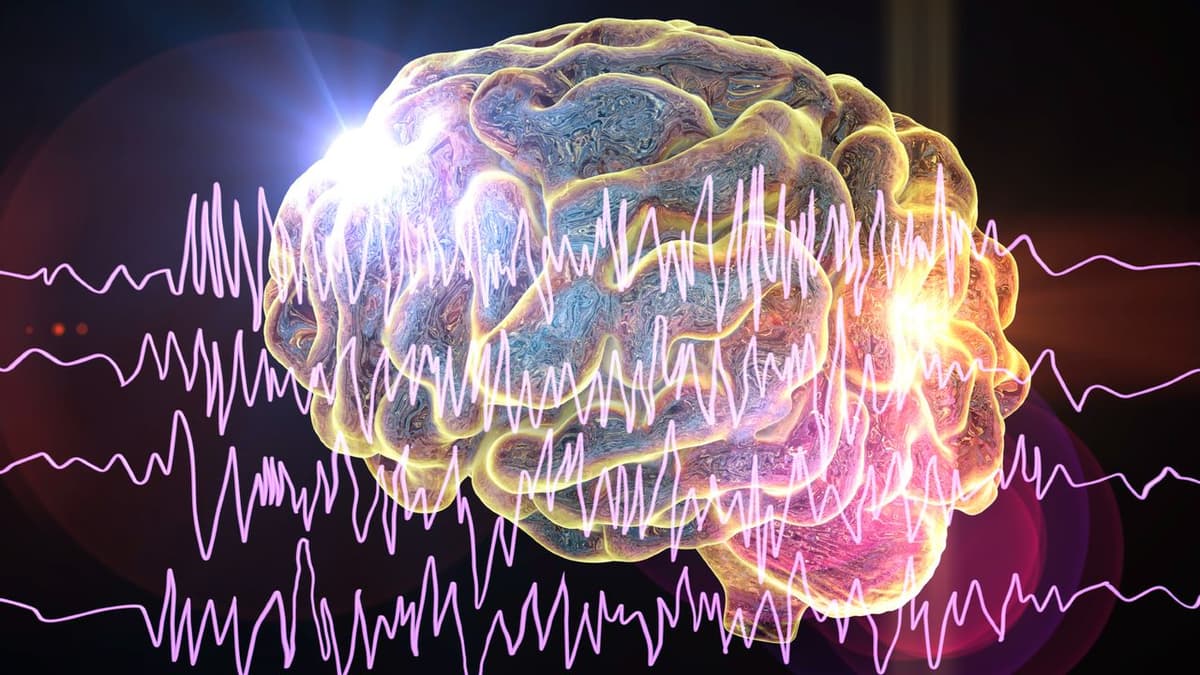
A new study of 11 drug‑resistant epilepsy patients found that nights after a seizure are about 24 minutes longer overall, with rapid‑eye‑movement (REM) sleep reduced by roughly 12 minutes and deep slow‑wave sleep intensified. Researchers propose that the brain may use memory‑forming pathways during sleep to "record" seizure patterns, potentially making future seizures more likely. The work leveraged long‑term home EEG recordings, avoiding hospital‑induced sleep disruptions. Findings suggest that targeted electrical stimulation could interrupt this seizure‑memory process, opening a personalized therapeutic avenue.
By Live Science

News•Mar 8, 2026
Making a 'Digital Twin' Of Yourself Could Revolutionize Future Surgeries, Making Medical Procedures Much More Personal
Dr. John Pandolfino at Northwestern Medicine has created a digital twin of the esophagus to guide myotomy surgery for achalasia patients. The virtual model reproduces pressure and motion, runs millions of simulations, and recommends the optimal surgical cut. A 400‑patient...
By Live Science

News•Mar 7, 2026
'It Could Revolutionize, Completely, the Way We Treat Depression': Researchers Are Exploring Promising Immune Therapy for Treating Psychiatric Symptoms
Researchers led by Dr. James Murrough and Dr. Emma Guttman‑Yassky identified the Th2 immune pathway as a contributor to major depressive disorder. Using proteomic profiling and computer modeling, they repurposed dupilumab—an IL‑4 receptor antibody approved for eczema—to target this pathway....
By Live Science

News•Mar 6, 2026
Could Gut Microbes Hold the Secret to Aging Well? A Researcher Unpacks the Emerging Science
The article explains that gut microbiome composition is tightly linked to aging, with older individuals showing reduced diversity and more inflammatory bacteria. Experiments in mice demonstrate that transplanting youthful microbiota can reverse age‑related inflammation, while diet, fiber, and exercise can...
By Live Science