
Recent Posts

News•Mar 1, 2026
Australian Renters Endure Needless Suffering
Australian renters have faced a severe affordability squeeze as advertised rents surged 42% over the past five years, outpacing wage growth by nearly three‑to‑one. The median rental home now costs roughly $10,600 more per year than it did in early 2021, eroding household budgets across income brackets. Cotality’s data highlights that the rent‑wage gap is widening, leaving many tenants financially strained. The trend underscores a broader housing crisis that threatens consumer spending and economic stability.
By MacroBusiness (Australia)

News•Feb 26, 2026
YIMBY Grattan Institute Spins Housing Supply Fantasies
The Grattan Institute proposes that New South Wales could add up to one million homes by adopting Victoria’s “as‑of‑right” planning framework. Victoria’s model automatically approves terraces, townhouses and three‑storey apartments that meet objective design standards, removing council vetoes. Extending this...
By MacroBusiness (Australia)

News•Feb 26, 2026
CGT Concerns Don’t Stack Up
The Real Estate Institute of Australia (REIA) has publicly opposed the government’s plan to halve the capital gains tax (CGT) discount from 50 % to 25 %. REIA argues the cut will force landlords to raise rents to offset lower after‑tax returns,...
By MacroBusiness (Australia)
News•Feb 24, 2026
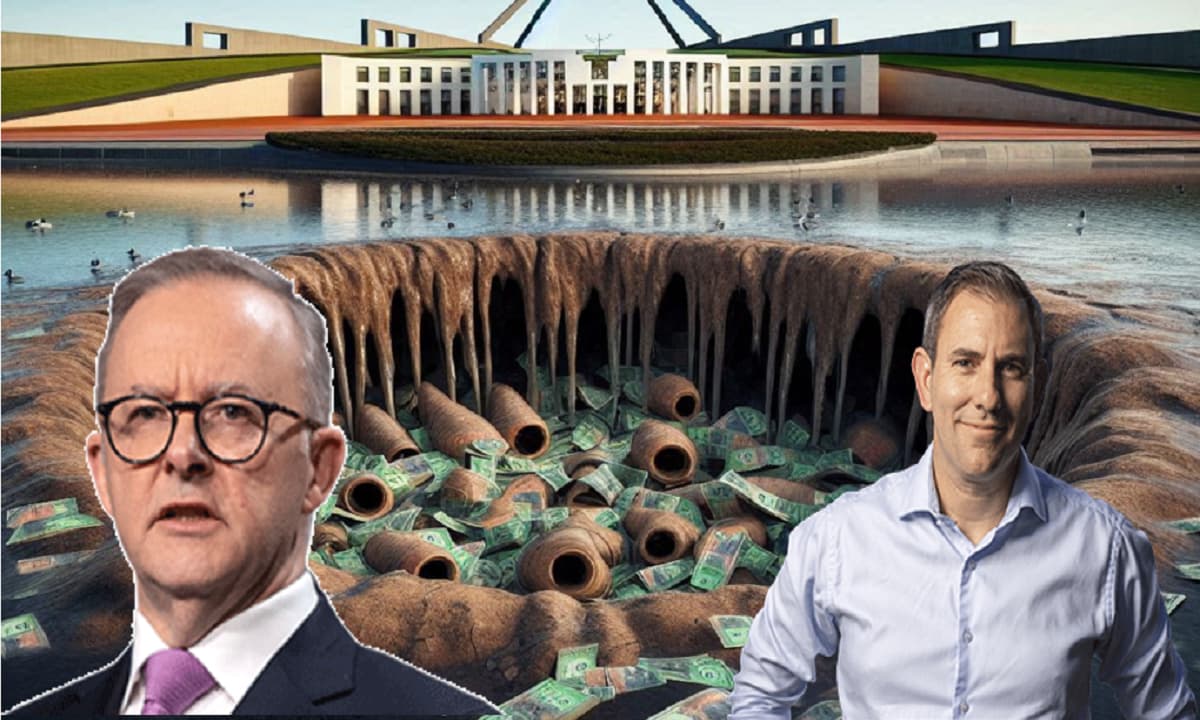
PBO’s Migration Analysis Doesn’t Add Up
The Australian newspaper cited the Parliamentary Budget Office’s (PBO) budget tool to challenge One Nation’s proposal to cap visas at 130,000 annually and achieve net‑zero immigration. The PBO‑based analysis estimates a $100 billion loss in federal revenue over the next decade,...
By MacroBusiness (Australia)

News•Feb 23, 2026
Australians Are Stuck in a Low Income Growth Trap
The OECD’s latest cross‑country data for Q3 2025 shows Australia posting the smallest rise in real per‑capita household disposable income among major English‑speaking economies over the past ten years. While other nations such as the United States, United Kingdom and Canada...
By MacroBusiness (Australia)

News•Feb 20, 2026
Weekend Reading and MB Media Appearances
The MacroBusiness weekend briefing spotlights a series of global and domestic macro developments. In the United States, the Federal Reserve injected $18.5 billion of liquidity, complied with a White House‑requested rate check, and saw sub‑prime unsecured loan balances hit record levels...
By MacroBusiness (Australia)