
Recent Posts

News•Feb 12, 2026
Surgery Is Slightly More Cost-Effective than Radiotherapy for Esophageal Cancer in China
A recent Chinese study finds surgery slightly more cost‑effective than radiotherapy for esophageal squamous cell carcinoma (ESCC). Using a TreeAge Pro Markov model on 196 real‑world patients, surgery delivered longer median overall survival (41.3 vs 30.4 months) and higher quality‑adjusted life years. The incremental cost‑effectiveness ratio was about $34,745 per QALY, with the probability of cost‑effectiveness rising from 10% to 62.5% across willingness‑to‑pay thresholds of $12,741–$38,223. Sensitivity analyses highlighted adverse‑event and immunotherapy expenses as key drivers.
By Managed Healthcare Executive

News•Feb 11, 2026
Study Explores Most Cost-Effective Smoking Cessation Methods in Lung Cancer Screening
A recent economic evaluation of the ASSIST trial at Massachusetts General Hospital identified the most cost‑effective smoking‑cessation approach for patients undergoing lung‑cancer screening. The optimal strategy combined eight telehealth counseling sessions with a two‑week course of nicotine‑replacement patches, achieving an...
By Managed Healthcare Executive
News•Feb 11, 2026
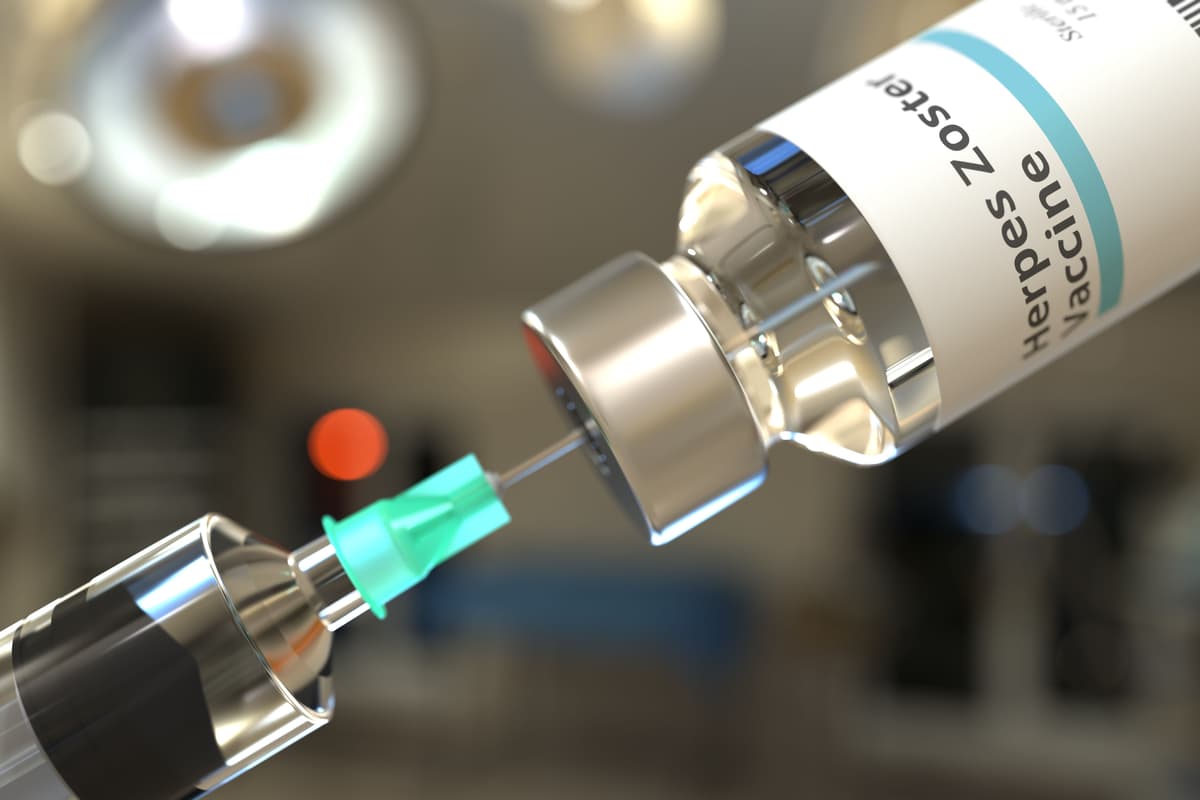
Women Show Greater Dementia Risk Reduction From Shingles Vaccine
A retrospective cohort study of Kaiser Permanente members aged 65 and older found that receiving two doses of the recombinant zoster vaccine (Shingrix) was associated with a 51% lower incidence of dementia. The protective effect was observed across age, racial,...
By Managed Healthcare Executive

News•Feb 11, 2026
ACE Inhibitors Linked to Reduced Mortality in Idiopathic Pulmonary Fibrosis
A large UK observational study published in Chest found that angiotensin‑converting enzyme (ACE) inhibitor use is linked to an 18 % relative reduction in all‑cause mortality among idiopathic pulmonary fibrosis (IPF) patients, with a hazard ratio of 0.82. The analysis covered...
By Managed Healthcare Executive
News•Feb 10, 2026
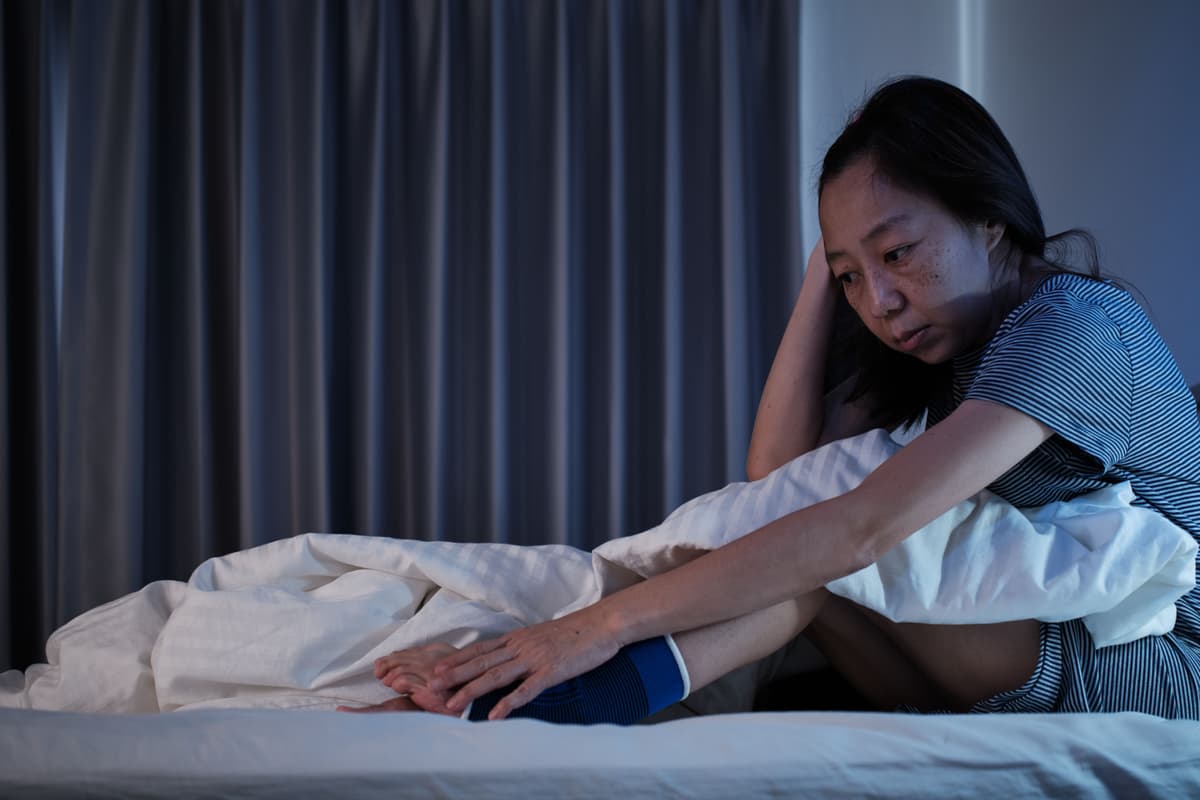
A Conversation About Nighttime Itch with Gil Yosipovitch, M.D., Dermatology Professor at Miller School of Medicine at the University of...
Researchers at the Miami Itch Center, led by Dr. Gil Yosipovitch, found that nocturnal pruritus spikes due to circadian shifts in cytokines, increased skin permeability, and a modest rise in skin temperature. The study links chronic itch to chronic pain,...
By Managed Healthcare Executive