
News•Mar 11, 2026
Closing Biological Age Gap Could Reduce Stroke Risk, Support Brain Health
A large observational study of over 258,000 adults linked improvements in the biological‑chronological age gap to a 23% lower risk of stroke and a 13% reduction in white‑matter hyperintensity volume. Researchers estimated biological age from routine blood biomarkers and tracked changes in roughly 6,000 participants over six years. The findings suggest that narrowing the age gap through lifestyle or medical interventions may protect vascular and brain health. Experts caution that causality remains unproven until randomized trials are conducted.
By Medical News Today

News•Mar 11, 2026
How Might Estrogen Affect Hypertension Risk at Menopause?
Women entering perimenopause and postmenopause face a heightened hypertension risk, with roughly 41% developing high blood pressure after menopause. A new study in Mathematical Biosciences uses a mathematical model to show estrogen’s vasodilatory effect as the primary mechanism protecting premenopausal...
By Medical News Today
News•Mar 10, 2026
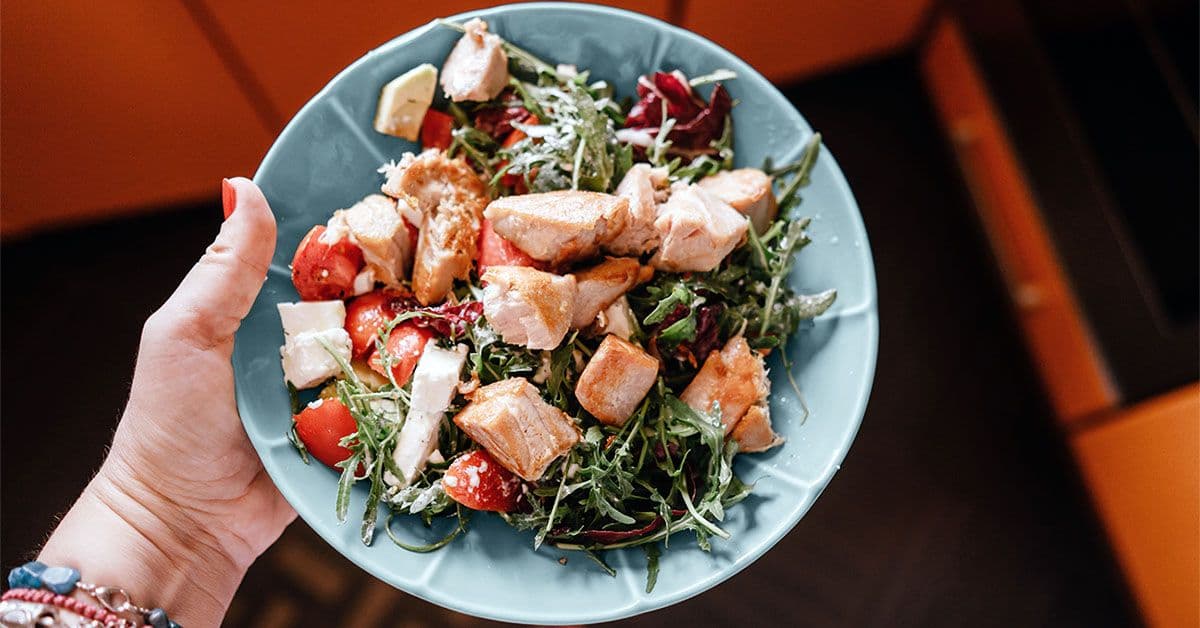
Is Everything We Know About Fat Wrong? Experts Debunk 4 Myths
Recent research and expert commentary overturn the long‑standing low‑fat dogma, emphasizing that total fat intake of 20‑35% of calories is acceptable and that the type of fat matters more than the amount. Saturated fats can remain in the diet for...
By Medical News Today

News•Mar 6, 2026
GLP-1 Drugs and 8 Healthy Lifestyle Habits May Lower Cardiovascular Risk
A large observational study of 98,261 U.S. veterans with type 2 diabetes found that using GLP‑1 receptor agonists together with six to eight healthy lifestyle habits lowered major adverse cardiovascular events (MACE) by 43% compared with low‑habit, non‑GLP‑1 users. Both the...
By Medical News Today

News•Mar 6, 2026
Being at High Altitudes Could Help Blood Sugar Control: Here's Why
Researchers found that low‑oxygen environments cause red blood cells to multiply and increase GLUT1 expression, turning them into a powerful glucose sink. In mice, chronic hypoxia improved glucose tolerance and reversed hyperglycemia, an effect replicated by the experimental drug HypoxyStat...
By Medical News Today

News•Mar 6, 2026
Study Finds 7 Hours and 19 Minutes of Sleep May Be Best for Insulin Sensitivity
A cross‑sectional analysis of 23,475 adults identified 7 hours 19 minutes (≈7.3 h) of nightly sleep as the sweet spot for insulin sensitivity, measured by estimated glucose disposal rate (eGDR). Sleep durations shorter than this point showed lower eGDR, while longer sleep was linked...
By Medical News Today

News•Mar 6, 2026
High Fat, Low- Carb Diet Lowers Blood Sugar, Improves Exercise Response in Mice
A mouse study found that a high‑fat, low‑carb ketogenic diet normalized blood‑sugar levels in hyperglycemic mice and, when combined with aerobic training, restored their peak oxygen consumption (VO2max). The diet shifted metabolism toward fatty‑acid oxidation and ketone utilization, eliminating muscle‑remodeling...
By Medical News Today

News•Mar 6, 2026
High Fat, High Sugar Diet May Leave Lasting Changes on Brain, Eating Later in Life
A new study in Nature Communications shows that a high‑fat, high‑sugar diet during early life permanently alters hypothalamic circuits that regulate appetite in mice, even after the diet is discontinued. The research links these lasting changes to the gut microbiome...
By Medical News Today