
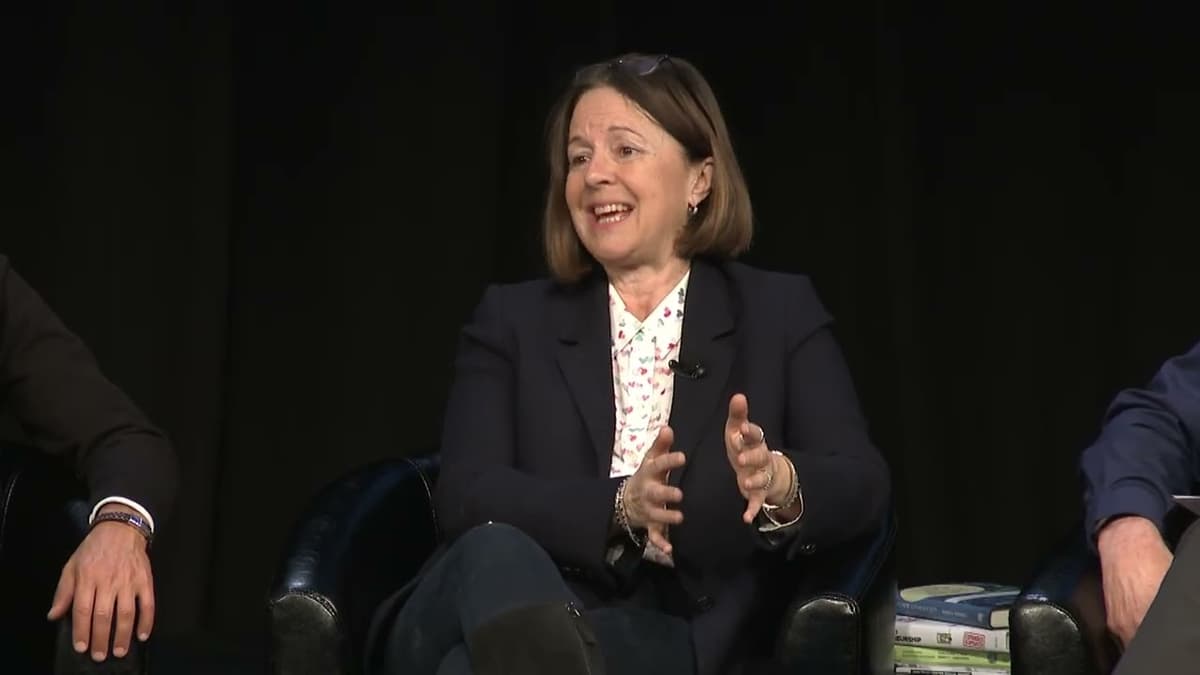
SpaceTech 2026 Panel: MIT’s Innovation Network
The SpaceTech 2026 panel highlighted MIT’s Innovation Network as a catalyst for turning deep‑tech research, especially in space propulsion and defense, into market‑ready ventures. Faculty members from the Department of Aeronautics, the Sloan School of Management, and the Martin Trust Center discussed how the university’s decentralized structure, technology licensing office, and venture‑building programs nurture entrepreneurship across disciplines. Key insights included the critical need for technology readiness before seeking funding, the massive capital and regulatory hurdles unique to hardware‑intensive space startups, and the decisive role of listening to customers. Real‑world examples such as Action Systems (later Revolution Space), Electrify’s pivot from bandage tech to a Pfizer‑backed drug‑delivery platform, and Shield AI’s rise to a $13 billion unicorn illustrated how market‑driven pivots can unlock billion‑dollar exits. Notable quotes underscored the panel’s philosophy: Bill Aulet’s equation “innovation = invention × commercialization,” Fiona Murray’s emphasis on building deep‑tech teams that blend engineers, market experts, and investors, and the Trust Center’s mantra that “entrepreneurship is about specificity, not generalities.” These statements reinforced the view that successful commercialization hinges on both robust IP and a clear path to customer value. The discussion signals that MIT’s model—combining rigorous research, cross‑disciplinary education, and hands‑on mentorship—offers a replicable blueprint for other institutions aiming to accelerate the space economy. Investors and policymakers can glean that supporting early‑stage hardware ventures requires not just capital but also ecosystem services that de‑risk technical and regulatory challenges.
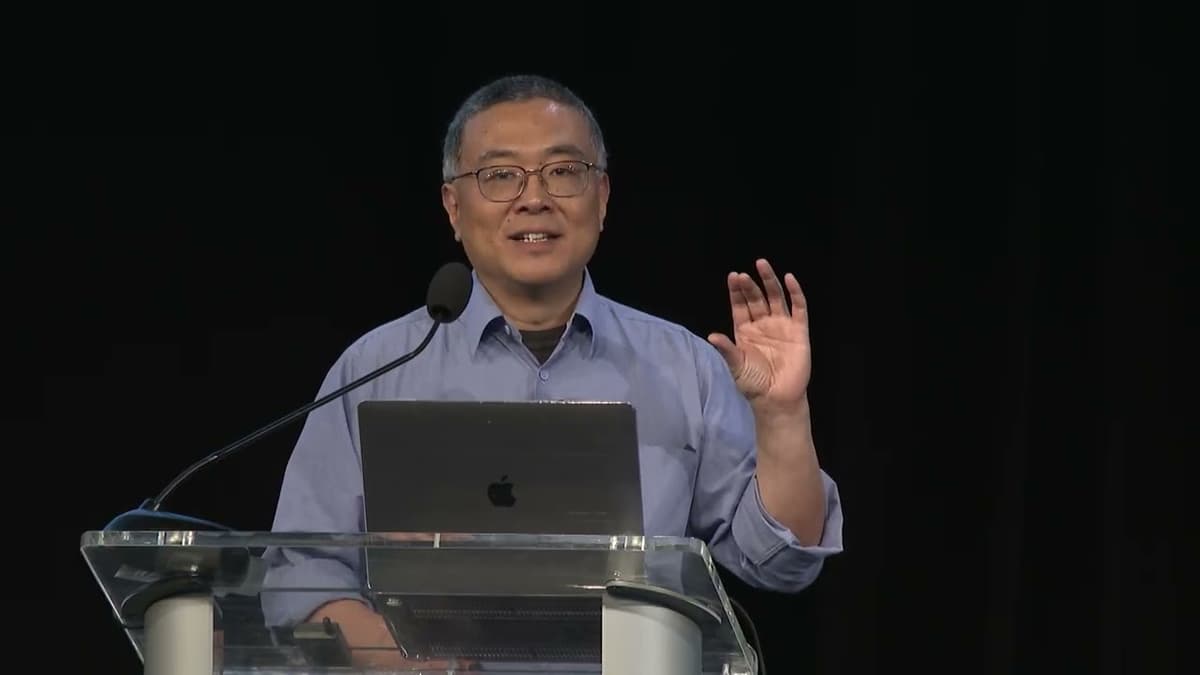
SpaceTech 2026 Research Talks – Jianping Pan
Dr. Jianping Pan presented the Coast‑to‑Coast (CCC) LEO testbed, a Canada‑wide measurement platform that now includes stations in every province, territory, and early deployments in the United States. The infrastructure consists of fixed and mobile dishes equipped with mini‑PCs that...
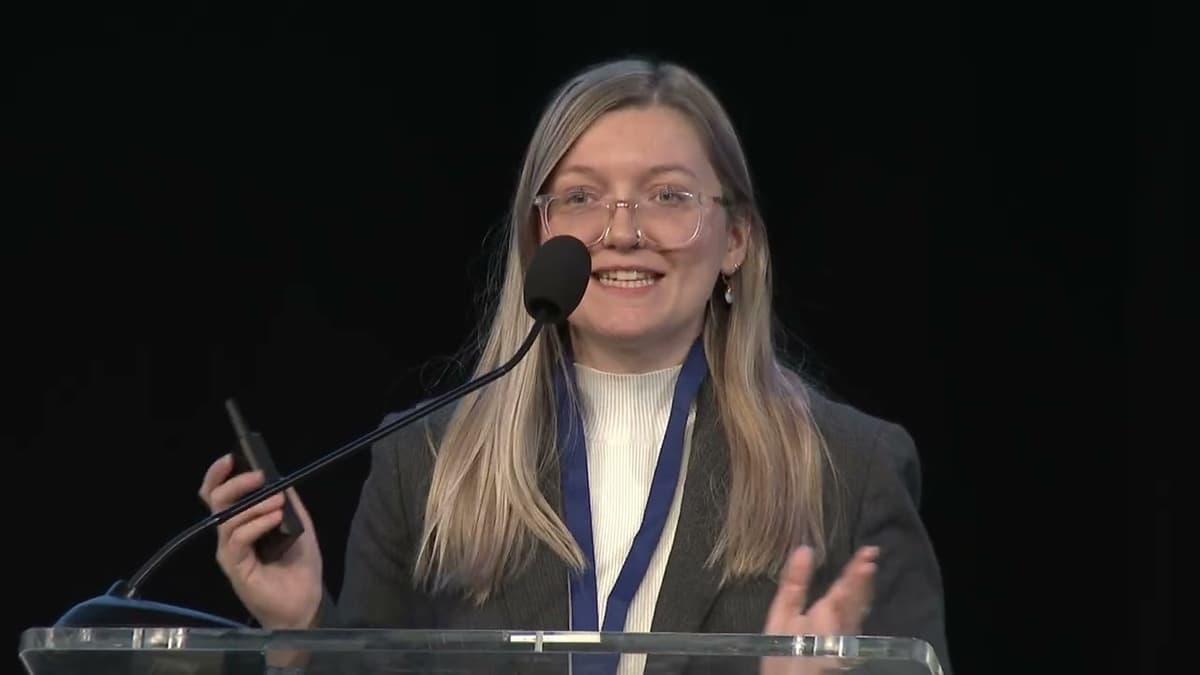
SpaceTech 2026 Lightning Talks – Lanie McKinney
Laney McKinney outlined a plasma‑based strategy for Mars in‑situ resource utilization, targeting the production of oxygen, fuel, and fertilizers from CO₂, nitrogen, and water available on the Red Planet. She highlighted the critical design constraint of consumable mass for human...
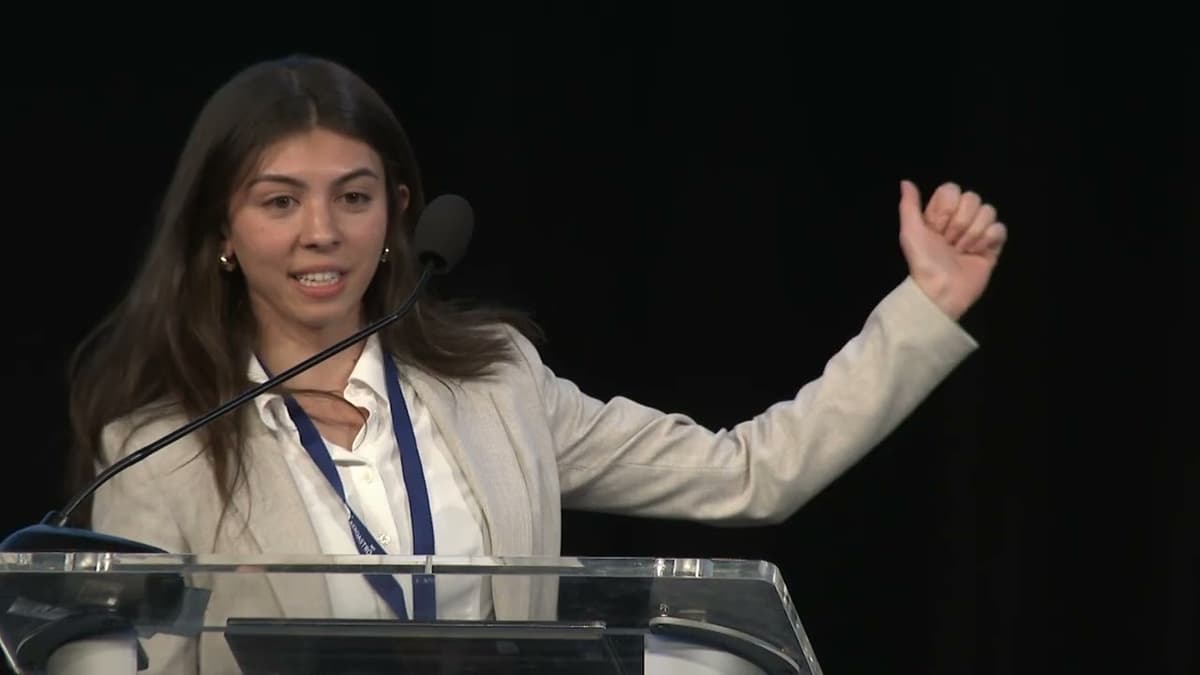
SpaceTech 2026 Lightning Talks – Carol Klingler
Carol Klingler, a NASA Pathways fellow and graduate student, presented research urging a rethink of space‑telescope structural design. She highlighted that many current instruments, such as the James Webb Space Telescope, retain ground‑based stiffness paradigms even though micro‑gravity eliminates the...
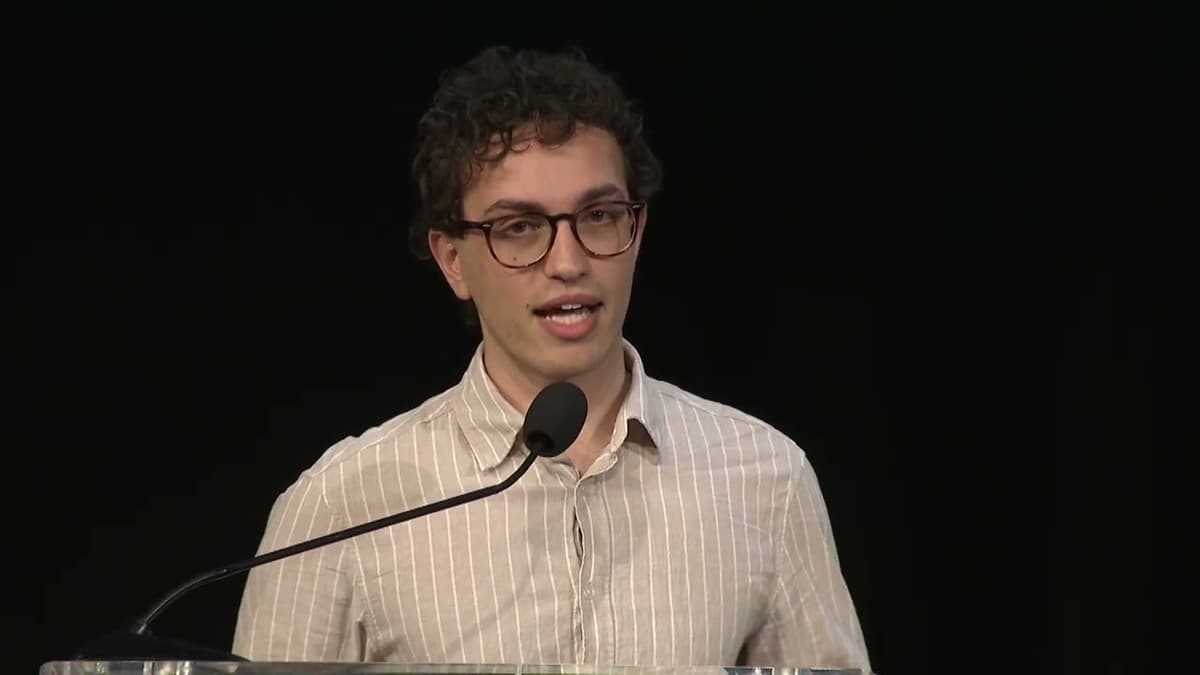
SpaceTech 2026 Lightning Talks – Eric Elias
Eric Elias, a second‑year aerospace controls graduate, presented his research on navigating around unknown space objects by fusing visible‑light and thermal imagery. He highlighted the problem of eclipse periods in low‑Earth orbit, which can obscure a target for up to...
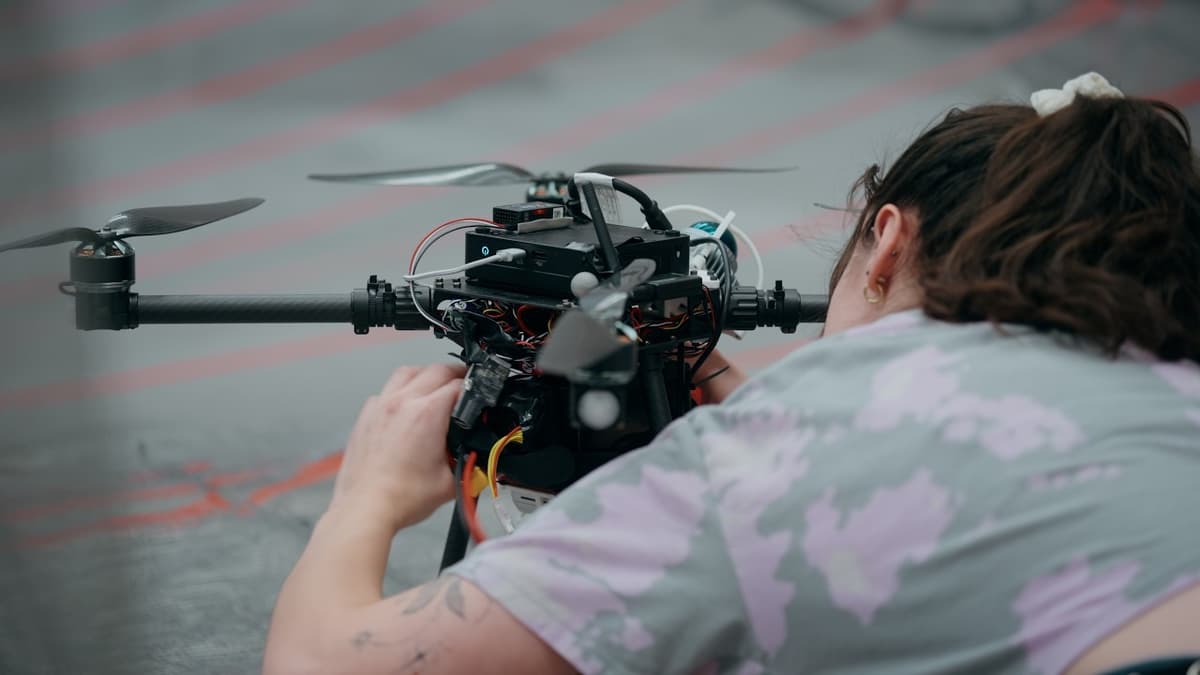
Design and Testing of Autonomous Vehicles
The video introduces a senior capstone course, Design and Testing of Autonomous Vehicles, where students build a complete autonomous landing system that mimics lunar‑lander challenges. The class moves from mission definition through requirements, software architecture, and finally hardware integration, tasking...