
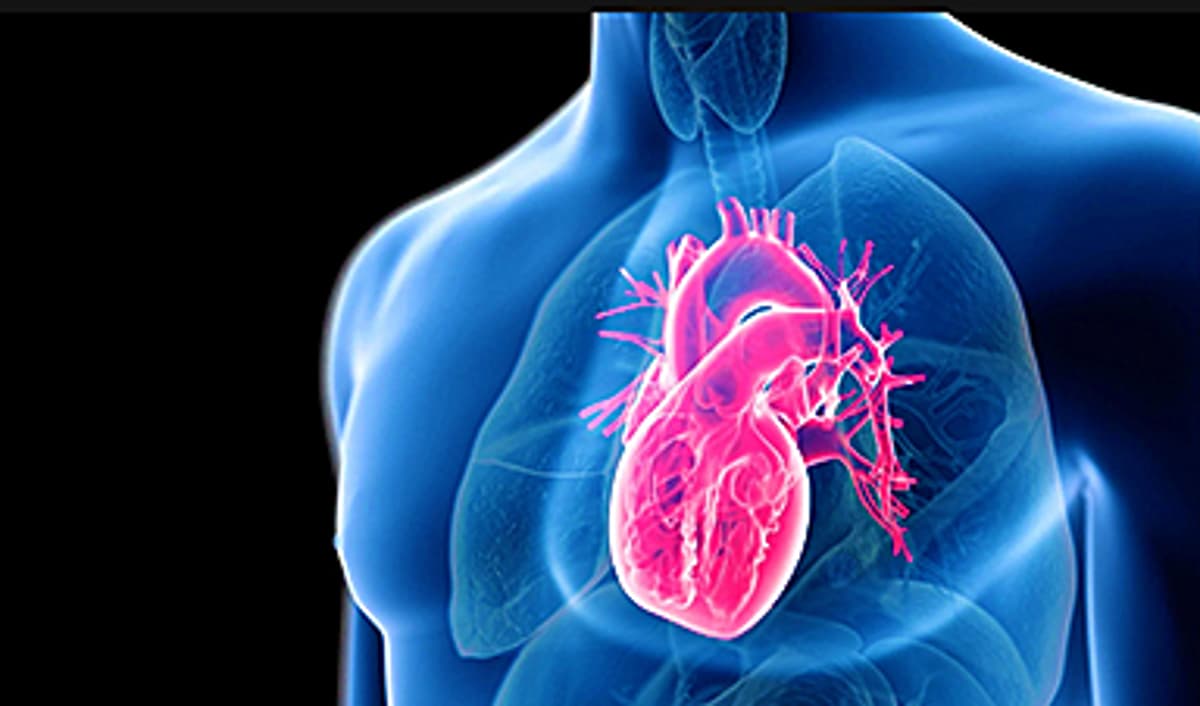
Scientists Say This Simple Supplement May Actually Reverse Heart Disease
Japanese researchers at Osaka University reported that the dietary supplement tricaprin markedly reduced arterial triglyceride deposits in two patients with triglyceride deposit cardiomyovasculopathy (TGCV), a rare, treatment‑resistant form of coronary artery disease. Imaging showed widened coronary lumens and decreased lipid volume within months, while standard cholesterol metrics remained unchanged. The study, published in the European Heart Journal, suggests a novel intracellular lipolysis pathway could complement existing cholesterol‑lowering strategies. Ongoing Phase IIa trials are evaluating a tricaprin formulation (CNT‑01) for broader clinical use.
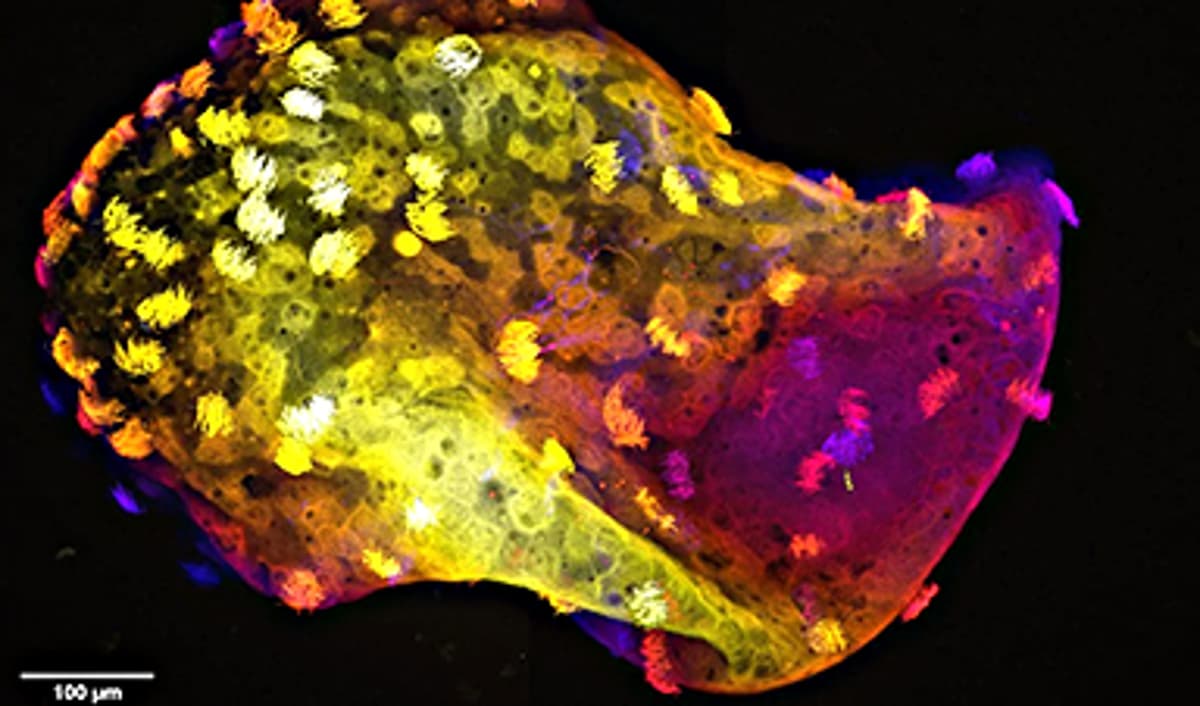
Scientists Create “Neurobots” – Living Machines With Their Own Nervous Systems
Scientists at Tufts University and the Wyss Institute have engineered "neurobots," a new class of living machines that combine frog‑derived xenobot bodies with self‑organizing neural networks. By inserting neural precursor cells into developing xenobots, the team created constructs that grow...

Novel Investment Paradigms for Regenerative Healthcare Ecosystems
The article outlines emerging investment models that aim to fund regenerative healthcare ecosystems, which prioritize prevention, longevity, and environmental sustainability. It highlights decentralized finance, tokenized assets, and blockchain as tools for transparent, multi‑stakeholder capital flows. Venture capital, private equity, blended...
Regenerative Healthcare by Design: Engineering Health-Centric Buildings and Urban Ecosystems
Regenerative health ecosystems are redefining healthcare by embedding health‑optimizing systems into buildings and cities. These health‑centric environments combine renewable energy, AI‑driven interior controls, and biophilic design to continuously support human physiology and cognition. A sophisticated engineering stack—physical AI, blockchain, autonomous...