
Richard Dawkins Discovers AI and Philosophy
Evolutionary biologist Richard Dawkins recently argued that the Claude chatbot may be conscious after it passed the Turing test. The author of the NeuroLogica blog counters that Dawkins misapplies the Turing test, lacks AI expertise, and fails to probe the underlying mechanisms of large language models. He emphasizes that LLMs are sophisticated autocomplete systems that mimic human language without understanding. The piece warns that such misinterpretations can inflate public expectations about AI.

Some Renewable Energy Updates
A new Nature study compares direct air capture (DAC) with wind and solar, finding that current and near‑term DAC technologies are less cost‑effective than renewable deployment across all U.S. regions. Only a massive breakthrough in DAC efficiency could make it...

Evolving AI
A new PNAS paper warns that AI systems capable of self‑directed evolution—termed evolvable AI (eAI)—could soon emerge from trends in generative and embodied AI. The authors differentiate breeder models, where humans guide mutation and selection, from ecological models that evolve...
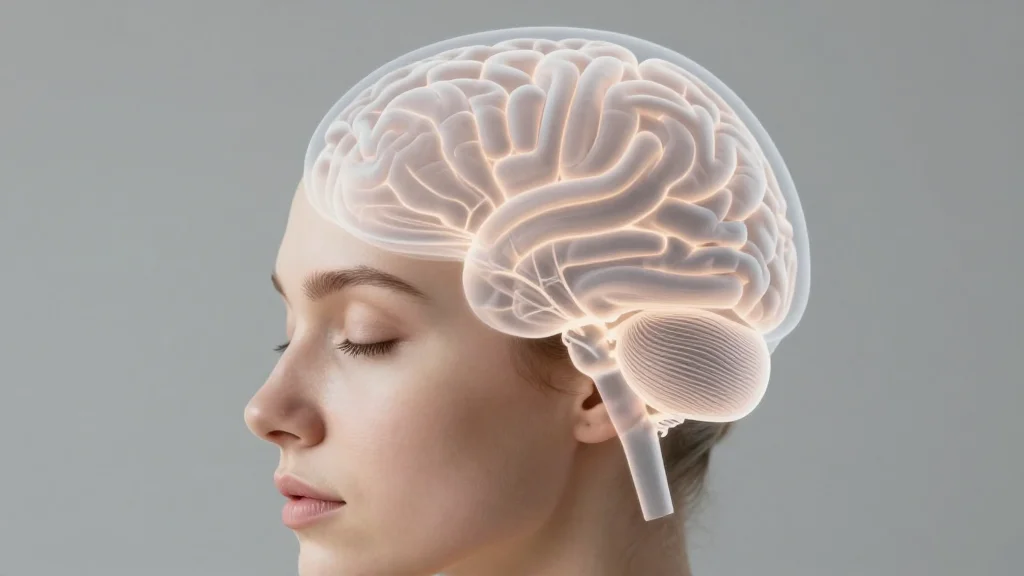
A Unique Case of Psychogenic Blindness and Multiple Personality
In 2007 a German woman with dissociative identity disorder developed psychogenic blindness that fluctuated with her personalities. Visual evoked potentials (VEPs) were normal when a personality could see and absent when a personality was blind, suggesting reversible cortical inhibition. The...

AI May Disrupt The Internet
Anthropic’s new AI coding tool Mythos can turn natural‑language prompts into functional software, putting code creation in the hands of non‑experts. The same system also excels at discovering and exploiting security flaws, prompting the company to warn that unchecked deployment...

Genetically Engineered Pets Are Coming
Genetic engineering, especially CRISPR, is moving beyond medicine and food into the pet market. U.S. regulators classify gene edits for pets as animal drugs, so companies must demonstrate safety for the animal and environment. Start‑up projects such as the Los...
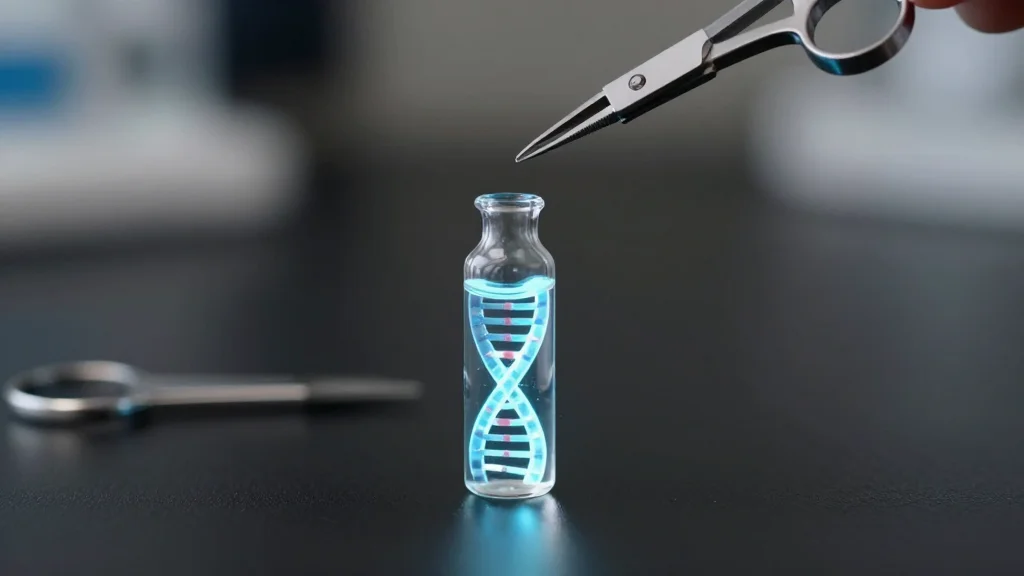
Are Genetically Engineered Humans Coming
CRISPR technology now makes germline editing of human embryos technically feasible, though current U.S. policy blocks federal funding and FDA approval. Private startups are exploring the market despite regulatory uncertainty, and some jurisdictions lack explicit bans. While disease‑preventing edits could...
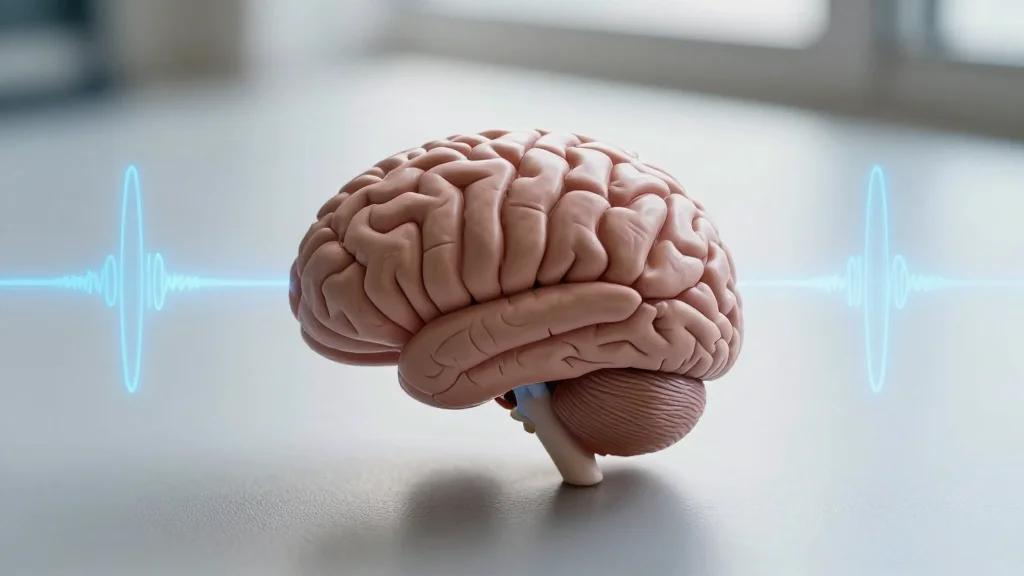
Brain As Receiver Is Still Wrong
A TikTok video promotes the outdated "brain as receiver" dualism, claiming thoughts originate from outside the brain. The creator offers no sources, echoing a broader trend of pseudoscientific content that thrives on the platform’s engagement‑centric algorithm. Neuroscience experts counter the...

What Happened to Comet 3I/Atlas
Interstellar comet 3I/Atlas, discovered by the Atlas telescope, traversed the inner solar system and is now exiting toward Jupiter’s orbit. NASA’s spectral analysis showed a tail rich in carbon dioxide, with water ice, CO, and trace cyanide and nickel—characteristics indistinguishable...

Improved Photosynthesis
Researchers identified a simple protein tail in hornworts, termed RbcS‑STAR, that causes Rubisco enzymes to cluster together, enhancing carbon‑concentrating potential. The STAR region was successfully transferred to Arabidopsis, demonstrating functional clumping in an unrelated model plant. This discovery offers a...