News•Mar 12, 2026
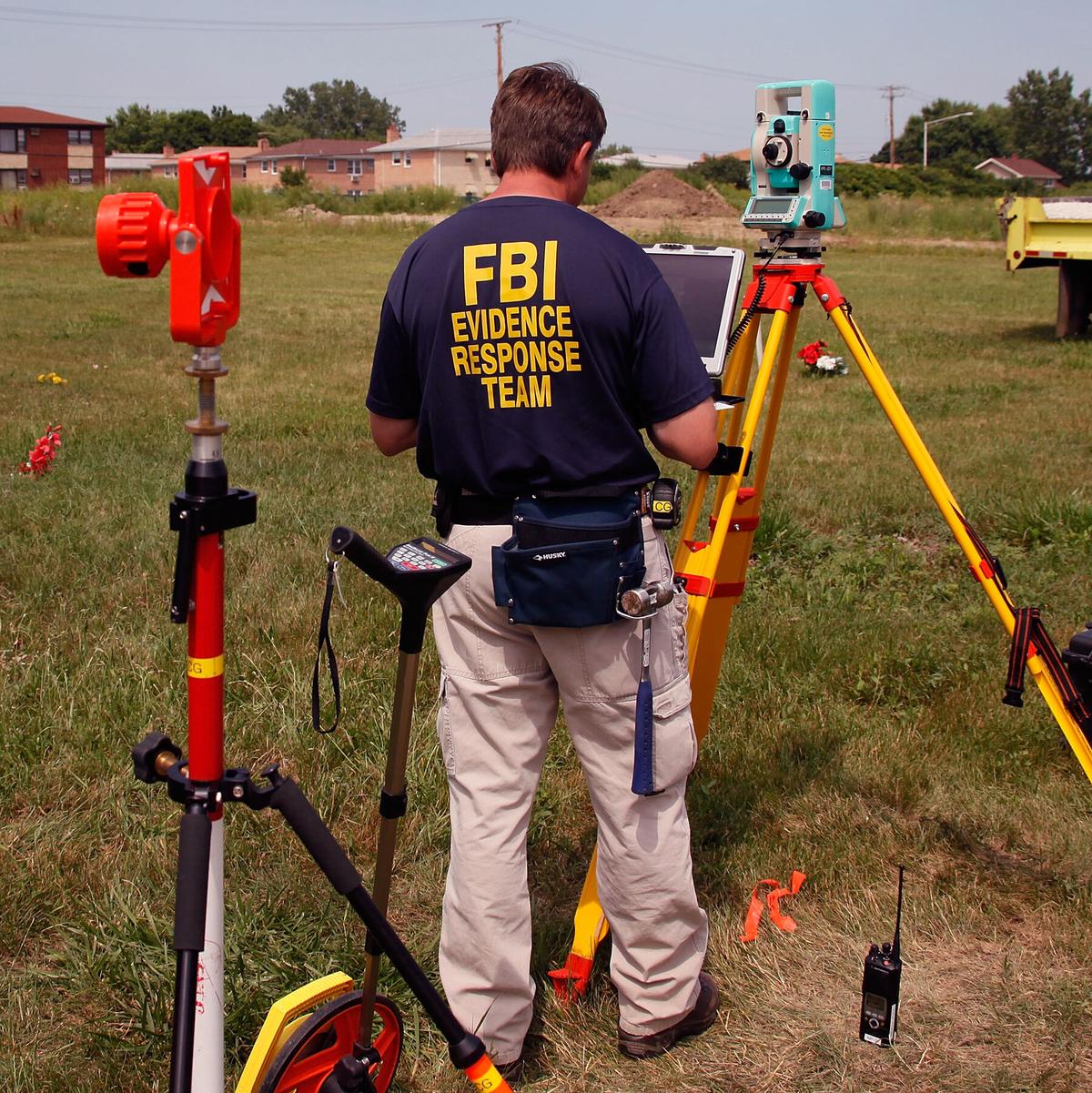
In Criminal Cases, Moss Is Often Underfoot and Overlooked
Scientists and law‑enforcement officials are highlighting moss as a forensic asset often ignored in crime scenes. In a 2025 Pennsylvania case, a forensic botanist used moss growth on a victim's clothing to estimate the remains had been in the woods for at least a year. The analysis underscores that plant material, which makes up the majority of Earth’s biomass, can provide critical post‑mortem timelines. Experts argue that broader adoption of moss evidence could enhance investigations and reduce reliance on traditional DNA or fingerprint methods.
By New York Times – Science

News•Mar 12, 2026
Her Lab Worked to Future-Proof Fruits and Vegetables
The Horticulture Innovation Lab, funded by USAID, focused on under‑funded fruit and vegetable research to improve nutrition for marginalized populations worldwide. It partnered with scientists across Africa, South Asia, and Central America, delivering soil guidance, climate‑adapted varieties, and low‑energy cooling...
By New York Times – Science

News•Mar 12, 2026
A Third of Americans Have Cut Spending or Borrowed Money for Health Care
A new West Health‑Gallup poll reveals that one‑third of Americans – about 82 million people – are cutting everyday expenses or borrowing money to afford health‑care. Health‑care costs now rank above food, gas and utilities as the nation’s top economic worry....
By New York Times – Science

News•Mar 11, 2026
Why Falling Cats Always Seem to Land on Their Feet
A new study published in *The Anatomical Record* reveals that cats’ upper thoracic spines can rotate up to 360 degrees, enabling rapid mid‑air reorientation. Researchers examined cadaver spines and performed controlled drop tests on live cats, finding the upper spine...
By New York Times – Science

News•Mar 11, 2026
Anthony J. Leggett Dies at 87; Won Nobel for Theories on Superfluids
Anthony J. Leggett, the 2003 Nobel laureate who explained the superfluid transition of helium‑3, died at age 87 in Urbana, Illinois. His theoretical work clarified why helium‑3 could become a frictionless quantum fluid, a phenomenon long thought impossible. Leggett’s insights...
By New York Times – Science
News•Mar 10, 2026
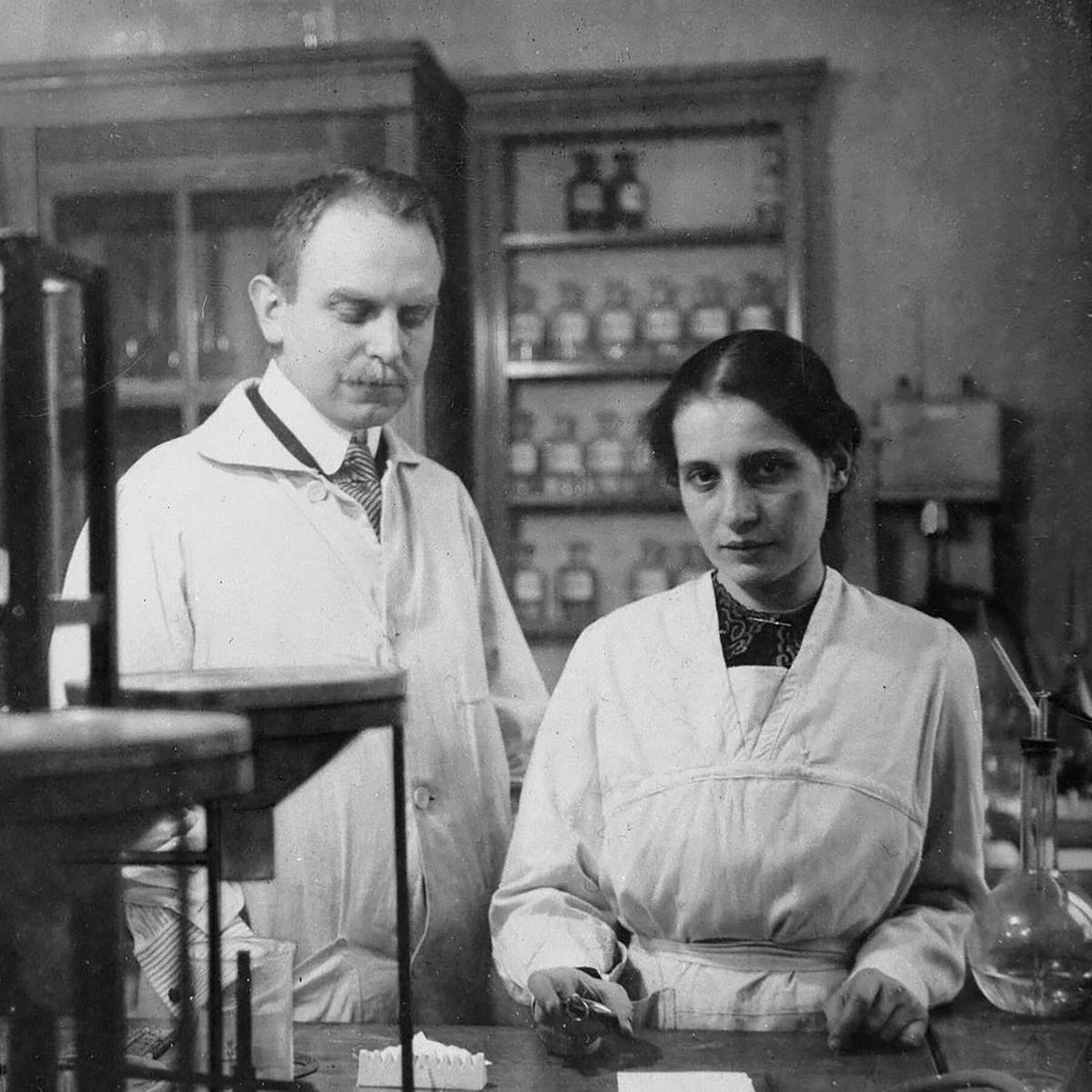
From 1968: Lise Meitner, Physicist, Is Dead at 89; Paved Way for Splitting of Atom
The New York Times republished the 1968 obituary of Austrian‑born physicist Lise Meitner, who died at 89. Meitner calculated the massive energy released when uranium atoms split, laying the theoretical foundation for the atomic bomb and modern nuclear power. For three decades she...
By New York Times – Science