Recent Posts

News•Feb 13, 2026
Researchers Achieve the First Minimally Invasive Coronary Artery Bypass
Researchers at NIH and Emory have performed the world’s first minimally invasive coronary artery bypass, called VECTOR, without opening the chest. The technique reroutes blood flow by creating a new coronary ostium using catheter‑based tools introduced through the femoral vessels. In a 67‑year‑old high‑risk patient, the procedure eliminated the risk of coronary obstruction after valve replacement, and six‑month imaging showed a patent bypass. The authors suggest VECTOR could expand to other cases where stents or surgery are unsuitable.
By NIH – News Releases

News•Feb 13, 2026
A Fresh Energy Supply May Shield Nerves From Diabetic or Chemo-Induced Neuropathy
Researchers funded by the NIH discovered that satellite glial cells (SGCs) deliver mitochondria to sensory neurons through tunneling nanotubes, a process essential for neuronal energy supply. In mouse models of diabetes and chemotherapy‑induced neuropathy, this mitochondrial transfer is impaired, leading...
By NIH – News Releases

News•Feb 13, 2026
Cognitive Speed Training over Weeks May Delay the Diagnosis of Dementia over Decades
A 20‑year NIH‑funded study of adults 65+ found that a brief, adaptive visual speed‑training regimen reduced Alzheimer’s and related dementia diagnoses by about 25% compared with memory or reasoning training. Participants completed 60‑75‑minute sessions twice weekly for five to six...
By NIH – News Releases

News•Feb 13, 2026
NIH Scientists Develop "Digital Twin" Of Eye Cells to Understand and Treat Age-Related Macular Degeneration
NIH researchers have built the first subcellular‑resolution digital twin of human retinal pigment epithelial (RPE) cells, using 3‑D imaging of 1.3 million cells and an AI algorithm called POLARIS. The model maps polarity, organelle size and volume across developmental stages, creating...
By NIH – News Releases
News•Feb 13, 2026
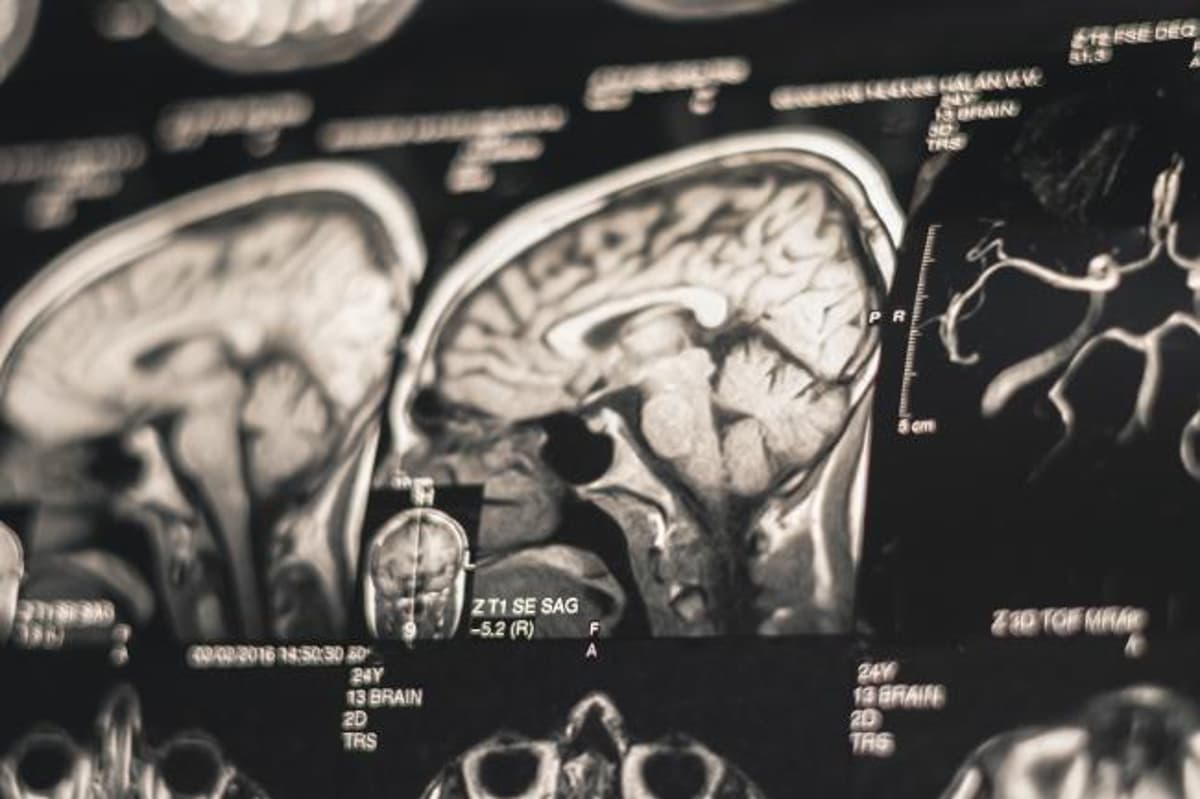
NIH-Funded Study Clearly Ties Risk of Dementia to Severe CTE
A new NIH‑funded study provides the strongest evidence linking severe chronic traumatic encephalopathy (CTE) to dementia risk. Analyzing 614 donated brains without Alzheimer’s or other common neurodegenerative diseases, researchers found stage IV CTE patients were 4.5 times more likely to have...
By NIH – News Releases

News•Feb 13, 2026
NIH Halts Arm of Clinical Trial Evaluating a Potential Stroke Treatment
The National Institutes of Health halted the low‑dose rivaroxaban arm of the CAPTIVA trial after the Data Safety and Monitoring Board identified a rise in adverse events and concluded the treatment was unlikely to be beneficial. CAPTIVA, a double‑blind, three‑arm...
By NIH – News Releases

News•Feb 13, 2026
NIH Opens East Palestine Health Research Office to Study Train Disaster
The National Institutes of Health has inaugurated the East Palestine Health Research Program Office, a five‑year, $10 million initiative to study the long‑term health impacts of the 2023 train derailment in Ohio. The office will coordinate community‑focused studies, enroll residents in...
By NIH – News Releases

News•Feb 13, 2026
NIH Proposes Embryonic Stem Cell Research Shift to Put Patients First
The National Institutes of Health announced a Request for Information aimed at identifying biotechnologies that can replace human embryonic stem cells (hESCs) in research. NIH is temporarily pausing the review and approval of new hESC lines, leaving the existing 503...
By NIH – News Releases