
How to Boost Your Longevity Hormone
FGF21, discovered in 2000, has emerged as a potent metabolic hormone that can slash body fat in monkeys by 27% and extend mouse lifespan by up to 40% without reducing food intake. Pharmaceutical firms are racing to create long‑acting FGF21 analogs after early trials showed a 10‑pound loss in 25 days and sharp lipid improvements. However, native FGF21 degrades quickly, requiring frequent injections, and side‑effects have surfaced in clinical studies. Meanwhile, human research shows resistance training boosts endogenous FGF21 42%, while a ten‑day fast is needed to trigger a meaningful hormonal surge.

Could Bovine Leukemia Virus Be a Cause of Breast Cancer?
Recent research suggests that exposure to bovine leukemia virus (BLV) may account for up to 37% of breast cancer cases. The virus, now present in more than 94% of U.S. dairy herds—a rise from roughly 10% several decades ago—has been...

NDMA: A Cancer-Causing Contaminant in Meds and Meat
The FDA has identified the probable carcinogen N‑nitrosodimethylamine (NDMA) in several high‑volume drugs—including valsartan, Zantac (ranitidine) and certain metformin formulations—prompting recalls and market withdrawals. NDMA exposure limits are set at 96 nanograms per day, yet a half‑chicken breast cooked by...

Peeling Back the Onion Claims
Randomized controlled trials reveal that onions do not increase testosterone in men, but they may modestly improve bone density in older women and lower insulin resistance in breast‑cancer patients undergoing doxorubicin chemotherapy. Antioxidant‑rich outer layers are often discarded, yet clinical...

Do Vitamin C Supplements Help Reduce Anxiety?
Recent research offers mixed evidence on vitamin C’s role in easing anxiety. A double‑blind trial gave high‑school students 500 mg of vitamin C daily—roughly the amount in five oranges—and observed reduced anxiety and lower heart rate within two weeks. Another study reported an...

Prunes: Nature’s Answer to Constipation
Constipation drives three million U.S. doctor visits annually, prompting interest in non‑pharmacologic remedies. Recent randomized trials show that consuming eight to twelve prunes daily, alongside adequate water, significantly boosts stool bulk and bowel‑movement frequency, matching or surpassing the effects of...

Glycidol: The DNA-Damager in Fried Foods
Recent research highlights glycidol, a genotoxic carcinogen generated when vegetable oils are refined for frying, as a hidden risk in fried foods. Average daily exposure in the U.S. may exceed 50 micrograms, far above the estimated safe level of less...
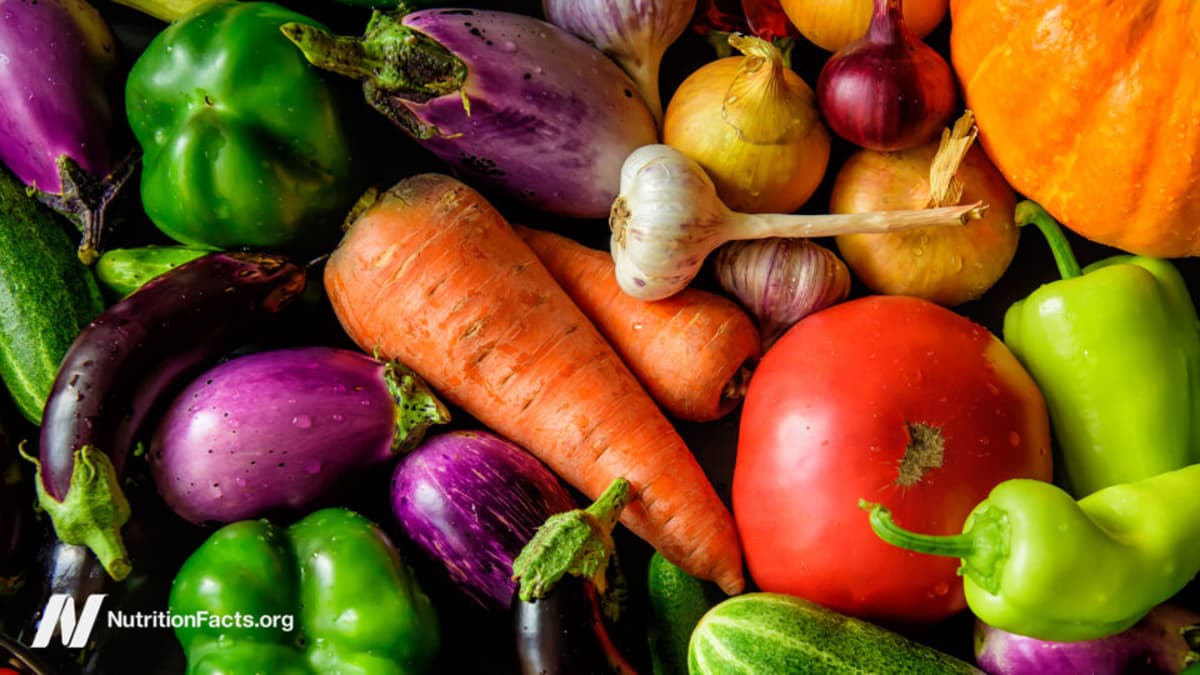
Fighting Cancer with Whole Plant Foods
The article argues that whole plant foods, not pharmaceuticals, are the most effective foundation for cancer prevention. It highlights the long latency of epithelial cancers and the ten hallmarks that drive tumor growth. Plant-derived bioactive compounds can simultaneously target multiple...

What Does Personalized Nutrition Actually Deliver?
Personalized nutrition has surged in popularity, fueled by consumer genetics kits and promises of 3D‑printed custom foods. While genuine differences exist for allergies, intolerances, and certain metabolic traits, scientific studies show genetic variants explain only a few percent of nutrient...