
Why Mindfulness Begins with Noticing, and How That Leads to Real Change
Mindfulness teacher Victoria Fontana explains that the practice begins with simply noticing thoughts, sensations, and emotions, rather than trying to change them. By training attention, practitioners develop four layers of awareness—body, feelings, mind, and underlying patterns—allowing them to observe reactions without immediate reactivity. This non‑judgmental observation softens harshness, reveals recurring mental loops, and creates space for intentional, skillful responses. The approach reframes stress as a product of perception, not reality, enabling sustainable personal change.
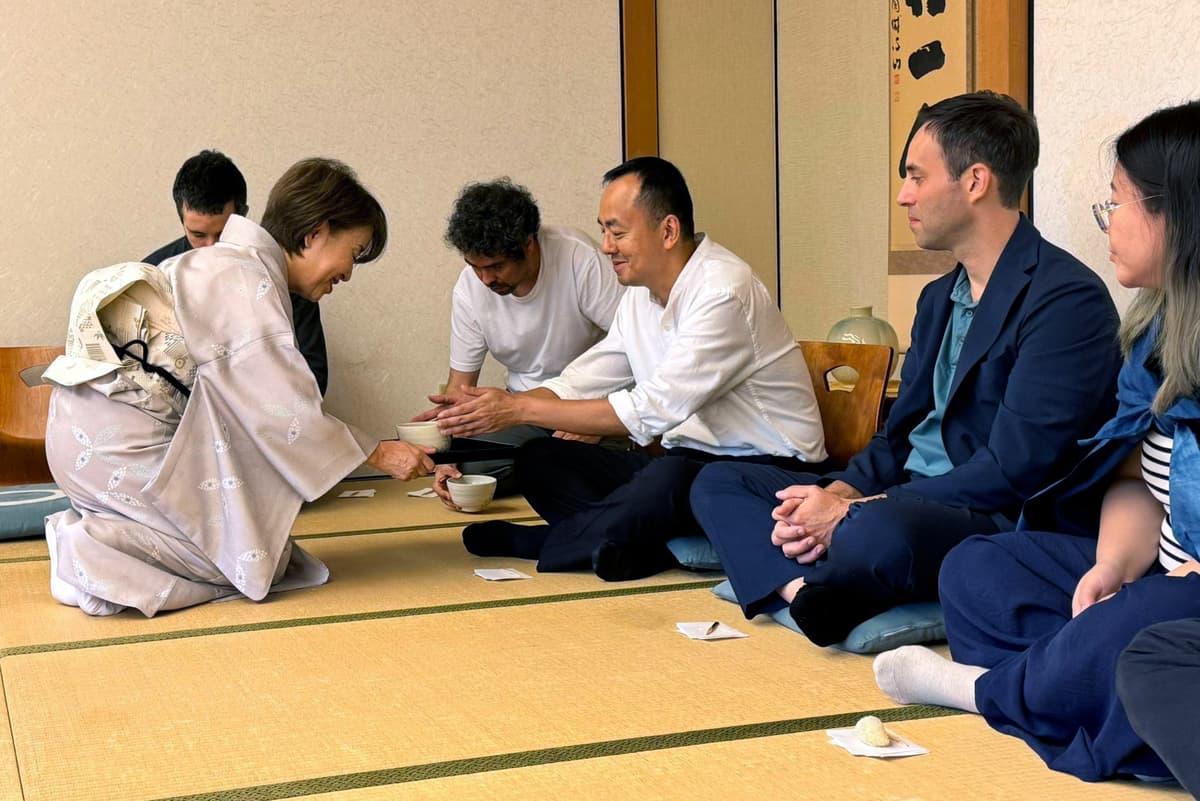
“Mindfulness Did Not Make Me Slower. It Made Me Clearer”
Stanley Ng, founder of Mindful Circle and a management‑consulting executive, credits mindfulness for improving his decision‑making and leadership under pressure. He describes how brief breath‑focused practice creates a mental pause that lets him detect narrowing perspective, stay open, and respond...

Does Mindfulness Make You a Pushover?
Oxford Mindfulness director Claire Kelly challenges the notion that mindfulness creates passivity, arguing it actually fosters clearer, more deliberate action. Systematic studies of MBCT and MBSR show participants gain better emotional regulation, reduced stress, and sharper decision‑making. Kelly emphasizes that...

What Does Evidence-Based Mindfulness Mean in Healthcare?
Healthcare leaders worldwide are increasingly exploring mindfulness to improve staff well‑being and patient care. Oxford Mindfulness emphasizes that evidence‑based approaches, such as Mindfulness‑Based Cognitive Therapy (MBCT), differ markedly from generic apps or short courses. Robust research shows moderate reductions in...