
How Much Community Outreach Does the Urban Institute Think Italy and Turkey Do?
The Urban Institute released a brief claiming the United States’ transit projects suffer from inefficient community outreach and should engage citizens earlier. The authors cite Italy and Turkey as models of effective early engagement, but the critique argues those countries actually rely on top‑down decision‑making and limited public voice. The brief also mixes unrelated solutions—such as contract transparency and higher contingency budgets—into its outreach agenda. The author contends that the real fix is to curb, not expand, community involvement to reduce delays and cost overruns.
Learning From Many Places Is Better than Learning From One
Seattle’s Ballard light‑rail extension is spiraling toward $2 billion per kilometer, prompting officials to hunt for cost‑saving tricks. Former SDOT chief Scott Kubly suggests shrinking station platforms by copying Copenhagen’s driverless, short‑train model, but the article argues that Copenhagen’s low costs...
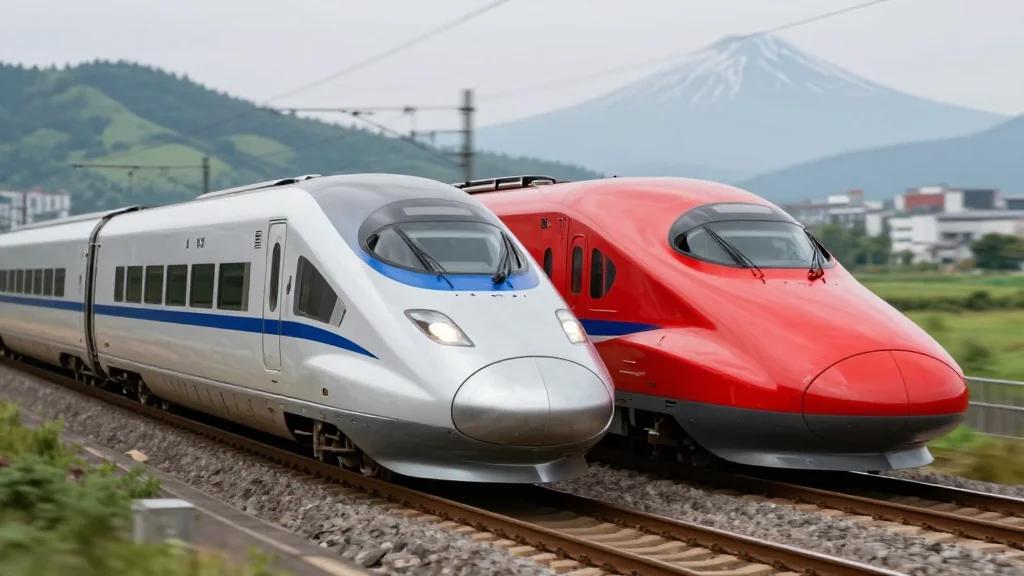
Why High Speed 2 and Other European Lines Make Fewer Stops than the Shinkansen
The article explains why Britain’s High Speed 2 (HS2) and many European high‑speed lines run nonstop between major hubs, while Japan’s Shinkansen inserts several intermediate stops. European classical railways already achieve speeds around 130 km/h, reducing the need for local high‑speed service....
EU, Germany to Accelerate Rail Investment in Response to Iran War
The German government and the EU unveiled a massive rail investment package in response to the Iran‑induced oil supply shock after the closure of the Strait of Hormuz. Germany will allocate about €100 billion (≈$109 billion) for urban, regional and intercity rail,...

Quick Note: Commuter Rail and Urban Bus Hubs
The article proposes integrating bus hubs with commuter‑rail stations in urban Queens, shifting from a rail‑first to a two‑way planning model. It examines trade‑offs such as stop spacing, arterial intersections, and the potential to replace parallel bus routes with infill...
Against Land Value Capture
The article argues that land‑value capture (LVC) is a flawed way to fund transit projects, citing its opacity and tendency to favor high‑value real‑estate developments. It points to New York’s tax‑increment financing for the 7 line and Hong Kong’s MTR...