
Recent Posts

News•Feb 27, 2026
Weekly Wrap: Resilience Is the New Spectrum Policy Buzzword
The EU’s Digital Networks Act (DNA) is being positioned as a cornerstone for simplifying telecom regulations and reducing market fragmentation across member states. At the Future Connectivity Summit, regulators emphasized the Act’s role in fostering spectrum coherence while also highlighting the rising priority of network resilience and crisis coordination. Dual‑use technologies such as GPS and drones were flagged for their security implications, and satellite coordination challenges were noted despite Europe’s unique satellite market position. The discussion underscored the tension between heavy 5G investment and lagging demand, setting the stage for future 6G planning.
By PolicyTracker blog

News•Feb 24, 2026
Sustainable Spectrum Policy Dossier Updated for 2026
The Sustainable Spectrum Policy dossier has been refreshed for 2026, adding a new research note on space sustainability. It highlights the ESA Zero Debris Charter’s net‑zero target for 2030, the APRSAF “Nagoya Vision” on responsible space use, and IADC’s global...
By PolicyTracker blog

News•Feb 20, 2026
Weekly Wrap: Why I Think Indefinite Spectrum Licences Are a Bad Idea
The European Commission’s Digital Networks Act proposes spectrum licences of up to 40 years, or even indefinite duration, a sharp increase from the current 15‑25‑year norm. Mobile operators back the change, arguing it offers long‑term certainty for investment. Critics contend...
By PolicyTracker blog
News•Feb 16, 2026
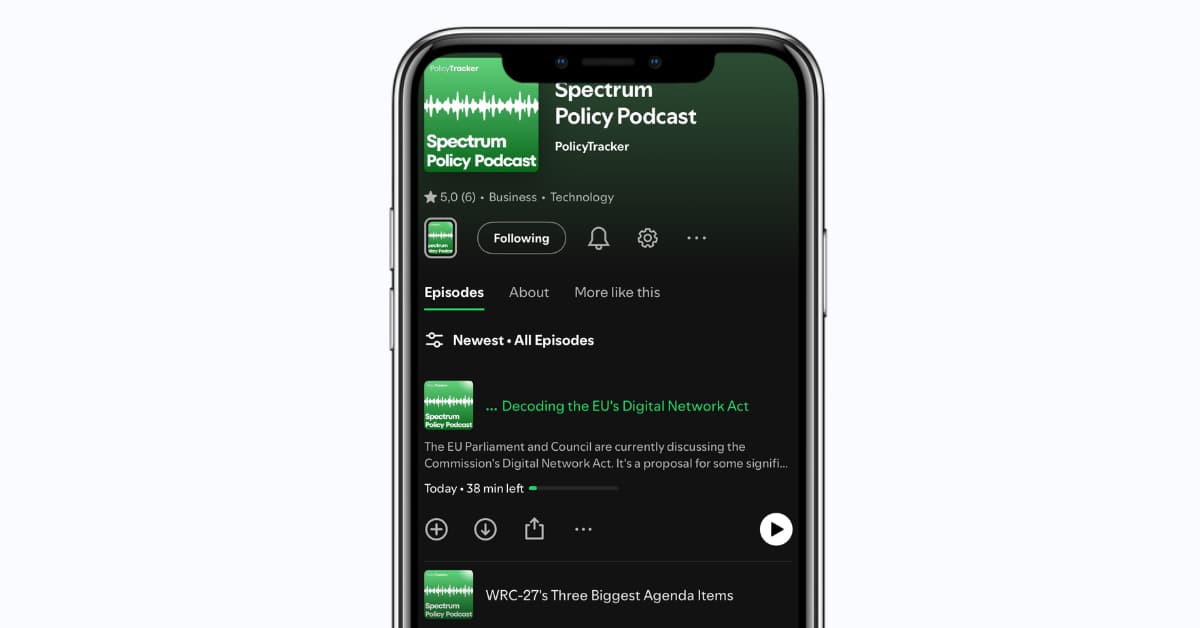
Podcast: Decoding the Commission’s Digital Networks Act
The European Commission has released a draft Digital Networks Act, aiming to replace fragmented national telecom rules with a unified market framework. The legislation targets spectrum harmonisation and introduces perpetual licences to reduce regulatory uncertainty. By standardising rules, the EU...
By PolicyTracker blog
News•Feb 10, 2026
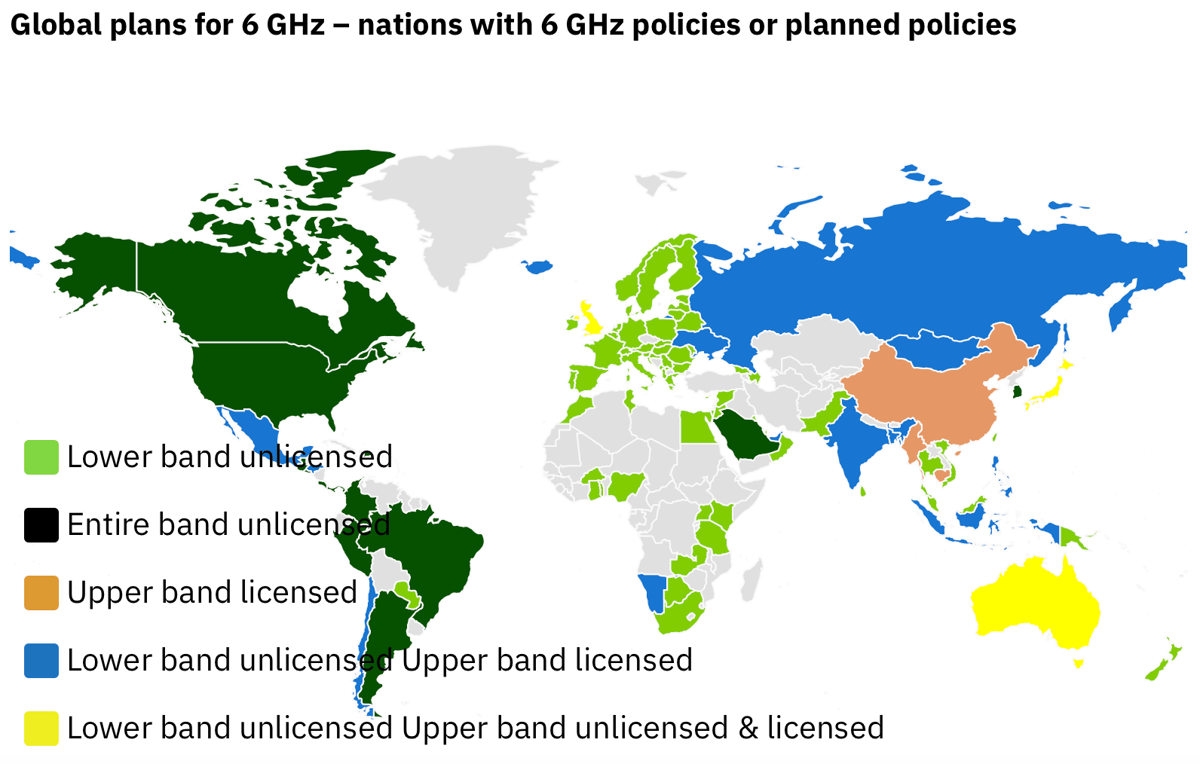
6 GHz Benchmark Updated for 2026
Two years after the WRC‑23 decision to approve three IMT footnotes in the 6 GHz band, the updated 2026 benchmark shows 22 nations moving toward licensed use of the upper 6 GHz spectrum. Asia leads with 12 countries, including China, actively consulting...
By PolicyTracker blog