
News•Mar 5, 2026
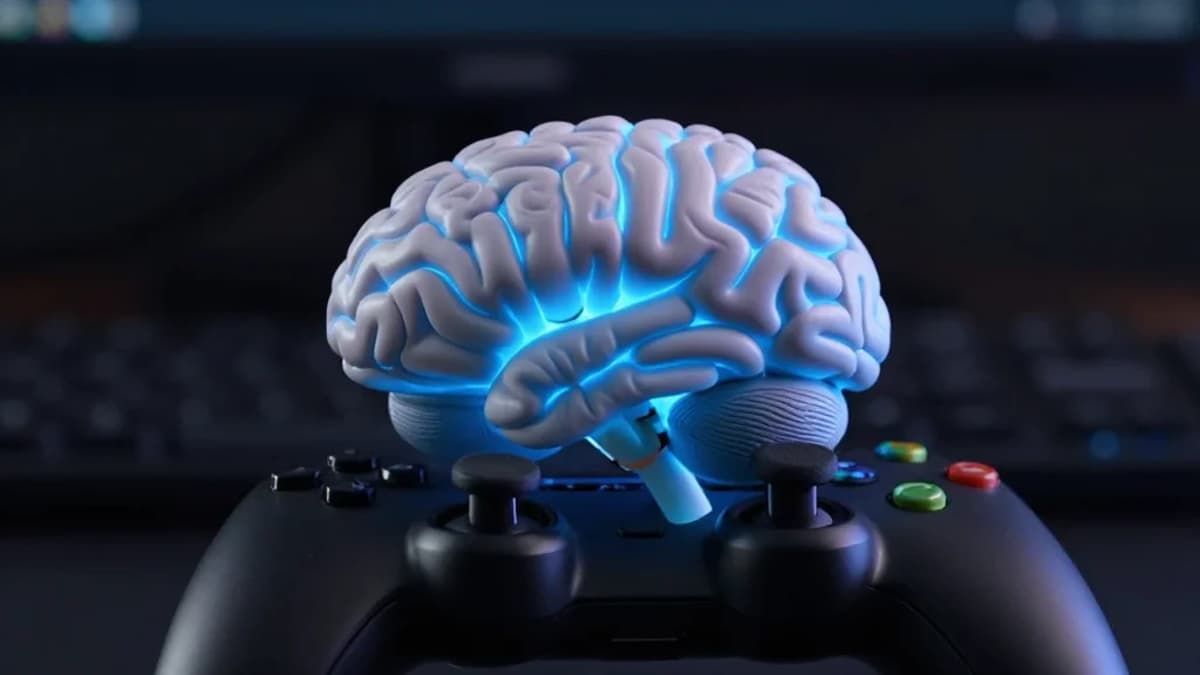
These Video Games Promote Childlike Wonder, Boost Happiness & Cut Burnout Risk (M)
Psychologist Jeremy Dean argues that mainstream video games act as daily resilience tools, fostering childlike wonder and elevating happiness. He cites research showing that colorful, low‑stakes games trigger dopamine release and reduce perceived stress. Regular, short gaming sessions can lower burnout risk by reinforcing emotional regulation. Dean suggests businesses consider structured play as a low‑cost wellbeing intervention.
By PsyBlog
News•Mar 5, 2026
2 Video Games Linked To High Intelligence
A 2017 PLOS ONE study found that performance in the multiplayer online battle arena (MOBA) games League of Legends and DOTA 2 strongly correlates with traditional IQ test scores. Researchers observed that players’ strategic abilities improve with age, while proficiency in...
By PsyBlog

News•Mar 5, 2026
These Blood Pressure Meds Fight Memory Loss
Almost half of U.S. adults have hypertension, a known risk factor for cognitive decline. A systematic review of 14 studies involving roughly 13,000 participants found that ACE inhibitors and angiotensin‑receptor blockers (ARBs) reduce the risk of mild cognitive impairment by...
By PsyBlog

News•Mar 5, 2026
2 Personality Traits That Indicate High IQ
Research published in *Personality and Individual Differences* finds that openness to experience, emotional stability, and introversion are linked to higher crystallized intelligence, measured through general‑knowledge tests. In a sample of 201 UK university students, those scoring higher on these traits...
By PsyBlog

News•Mar 4, 2026
The Surprising Power Of Doubting Your Doubts For Boosting Confidence (M)
The article explores how deliberately questioning one’s own doubts can paradoxically boost confidence. By turning self‑skepticism into a reflective tool, readers learn to engage more deeply with personal goals. The technique leverages cognitive reappraisal to transform uncertainty into motivation, offering...
By PsyBlog

News•Mar 3, 2026
How To Train Young Minds To Live With Uncertainty (M)
A single, 90‑minute online session designed for adolescents dramatically improved their ability to tolerate uncertainty, according to a recent study. The program combined mindfulness exercises, cognitive‑reframing techniques, and interactive scenarios that simulated ambiguous situations. Participants reported lower anxiety scores and...
By PsyBlog