
News•Mar 9, 2026
How Crises Teach Us to Live and Why Ignoring Them Costs Us
Author Aigerim Alpysbekova recounts a near‑fatal traffic incident that sparked a period of personal crisis, leading her to adopt daily meditation and deep self‑reflection. She describes how confronting abuse, health scares, and a pending divorce forced her to listen to internal signals rather than external distractions. The narrative argues that crises act as wake‑up calls, prompting individuals to reassess relationships, careers, and life purpose. Ignoring these signals, she warns, can result in escalating loss of health, identity, and opportunity.
By Psychology Today (site-wide)

News•Mar 9, 2026
The Psychology of Aerial Bombardment
A Dartmouth study of 23,000 U.S. air operations in Afghanistan (2006‑2011) finds that both lethal strikes and non‑lethal shows of force trigger a surge in Taliban attacks, lasting at least 120 days. The research introduces a reputational‑psychology theory: insurgents retaliate...
By Psychology Today (site-wide)

News•Mar 8, 2026
Denial of Brain: How Therapy Can Struggle With Neuroscience
The article argues that many therapists either dismiss neuroscience or weaponize it, creating a "brain denial" that hampers effective treatment. Recent advances in neuromodulation—such as TMS, tDCS, and focused ultrasound—demonstrate that directly altering brain networks can produce rapid, measurable improvements...
By Psychology Today (site-wide)

News•Mar 8, 2026
When AI Offers More Wisdom Than Humans
Therapist Marianne Brandon warns that AI chatbots are increasingly providing more patient and empathetic interactions than many humans, especially for teenagers seeking companionship. Studies show roughly half of adolescents have used AI for emotional support, with a third rating these...
By Psychology Today (site-wide)

News•Mar 8, 2026
The Action Potential of Achievement
The article argues that self‑reflection and self‑directed learning are fundamental drivers of personal and societal advancement. It draws on historical philosophers and modern cognitive research to show how disciplined inquiry builds critical‑thinking, metacognition and higher‑order reasoning. Early literacy and structured...
By Psychology Today (site-wide)

News•Mar 8, 2026
What Your Childhood Bedroom Can Teach You About Purpose
Jordan Grumet, M.D. argues that purpose isn’t discovered but built, and that childhood interests act as "purpose anchors" that guide us toward meaningful engagement. He explains how the flow state children experience reveals a process‑oriented, little‑p purpose that contrasts with...
By Psychology Today (site-wide)

News•Mar 8, 2026
When AI Gets a Body
The open‑source OpenClaw project has shown that affordable edge‑computing hardware can run a fully local AI agent to control a robotic arm, moving AI from cloud‑based text generation to embodied physical interaction. By swapping traditional RGB cameras for depth sensors...
By Psychology Today (site-wide)
News•Mar 7, 2026
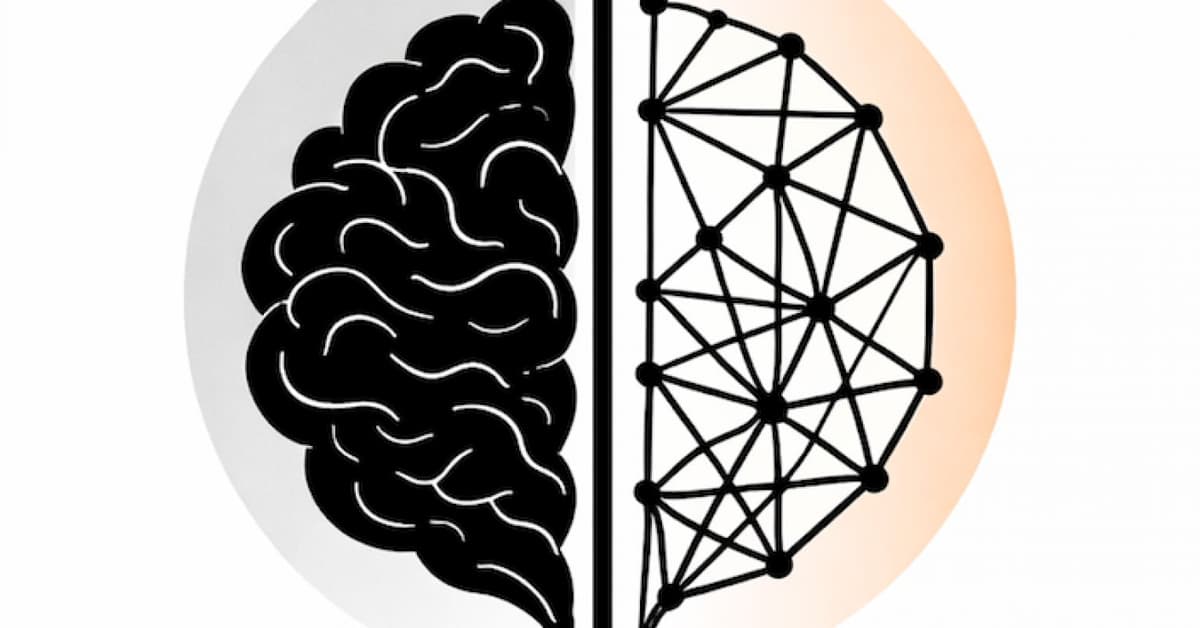
Anti-Intelligence: When Language Operates Without a Mind
John Nosta introduces “anti‑intelligence” to describe language produced by large language models that lacks the memory, experience, or stakes of a human mind. He argues the real shift is not smarter AI but a structural inversion where language operates without...
By Psychology Today (site-wide)

News•Mar 7, 2026
Why Too Much Stress Makes Us All Regress
Prolonged, high‑intensity stress shuts down the prefrontal cortex, limiting reasoning and empathy. This neurological regression spreads socially, creating a feedback loop of dysregulation that fuels conflict across families, workplaces, and nations. The article outlines how simple physiological tools—breathing, cold exposure,...
By Psychology Today (site-wide)

News•Mar 7, 2026
Why You Care If I Think You Matter
Rebecca Newberger Goldstein’s new book, *The Mattering Instinct*, expands a four‑decade philosophical inquiry into why humans crave to matter. Drawing on her earlier "matter‑map" concept, the work blends philosophy, psychology, and behavioral economics to explain the instinct for personal attention...
By Psychology Today (site-wide)