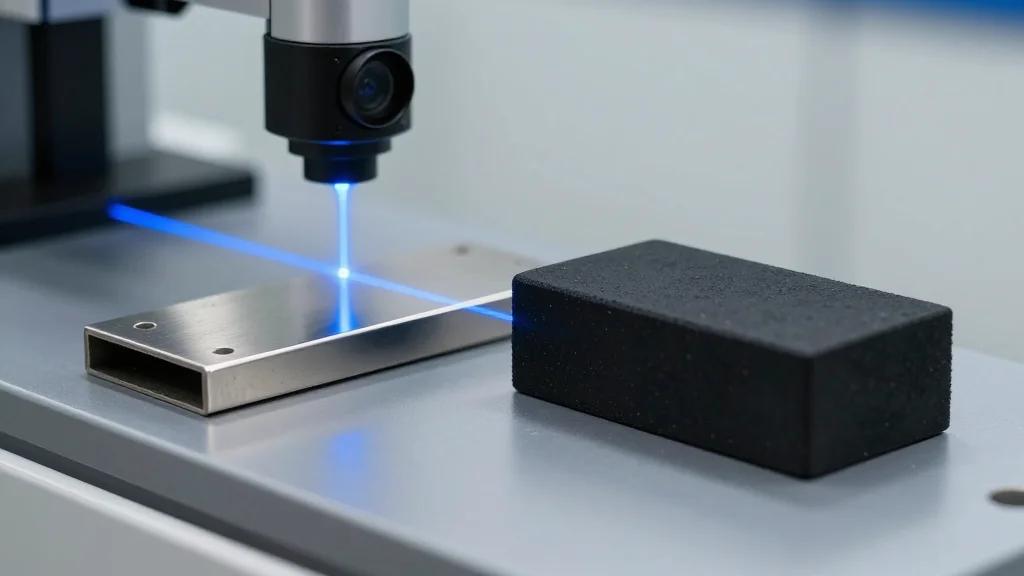
Designing Inspection Systems for Challenging Surfaces
Manufacturers are turning to full in‑line optical inspection to cut scrap and boost traceability, but reflective metals, black rubbers, translucent plastics, and hot steel still cause erratic readings. The article explains how light‑material interaction—absorption, reflection, scattering—drives sensor performance and why wavelength choice matters. Blue laser sources (405‑450 nm) reduce surface penetration, speckle and saturation compared with traditional red lasers (≈650 nm). Combining the right wavelength with proper mounting, filters and sensor type yields reliable measurements on even the toughest surfaces.

What Should You Consider When Choosing a Ring Light for Optical Inspection and Quality Control with Digital Microscopes?
Lighting is the linchpin of optical inspection with 4K digital microscopes, and a professional ring light supplies the brightness needed for sharp, low‑noise images without increasing camera gain. Sufficient illumination lets users narrow the aperture for greater depth of field...

Inspection Equipment Trends Rebound as Machinery Orders Surge in 2025
U.S. metalworking machinery orders rebounded in 2025, reaching $5.74 billion—a 22.5% increase over 2024—and added roughly 1,700 units, up 8.5%. While overall machinery spending recovered, inspection equipment displayed a persistent value‑unit divergence, with prices climbing even as unit orders fell. 2025...

Illumination Strategies for Reliable Defect Detection in High-Speed Quality Inspection
High‑speed conveyor inspection hinges on illumination as much as camera technology. Conventional lighting often lacks the intensity needed, resulting in shadows, motion blur, and inconsistent image quality. Ultra‑bright LED bar lights and precision‑synchronised strobe systems provide short, intense pulses that...

Force Testing Adapts to Smaller, Smarter, and More Connected Products
Force testing is shifting from a simple verification step to an integrated, data‑driven function as products become smaller, more complex, and digitally connected. Manufacturers now demand low‑force, high‑precision sensors, semi‑automated test sequences, and software that standardizes methods across multiple labs....

When Test Results Can’t Be Trusted: Solving Repeatability and Measurement Drift
Laboratories often assume test repeatability, yet subtle shifts in equipment, operators, and environment cause measurement drift that goes unnoticed until costly failures emerge. In paint labs, consistent pass results mask growing variability, leading to rework, delayed product launches, and regulatory...
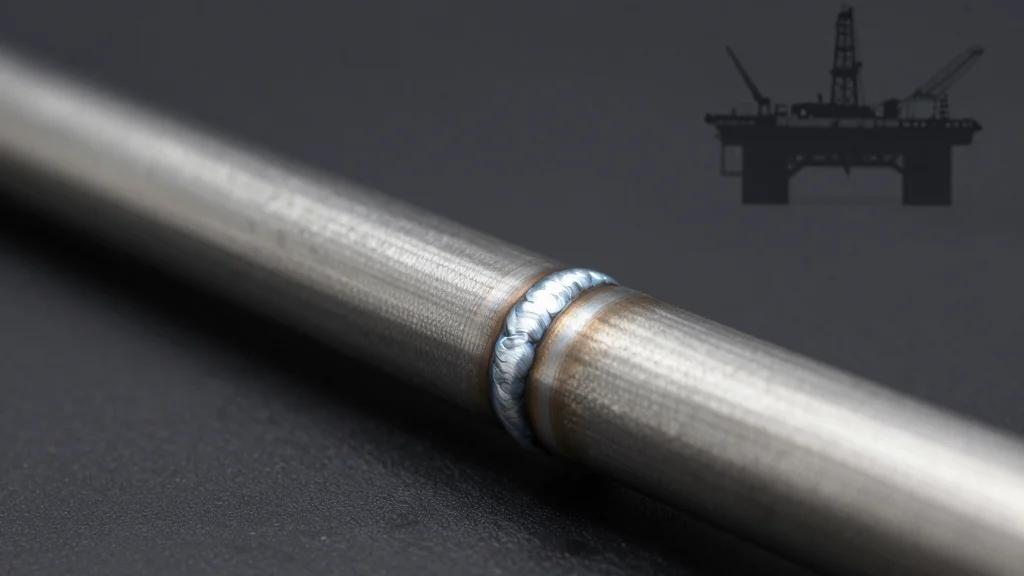
A Safer, Smarter Approach to Weld Inspection: Why Advanced Ultrasonic Testing Is Redefining Industry Standards
Advanced ultrasonic testing is overtaking radiographic methods for weld inspection in oil and gas, driven by safety, speed, and data demands. Technologies such as PAUT, TOFD, and the newer Plane Wave Imaging combined with Total Focusing Method deliver radiography‑grade image...