
Recent Posts

News•Mar 2, 2026
Radiology Artificial Intelligence Firm Asks FDA to Exempt Certain Devices From Premarket Review
Harrison.ai filed a citizen petition asking the FDA to grant optional pre‑market exemption for radiology computer‑aided detection (CAD) devices, allowing manufacturers with an existing cleared product to launch similar tools without a new 510(k). The agency must issue a rapid final order, and the proposal would replace traditional review with post‑market performance monitoring and mandatory training for users. The petition has drawn sharp criticism from the RSNA, patient groups, and some AI vendors who warn of safety risks, while other vendors such as Lunit and Quibim back the move for faster innovation and lower costs. A decision is expected within months.
By Radiology Business

News•Mar 2, 2026
Nuclear Medicine Firm Shine Technologies Raises $240M
Shine Technologies announced a $240 million financing round led by Patrick Soon‑Shiong’s NantWorks, bringing its total capital raised to over $1 billion. The infusion will accelerate the company’s commercial fusion initiatives and expand its Lu‑177 isotope production, a cornerstone of targeted cancer...
By Radiology Business

News•Feb 27, 2026
American College of Radiology Urges HHS to Address ‘Unsustainable’ AI Payment Policy
The American College of Radiology (ACR) has urged the Department of Health and Human Services (HHS) to overhaul its AI reimbursement framework, labeling the current policy unsustainable. In a February 19 letter, ACR highlighted that without payment models tied to...
By Radiology Business

News•Feb 27, 2026
RadNet Earns European Certification for Solution that Allows Technologists to Control Scanners Remotely
RadNet’s TechLive remote‑scanning platform earned European CE certification, extending its vendor‑agnostic, multimodality control to EU hospitals. The solution, already cleared in the U.S., lets technologists operate MR, CT, PET/CT and ultrasound machines from off‑site consoles. RadNet reports a 42% drop...
By Radiology Business

News•Feb 25, 2026
Radiopharmaceutical Targeted Toward Treatment-Resistant Cancer Put on FDA's Fast Track
Aktis Oncology announced that its investigational radiopharmaceutical AKY-1189 has earned FDA Fast Track designation. The drug targets Nectin‑4, present in 80‑90 % of urothelial cancers, and delivers the alpha‑emitter actinium‑225 directly to tumors. AKY-1189 is in a Phase 1b trial covering urothelial,...
By Radiology Business
News•Feb 24, 2026
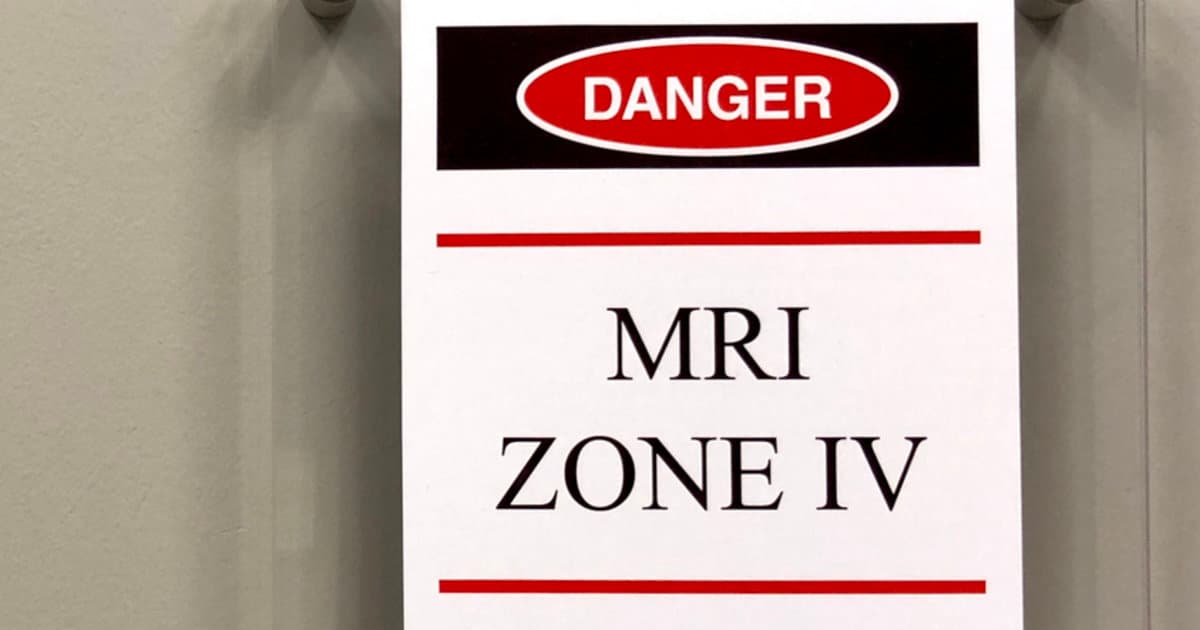
MRI Safety Guidelines May Fall Short for Patients with Implanted Electrode Cuffs
University of Houston researchers warn that implanted nerve electrode cuffs can be unintentionally activated during MRI scans. Simulations show fast‑switching gradient fields and RF‑induced heating lower activation thresholds, sometimes below peripheral nerve stimulation limits. The findings suggest existing MRI‑conditional guidelines...
By Radiology Business
News•Feb 24, 2026
FDA Picks Radiologist to Fill Key AI-Related Role
The FDA has appointed Dr. Jeffrey Abramson, a veteran radiologist with extensive AI and health‑policy experience, to a senior role within its Digital Health Center of Excellence. The move comes as the agency shifts toward a more hands‑off regulatory stance...
By Radiology Business

News•Feb 23, 2026
University of Iowa Proposes $12M Radiology Department Renovation
The University of Iowa Health Care has proposed a $12 million renovation of its downtown radiology department. The plan replaces end‑of‑life CT and nuclear medicine scanners and adds two new CT units plus a cardiac camera. The upgrade targets faster patient...
By Radiology Business

News•Feb 23, 2026
SIIM Offers Opportunity for Imaging Information Champions
SIIM is expanding its educational offerings to cultivate imaging informatics champions, providing training, mentorship, and a new virtual hospital sandbox for safe IT practice. The society’s partnership with RSNA has produced a National Imaging Informatics Course, creating a standardized pathway...
By Radiology Business
News•Feb 23, 2026
AI Bolsters Breast Radiologists’ Cancer Detection Rate, Real World Study Finds
A multi‑center real‑world study of over 100,000 breast imaging exams found that adding iCAD’s AI tool to digital breast tomosynthesis increased cancer detection rates without raising recall rates. Detection of invasive cancers rose 26%, while overall cancer detection per 1,000...
By Radiology Business
News•Feb 23, 2026
5 Barriers to AI Adoption in Pediatric Cancer Imaging
A recent editorial outlines five major barriers that keep artificial intelligence from scaling in pediatric cancer imaging. The rarity of childhood cancers and the resulting scarcity of imaging data limit deep‑learning model training. Data are fragmented across hundreds of specialized...
By Radiology Business

News•Feb 23, 2026
Noted North Carolina Private Radiology Practice Experiences Data Breach
Triad Radiology Associates, a 50‑year‑old North Carolina imaging practice, disclosed a data breach affecting roughly 11,000 patients. The intrusion, detected in February, likely occurred between late July and September and exposed names, addresses, Social Security numbers and bank account details....
By Radiology Business
News•Feb 22, 2026
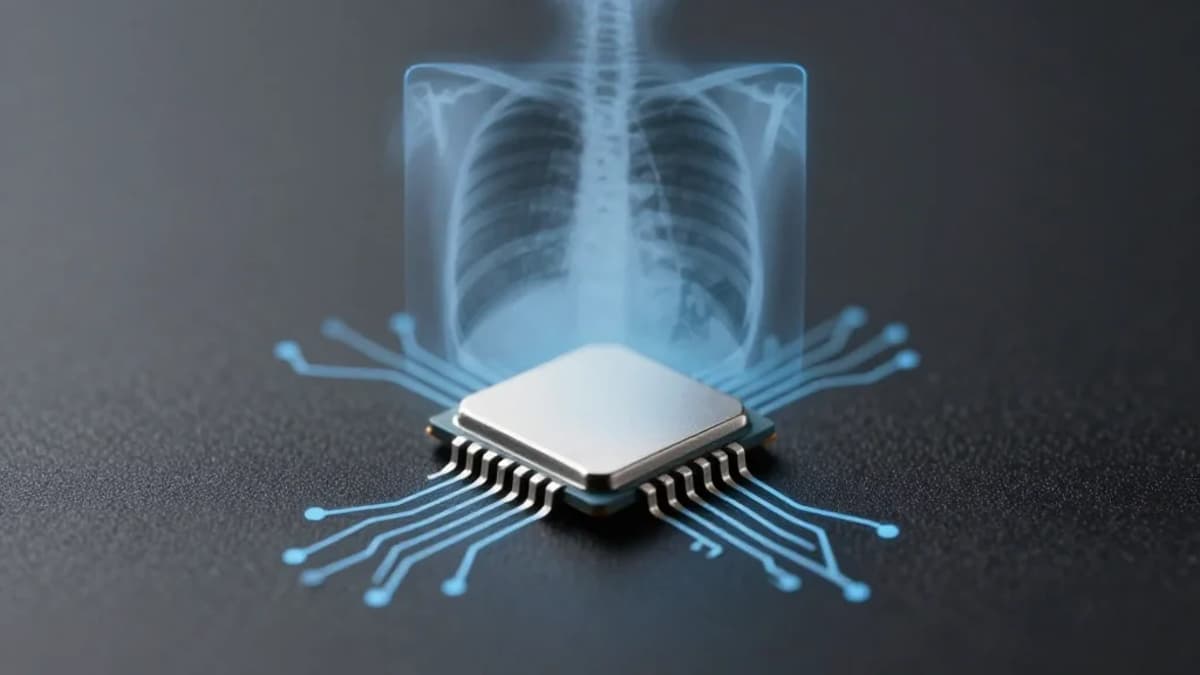
Large Language Model Reads Radiologists' Notes to Flag Patients for Follow-Up Imaging
Researchers at Parkland Health created an AI‑powered tool that leverages a pre‑trained large language model to read radiologists' free‑text notes and automatically flag patients needing follow‑up imaging. In testing on 130,000 studies, the model identified 97% of imaging recommendations and...
By Radiology Business
News•Feb 20, 2026
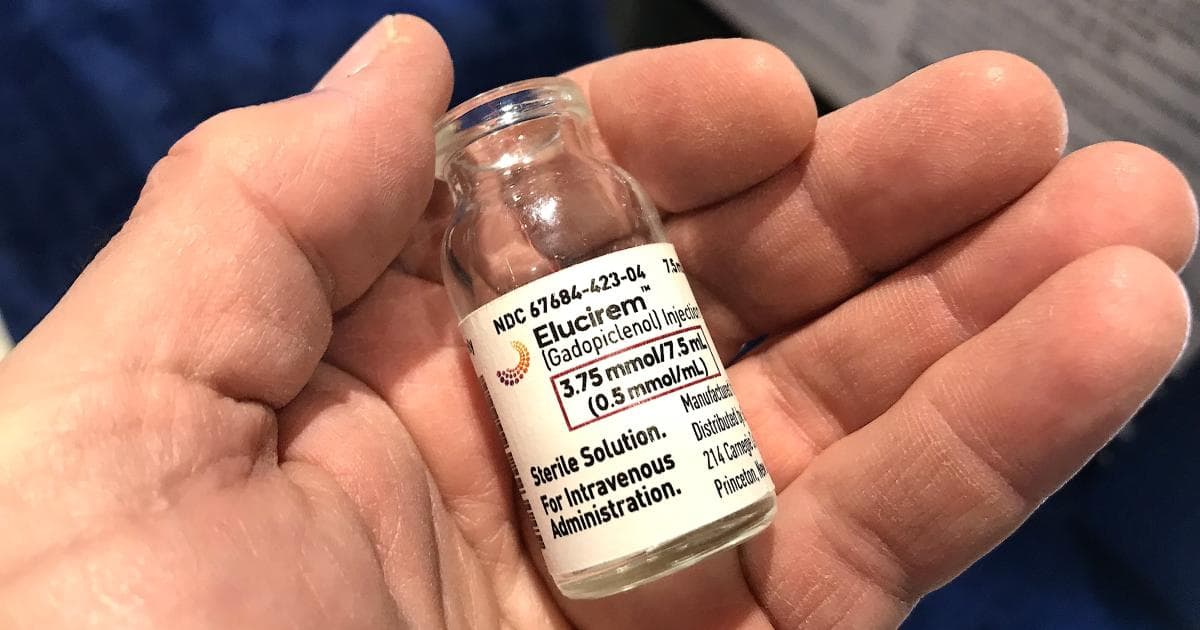
FDA Approves Expanded Use of Gadolinium-Based Imaging Agent From Guerbet
The U.S. FDA has approved an expanded label for Guerbet’s gadolinium‑based contrast agent Elucirem (gadopiclenol), allowing its use in infants and children under two years, including term neonates. The agent delivers high‑relaxivity imaging with less than half the gadolinium dose...
By Radiology Business