
Science Magazine
Publication
0 followers
Official channel of the AAAS *Science* journal, presenting video highlights of scientific research. Offers news-style and explainer videos on recent studies (including biotech and biomedical findings), often with interviews and graphics to summarize the science.
Recent Posts
Video•Feb 18, 2026
Fear Contagion
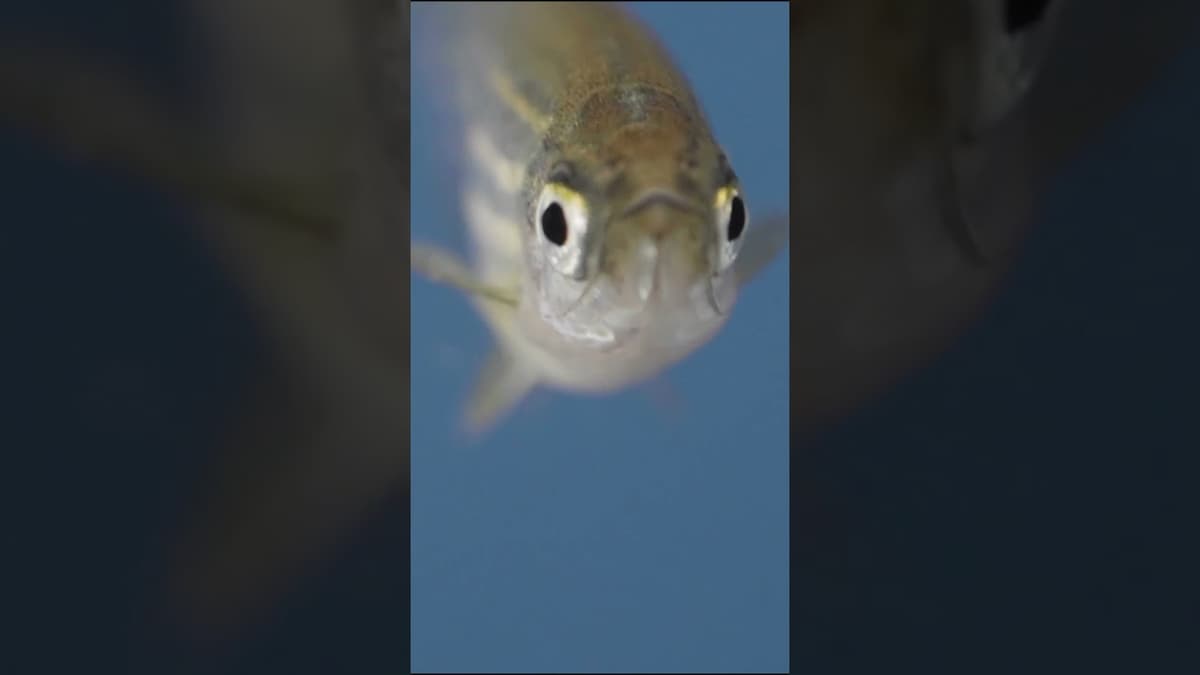
The video explains a new study on fear contagion – the rapid spread of fear among animals – and its neurochemical basis. Researchers asked whether oxytocin, a hormone linked to love and empathy in mammals, also governs this phenomenon in zebrafish, a distant evolutionary branch. Using CRISPR‑edited zebrafish that cannot produce or regulate oxytocin, scientists paired a “subject” fish with a tank of demonstrator fish injected with the fear‑inducing chemical Shrektoff. Normal fish watched the demonstrators zig‑zag and freeze, then mirrored the freezing response, confirming social transmission of fear. Mutant fish, however, remained indifferent, showing no freezing despite the alarmed neighbors. When the oxytocin‑deficient fish received a brief oxytocin boost, they instantly adopted the freezing behavior, a moment the lead researcher described as an “Eureka” realization. The experiment demonstrates that oxytocin is both necessary and sufficient for social fear contagion in fish, mirroring findings in rodents and suggesting a deep evolutionary root. These results imply that the oxytocin system is a conserved mechanism for detecting and responding to social threats across vertebrates. Understanding this pathway could inform treatments for anxiety, PTSD, and empathy‑related disorders, and highlights the hormone’s broader role beyond bonding and affection.
By Science Magazine
Video•Feb 17, 2026
Rice that Beats the Heat
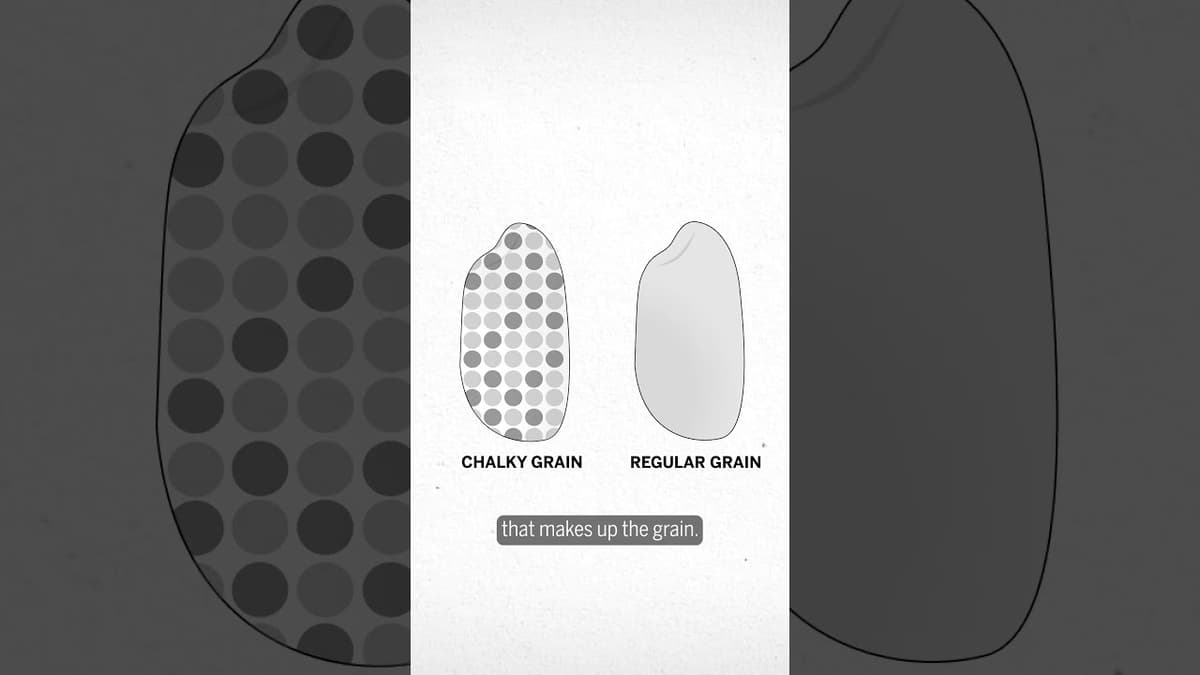
The video reports the discovery of a heat‑responsive gene, QT12, on rice chromosome 12 that determines how the grain copes with rising nighttime temperatures. Researchers screened more than 500 rice varieties in heat‑prone regions, cross‑breeding the top performers until they...
By Science Magazine