
Science Magazine
Official channel of the AAAS *Science* journal, presenting video highlights of scientific research. Offers news-style and explainer videos on recent studies (including biotech and biomedical findings), often with interviews and graphics to summarize the science.

Science Stories for Young Readers
The video spotlights three science‑focused books aimed at young readers, each exploring a distinct historical and scientific theme. One follows Nan Songer’s World War II spider‑farming venture, another delves into Rube Goldberg’s inventive contraptions, and the third examines the legal status of the Moon. Readers learn that spider silk’s ultra‑thin, ultra‑strong fibers were repurposed for precision crosshairs—measuring just one‑ten‑thousandth of an inch—and periscopes during the war. The Goldberg volume, titled *Mass, Crash, Topple, Roll*, breaks down classic machines while teaching levers, pulleys and wedges to ages eight to twelve. The Moon book traces the 1967 Outer Space Treaty, which declared the lunar surface a province of all mankind, and raises questions about jurisdiction, liability and astronaut protection. Key moments include the narrator’s awe at the silk’s engineering feat, the playful reference to Goldberg’s “unwieldy” title, and the provocative query, “Who owns the Moon?” which underscores the treaty’s ambiguities. The discussion highlights how these books translate complex science and policy into accessible narratives for children. By engaging young readers with real‑world scientific breakthroughs and emerging legal challenges, the titles aim to spark curiosity, build foundational STEM knowledge, and prepare the next generation for the policy decisions that will shape space exploration and technology development.

How Scientists Are Trying to Improve Service Dog Training
The video explores how scientists are designing behavioral assessments to make service‑dog training more efficient amid rising demand. Training a service dog takes two years and can exceed $50,000, yet roughly half of candidates never graduate. Researchers led by Emily Bray...

Large Language Models Do Science
The video highlights how large language models are increasingly being deployed as active participants in scientific discovery, from solving competition‑level math problems to designing experiments in chemistry and biology. Google DeepMind’s Gemini model answered five of six International Math Olympiad questions,...
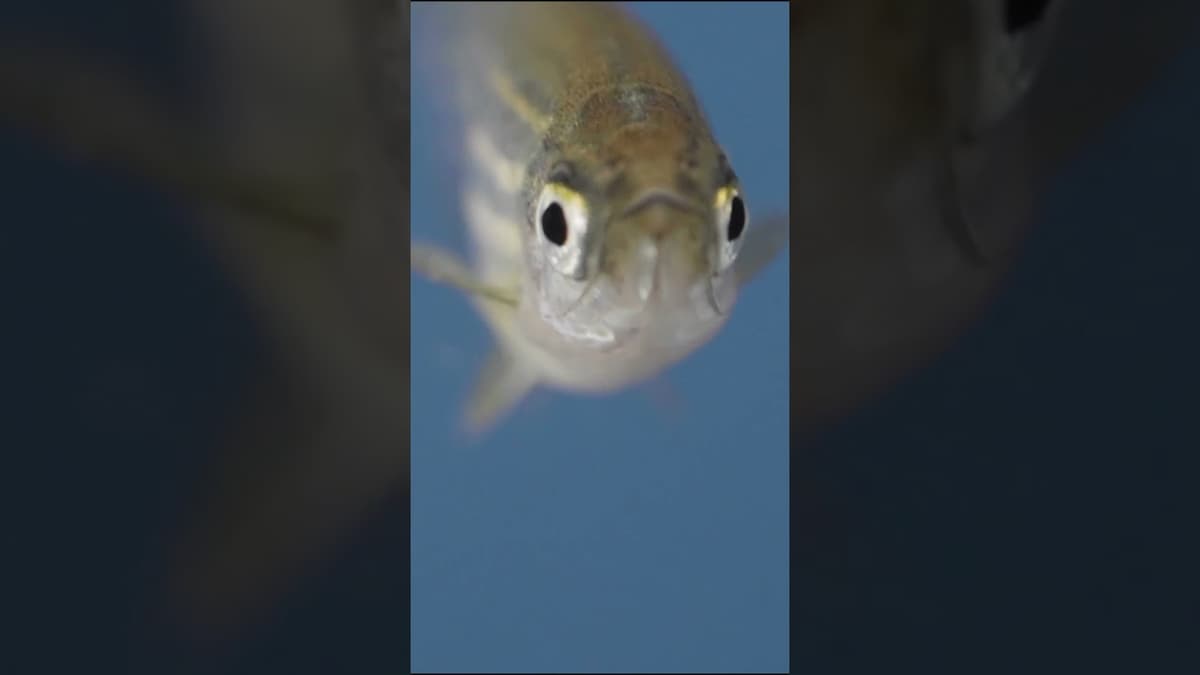
Fear Contagion
The video explains a new study on fear contagion – the rapid spread of fear among animals – and its neurochemical basis. Researchers asked whether oxytocin, a hormone linked to love and empathy in mammals, also governs this phenomenon in...
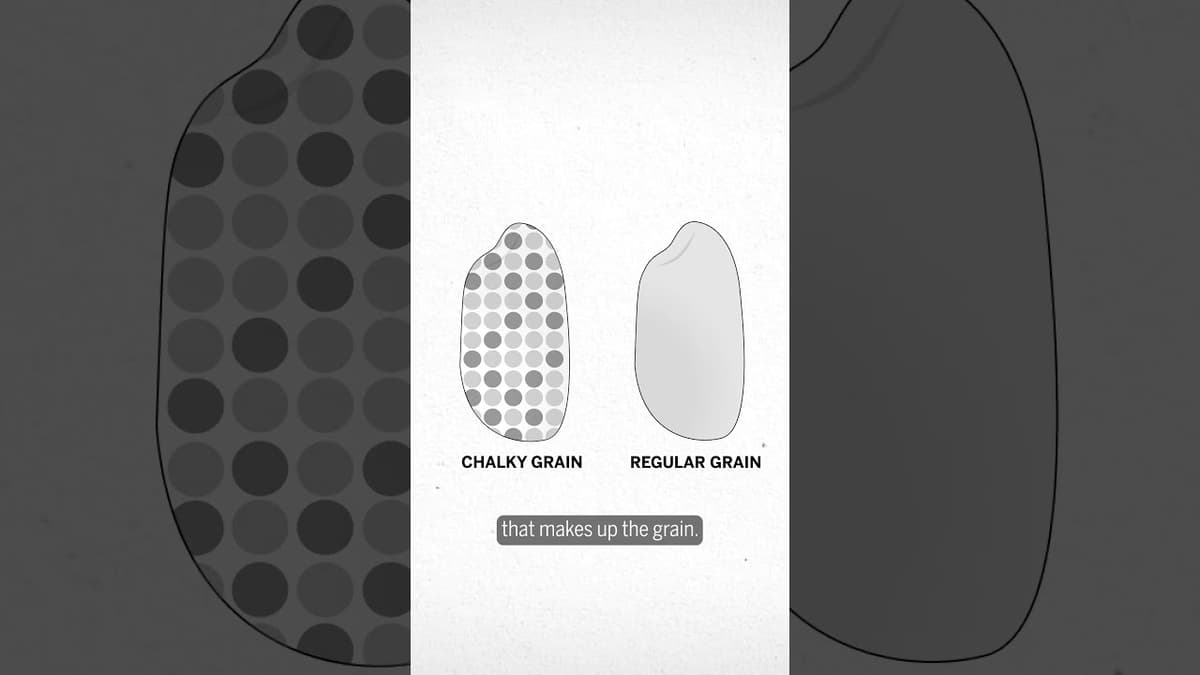
Rice that Beats the Heat
The video reports the discovery of a heat‑responsive gene, QT12, on rice chromosome 12 that determines how the grain copes with rising nighttime temperatures. Researchers screened more than 500 rice varieties in heat‑prone regions, cross‑breeding the top performers until they...