

Video•Mar 11, 2026
There Are Two Types of Boredom
The video dissects boredom into two distinct constructs—state boredom, the fleeting feeling of emptiness in a specific moment, and trait boredom, a chronic propensity to feel bored across contexts. It frames the discussion with neuroscience, citing fMRI studies that locate boredom activity in the brain’s default mode network. Researchers have yet to agree on a single cause, but experiments ranging from simple math tasks to watching laundry reveal that boredom arises when stimulation mismatches expectations. Trait boredom correlates with problem gambling, substance abuse, anxiety and depression, while state boredom can act as a cue to reassess unfulfilling activities. A striking example shows participants left alone for fifteen minutes choosing to administer electric shocks to themselves rather than endure boredom, underscoring its aversive power. Evolutionary theorists argue boredom evolved to push organisms away from unrewarding situations, prompting exploration and creative problem‑solving. Understanding whether boredom is situational or dispositional helps clinicians and managers target interventions—reducing chronic boredom may lower risk behaviors, while harnessing brief state boredom can stimulate innovation and personal growth.
By SciShow

Video•Mar 10, 2026
Why Replacing the Concorde Has Been So Hard
The video examines why a modern successor to the Concorde—capable of hypersonic speeds—remains elusive, tracing the dream of two‑hour intercontinental trips from the 1970s supersonic era to today’s Mach 5 ambitions. It explains that at speeds above Mach 2, drag multiplies, sonic booms...
By SciShow

Video•Mar 9, 2026
7 Deadly Epidemics You Didn’t Know Existed
The SciShow video delves into seven obscure epidemics that have shaped human history, beginning with a primer on the distinction between epidemics and pandemics. It then journeys from a 23,000‑year‑old coronavirus outbreak in East Asia—identified through adaptive changes in virus‑interacting...
By SciShow
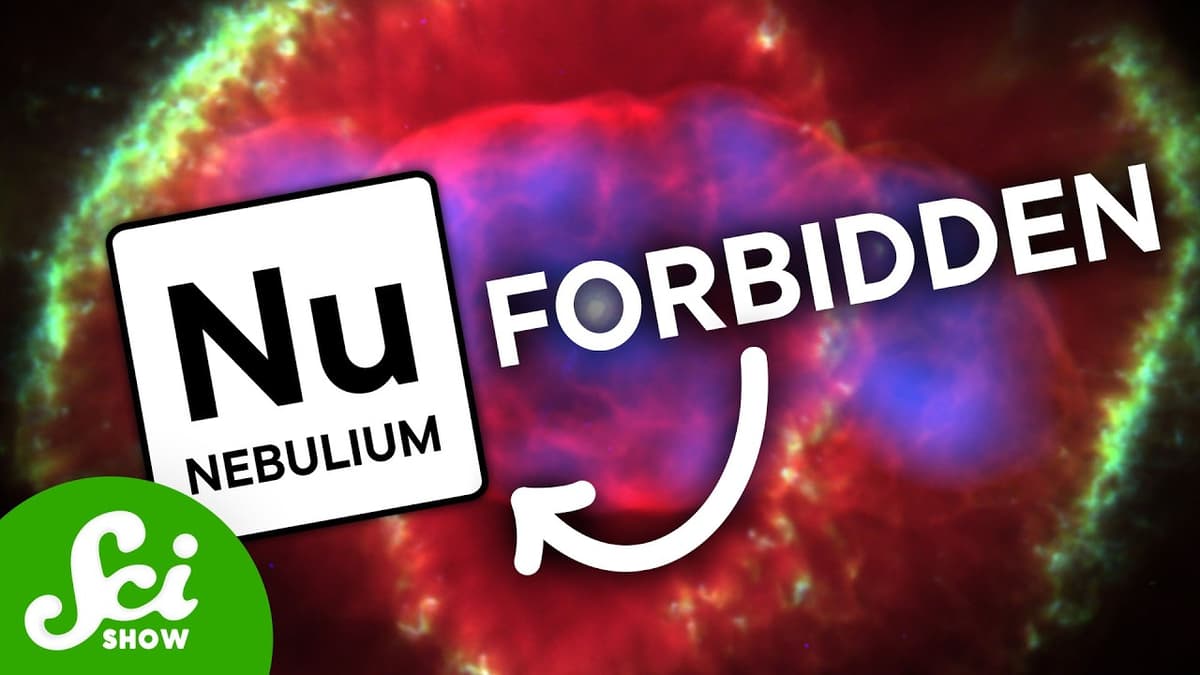
Video•Mar 5, 2026
6 Times Scientists Were Wrong About the Periodic Table
The video chronicles a series of historic blunders in the quest to complete the periodic table, illustrating how early scientists mistook spectral anomalies for new elements and how modern techniques finally resolved those mysteries. Spectroscopic pioneers such as Fraunhofer, Bunsen, and...
By SciShow