News•Mar 10, 2026
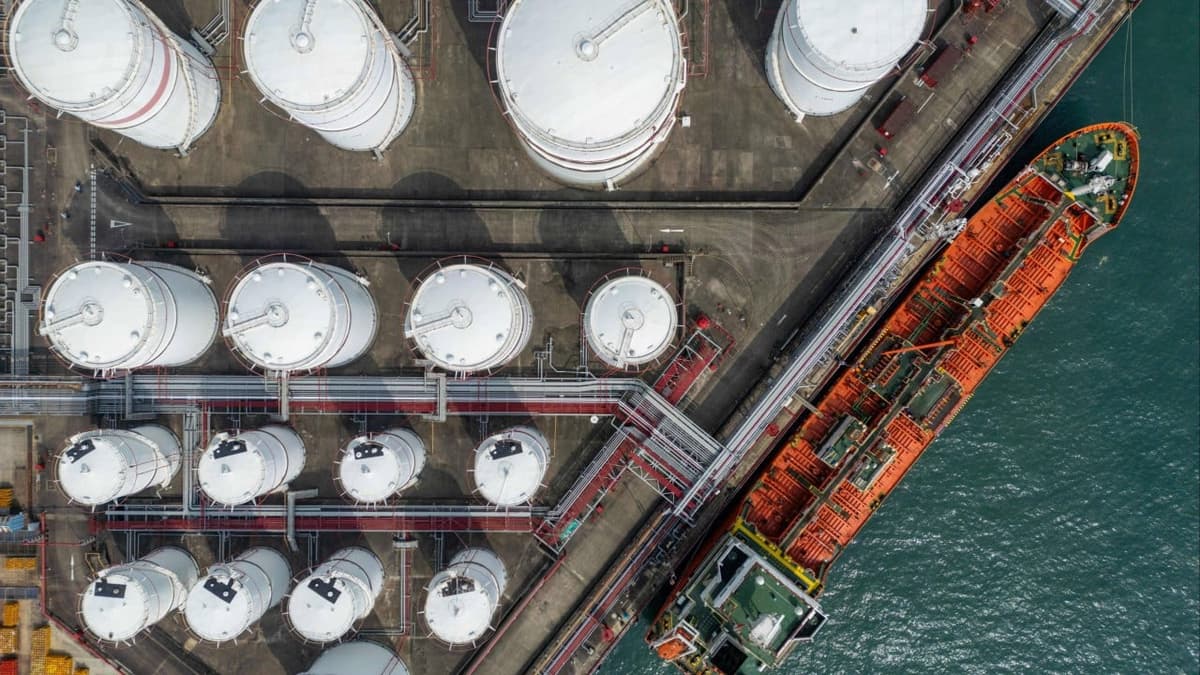
China’s Energy Defences Ease Sting of Iran War Instability
China is strengthening its energy security framework to offset volatility caused by the Iran‑related conflict. The government has expanded strategic petroleum reserves, accelerated domestic renewable projects, and secured new long‑term contracts with alternative suppliers. These moves aim to insulate the Chinese economy from price spikes and supply disruptions. Analysts see the policy shift as a pragmatic response to geopolitical risk rather than a long‑term overhaul of energy policy.
By South China Morning Post – Global Economy
News•Mar 10, 2026
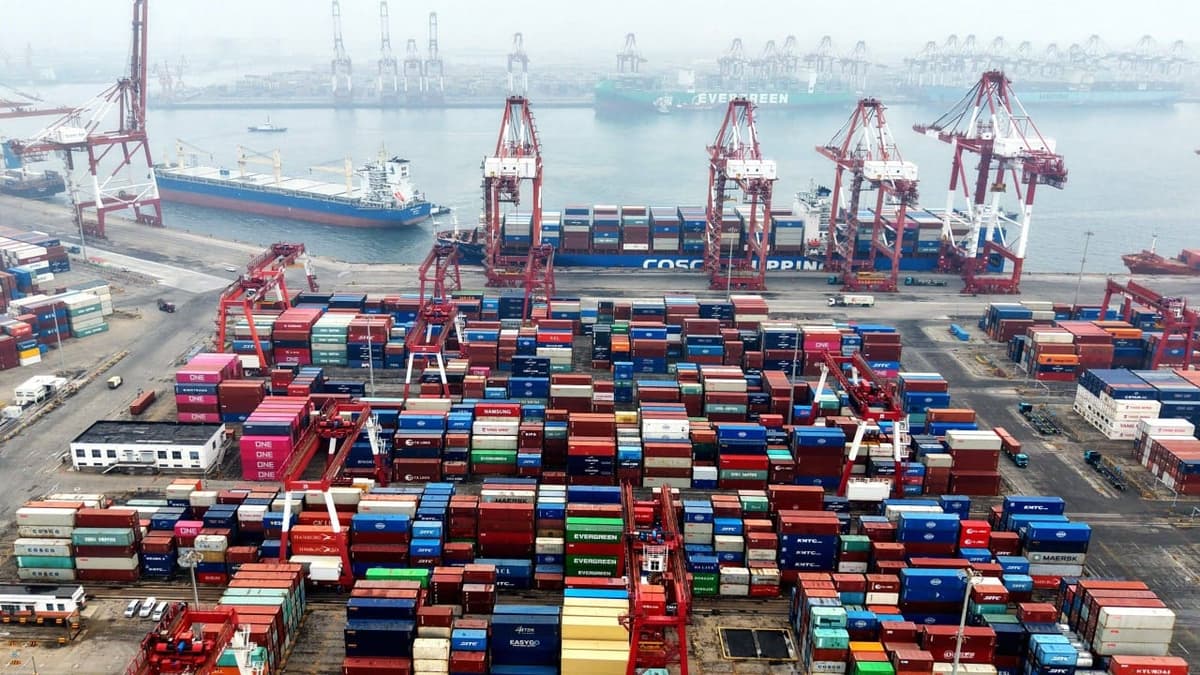
Trade Boom: China’s Exports Surge 21.8% to Start 2026 – Biggest Gain in 4 Years
China’s exports jumped 21.8% in the first two months of 2026, marking the strongest bi‑monthly increase in four years. The surge was powered by heightened demand from ASEAN, the European Union and other key markets, while U.S. exports to China...
By South China Morning Post – Global Economy
News•Mar 9, 2026
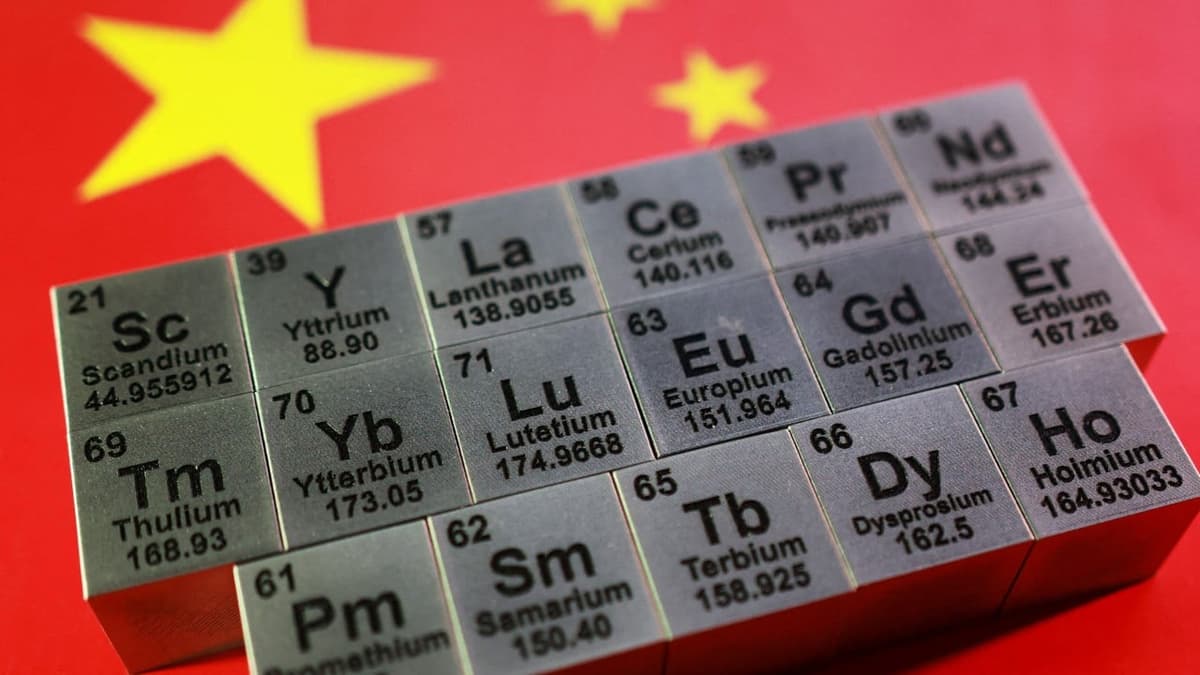
Why China’s Critical Mineral Dominance Is Still Disrupting US Supply Chains
American companies continue to wrestle with critical mineral shortages even after China temporarily lifted its export ban on gallium, germanium and antimony. China still controls the bulk of heavy rare earths and other essential raw materials, creating bottlenecks for U.S....
By South China Morning Post – Global Economy

News•Mar 5, 2026
Are Investors Spooked by Iran Violence? Market Response Suggests Not
U.S. and Israeli strikes on Iran sparked a sharp 19% weekly rise in oil prices, yet the broader market response remained muted. The Strait of Hormuz, carrying roughly 20% of global oil shipments, stayed open, limiting supply disruptions. Investors priced...
By South China Morning Post – Global Economy
News•Mar 4, 2026
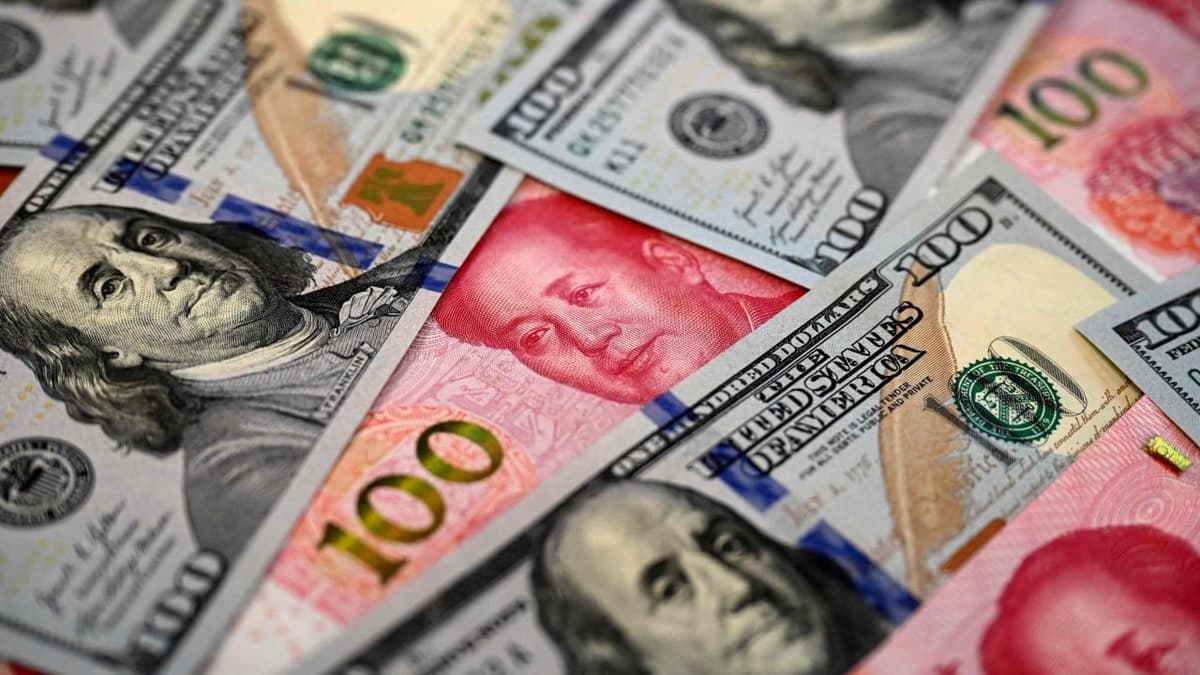
China’s Sovereign Debt Is Becoming a Strategic Alternative to US Treasuries: Economist
Chinese sovereign bonds are positioning themselves as a strategic alternative to US Treasuries, driven by investor demand for geopolitical hedges. Recent dollar‑denominated issuances in Hong Kong saw a 30‑times oversubscription, with coupon rates closely matching Treasury yields. Economist Xu Qiyuan...
By South China Morning Post – Global Economy

News•Mar 3, 2026
US, China Discuss Investment Revival Ahead of Trump’s Trip: Sources
U.S. and Chinese officials have begun talks to revive reciprocal investment ahead of President Donald Trump's scheduled visit to Beijing. Both sides are exploring structured joint ventures and licensing arrangements, with Beijing demanding stronger protection for its firms and Washington...
By South China Morning Post – Global Economy

News•Feb 26, 2026
What’s Next for China’s Yuan Payment System? Adviser Banks on Close Trade Partners
Former ICBC chairman Chen Siqing urged China to embed its Cross‑border Interbank Payment System (CIPS) into bilateral trade frameworks, especially with Belt‑Road and RCEP partners, as geopolitical tensions heighten reliance on non‑US payment networks. He highlighted CIPS’s rapid growth, processing...
By South China Morning Post – Global Economy
News•Feb 21, 2026
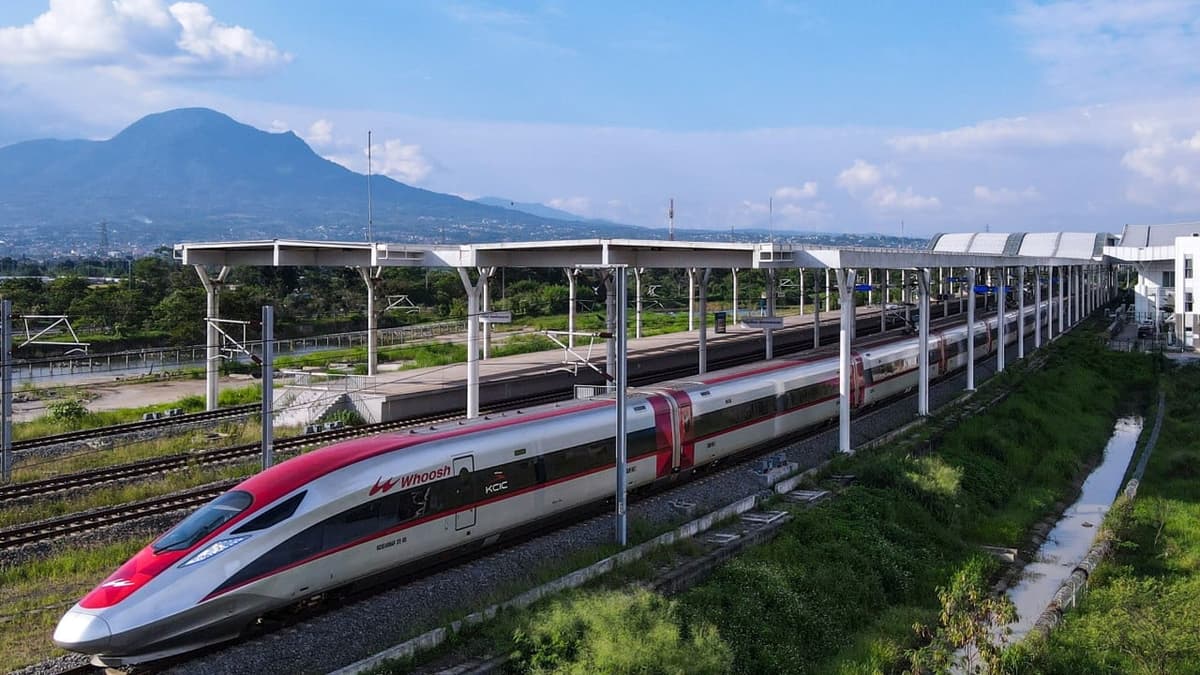
The Rail Ahead: As High-Speed Lines Saturate China, How Far Can Their Global Reach Extend?
China’s railway giants are turning outward as domestic high‑speed lines saturate, seeking overseas contracts in Southeast and Central Asia. Projects already under way include Thailand’s 610 km line, Malaysia’s 665 km east‑west railway, and Indonesia’s Jakarta‑Bandung service that has moved 12 million passengers....
By South China Morning Post – Global Economy

News•Feb 19, 2026
How Did China’s Guangzhou Tee up a Surge in South Korean Tourists?
South Korean golfers are flocking to Guangzhou, with bookings rising over 300% year‑over‑year after China introduced a 30‑day visa‑free travel policy. The surge is evident at venues like Holiday Islands Golf Club, where Korean visitors jumped 81% while Chinese traffic...
By South China Morning Post – Global Economy
News•Feb 12, 2026
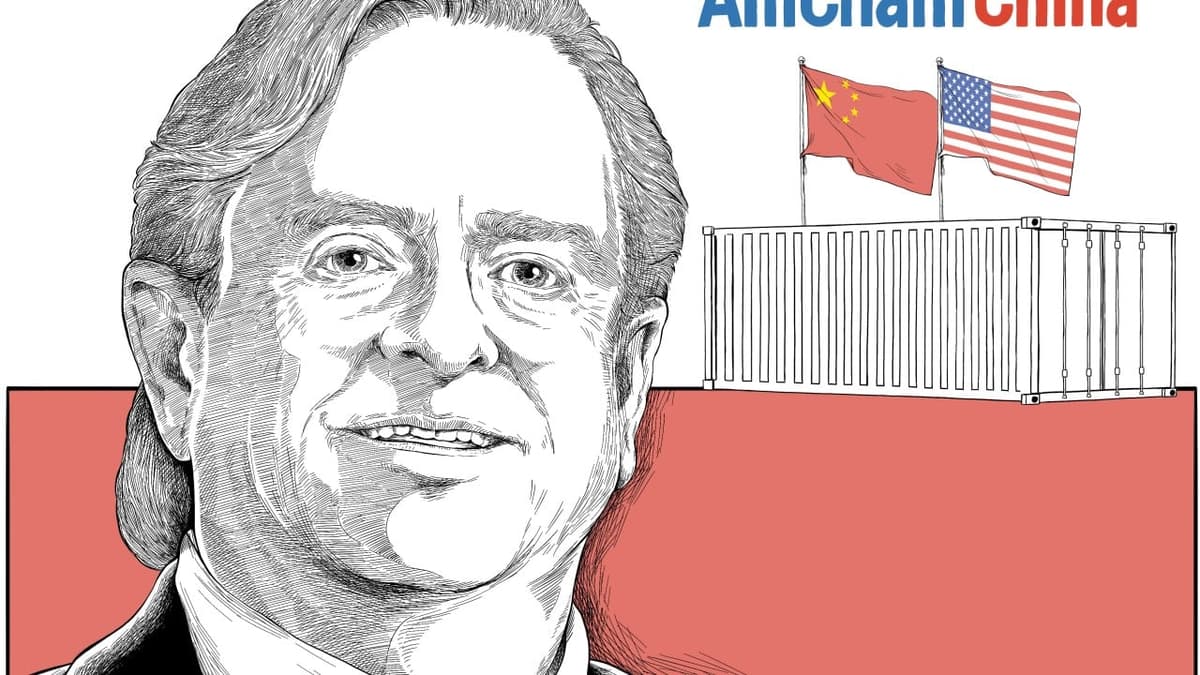
James Zimmerman on How the US and China Can Make 2026 a ‘Year of Vision’
James Zimmerman has resumed his role as chairman of the American Chamber of Commerce in China, bringing nearly three decades of on‑the‑ground experience. He argues that the anticipated Trump‑Xi meetings in 2026 present a rare chance to pivot bilateral relations...
By South China Morning Post – Global Economy

News•Feb 12, 2026
China’s Wingtech Faces Setback as Dutch Court Keeps Nexperia CEO Suspended, Orders Probe
A Dutch court upheld the suspension of Nexperia’s former CEO Zhang Xuezheng and ordered a six‑month governance investigation, signaling a setback for Chinese parent Wingtech. The ruling keeps a court‑appointed temporary director in place and maintains share control by a...
By South China Morning Post – Global Economy
News•Feb 11, 2026
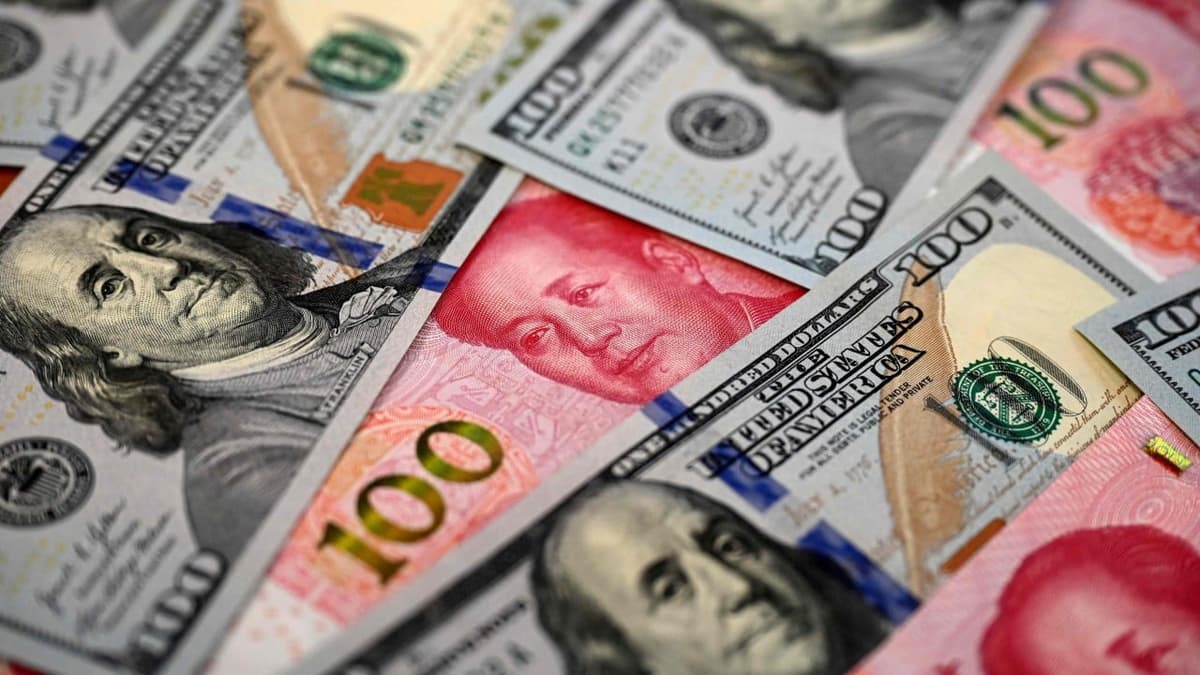
China Lets Yuan Rise to Strongest Level in Years as De-Dollarisation Trend Grows
China’s central bank set the yuan’s daily fixing at 6.9438 per dollar, the strongest level in 33 months, as the currency continued to appreciate. Offshore trading pushed the yuan to 6.909 per dollar, reflecting a broader rotation out of US...
By South China Morning Post – Global Economy

News•Feb 11, 2026
Time Called on Happy Hour as French Wine and Spirit Sales Sour in Mainland China, US
French wine and spirit exporters recorded their steepest decline since the pandemic, with total sales falling 7.9% to €14.3 billion in 2025. Wine shipments slipped 4.1% while spirits plunged 17.4%, driven by a 23.8% collapse in cognac exports. The downturn reflects...
By South China Morning Post – Global Economy

News•Feb 10, 2026
Next US-China Trade Talks Tipped in Advance of Trump-Xi Summit as Fragile Truce Holds
High‑level US‑China trade talks are being staged ahead of President Donald Trump’s April summit with Xi Jinping, as Treasury officials led by Scott Bessent met Vice‑Premier He Lifeng in Beijing. The delegations aim to keep the fragile tariff truce intact...
By South China Morning Post – Global Economy

News•Feb 10, 2026
Indonesia Turns to Digital Finance to Reach Unbanked Population
Indonesia, home to one of the world’s largest unbanked populations, is accelerating digital finance to boost inclusion. The Financial Services Authority outlined three policy priorities—sector resilience, a contributive ecosystem, and sustainable finance—to guide the effort. PT Bank Rakyat Indonesia (BRI)...
By South China Morning Post – Global Economy