

Video•Mar 12, 2026
How Does China Plan to Dominate the Global Humanoid Robot Market?
China is positioning itself to dominate the global humanoid‑robot market, a priority highlighted at this year’s Two Sessions where Premier Li Chang named "embodied AI" a top national agenda. The strategy combines massive state‑backed funding, data‑sharing initiatives, and a surge of private‑sector entrants to accelerate research, development, and deployment across manufacturing, logistics, and eventually households. By 2025, China will host roughly four‑fifths of the world’s 16,000 installed humanoid units, with firms like Xiaomi already fielding robots on automotive assembly lines for tasks such as badge installation and nut placement. Yet performance gaps remain—Xiaomi’s founder Lei Jun described the machines as “interns” that sometimes fail to tighten bolts correctly. Over 150 domestic manufacturers are flooding the market, driving prices down to under ¥10,000 for entry‑level models. Officials cite ambitious targets: a ¥400 billion market by 2030 and exceeding ¥1 trillion by 2035, supported by state‑owned enterprises placing orders and creating city‑wide data pools to cut R&D costs. Critics caution that the rapid proliferation of similar, low‑cost products could spark a bubble and stifle genuine innovation. If China achieves these goals, its factories could become largely automated, reshaping global supply chains and labor dynamics, while the household robot segment may create new consumer markets. However, the path forward hinges on overcoming technical reliability, avoiding market oversaturation, and sustaining investment beyond the hype.
By South China Morning Post (SCMP)
Video•Mar 10, 2026
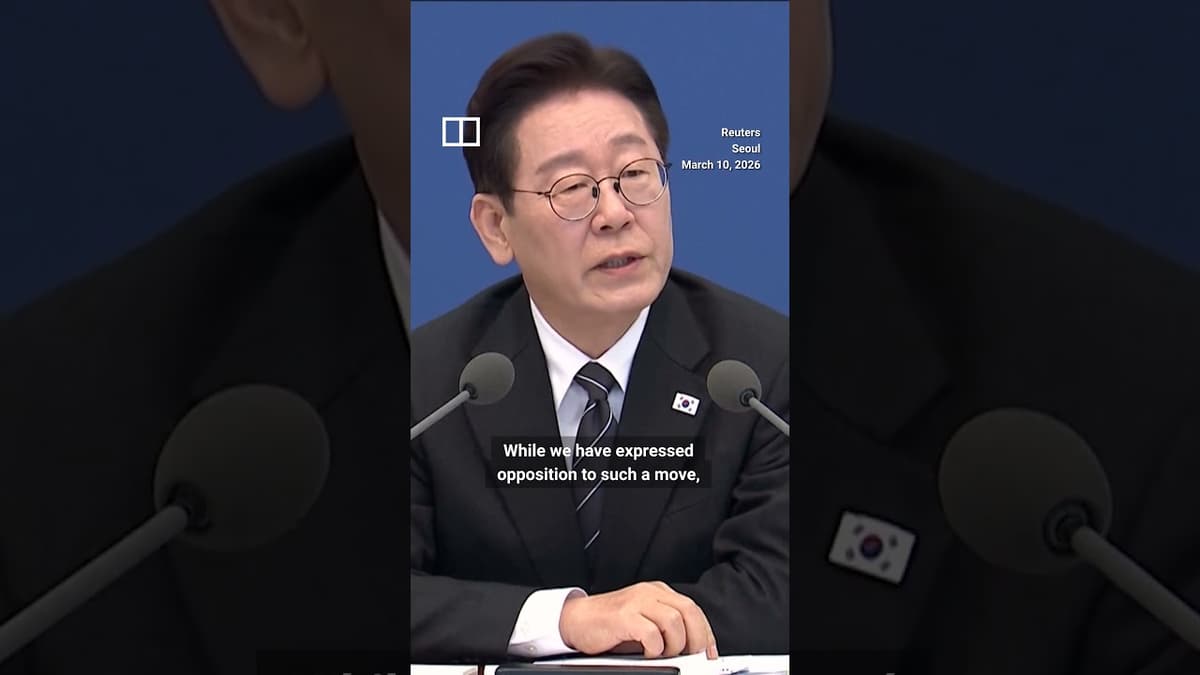
South Korea May See US Missiles Move to Middle East
The video discusses a possible shift in United States force posture, specifically the relocation of some missile and artillery assets from South Korea to the Middle East. Korean officials are raising concerns, arguing that moving these weapons could undermine national...
By South China Morning Post (SCMP)
Video•Mar 10, 2026
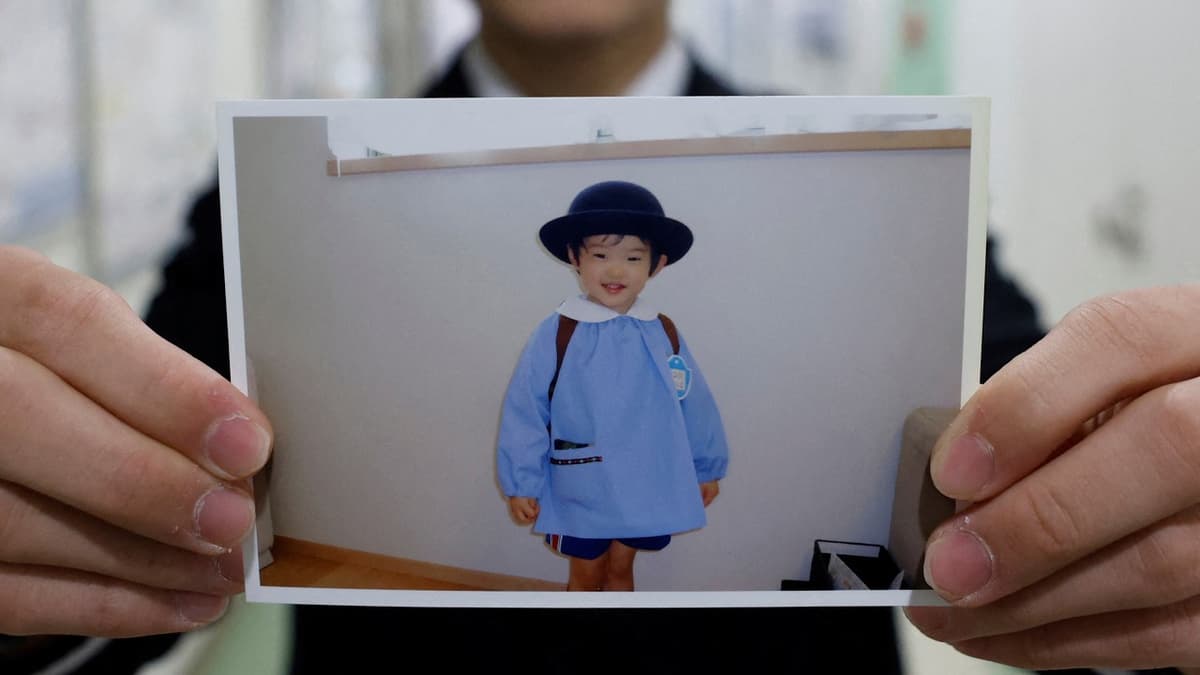
Why a Fukushima Survivor Is Choosing a Nuclear Future
The video follows a Fukushima survivor, now a student at a vocational college, who argues that nuclear power should be part of Japan’s energy mix despite the 2011 disaster. He explains his personal journey from fear to advocacy, highlighting a...
By South China Morning Post (SCMP)
Video•Mar 10, 2026
Long-Lost Father and Son Reunited in China
A father and son who were separated for two decades were finally reunited in China on March 2, after a Canadian‑born son traced his birth parent. Jong Yun Pong vanished from Shenyang Railway Station in 2001 at age four, spent five...
By South China Morning Post (SCMP)

Video•Mar 9, 2026
Iran War Sparks Gold Rush in Hong Kong
The video examines how the Iran‑Israel war has reignited a gold rush in Hong Kong, where soaring spot prices—reaching $5,136 an ounce on March 9—have drawn both seasoned and first‑time buyers. Hong Kong’s tax‑free status and its reputation as a safe‑haven...
By South China Morning Post (SCMP)

Video•Mar 9, 2026
Iran War Sparks Fuel Crises in Parts of Asia
Asian markets are feeling the ripple effects of the escalating war between the United States, Israel and Iran, as oil prices surged roughly 20% on March 9, reaching their highest level since July 2022. The strikes on Iranian facilities have choked the...
By South China Morning Post (SCMP)
Video•Feb 19, 2026
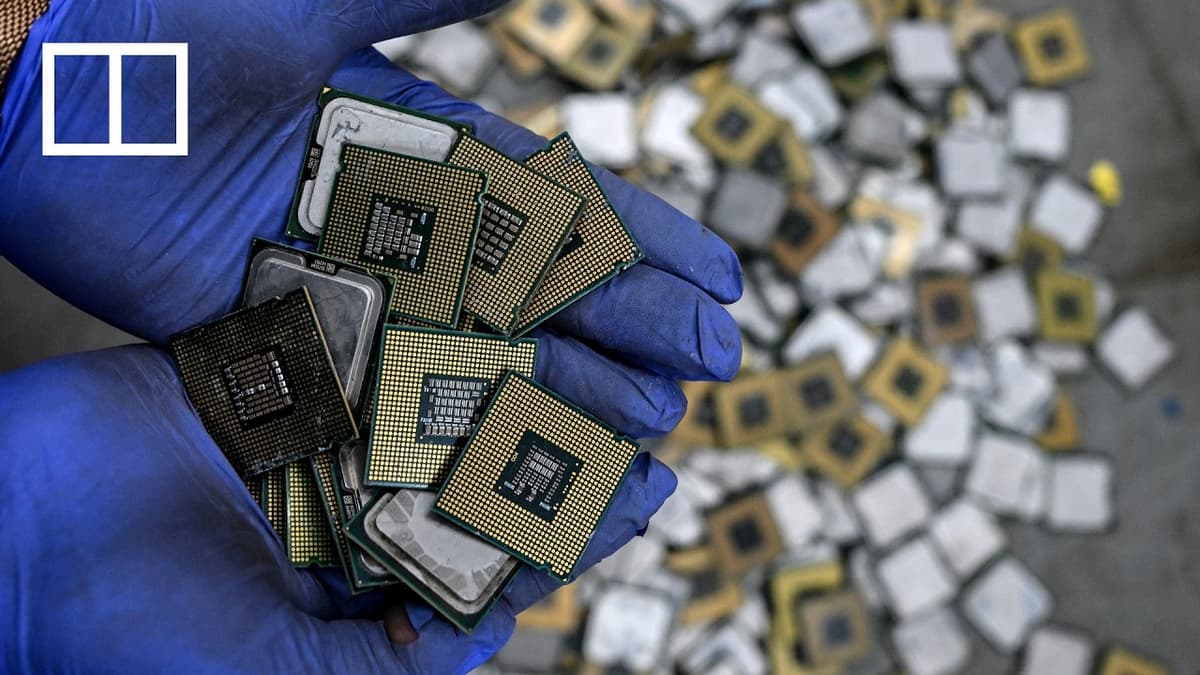
Recycling Is India’s Critical Minerals ‘Gold Mine’
Speakers say India’s informal recycling sector, which handled about 99% of electronic waste before extended producer responsibility (EPR) rules, is a vital but hazardous source of critical minerals and materials. Informal operators use primitive, polluting processes—open burning and acid treatments—that...
By South China Morning Post (SCMP)