Video•Feb 19, 2026
Celebrating IEEE’s Medal of Honor Recipients and Professor Thomas Kailath’s 90th Life Anniversary
The Stanford symposium honored Professor Thomas Kailath on his 90th birthday, bringing together three IEEE Medal of Honor recipients—including Vint Cerf, Google’s VP and chief Internet evangelist—to celebrate his legacy and the broader impact of IEEE’s top awardees. Organizers highlighted the rarity of having three Medal of Honor winners on campus and used the occasion to reflect on the milestones that defined modern networking.
Speakers traced the evolution of packet‑switching from early theoretical work at UCLA and RAND to the first ARPANET nodes, emphasizing how practical demonstrations—such as the 1969 four‑node network and the Bay Area packet‑radio van—proved the concept’s viability. The narrative moved through the 1970s development of TCP/IP on Stanford’s campus, the decisive 1983 mandate to adopt the protocol, and the pivotal NSFNET decision to favor TCP/IP over OSI, which catalyzed the internet’s rapid expansion.
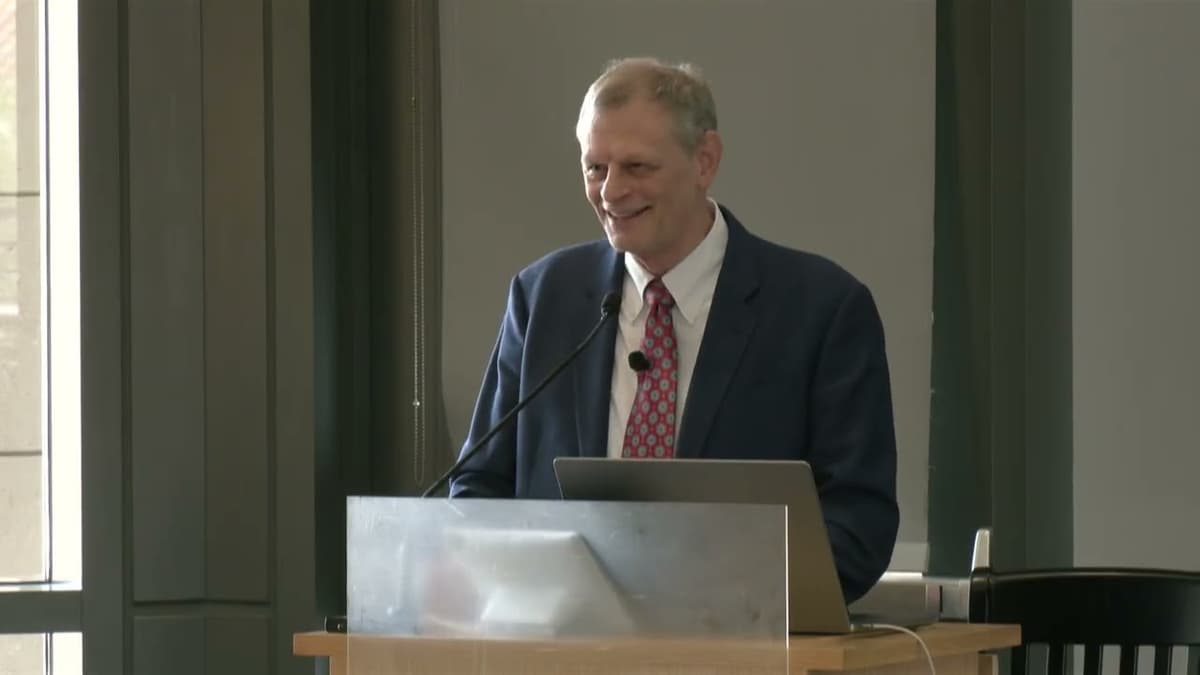
Vint Cerf’s remarks underscored his 22‑employer career, a litany of honors from the Turing Award to the Queen Elizabeth Prize, and personal anecdotes about the packet‑radio van’s police encounter and the “drunken Norwegian” voice compression demo. The talk also featured vivid recollections of the 1989 CERFNET launch, the 1991 emergence of the World Wide Web, and the subsequent dot‑com boom driven by Mosaic, Netscape, and early search engines.
The event reinforced the importance of recognizing foundational innovators whose technical choices—particularly the embrace of TCP/IP—continue to shape global communications, venture investment, and policy. For today’s leaders, the history serves as a reminder that bold protocol decisions and collaborative standards can generate lasting economic and societal value.