
Apple’s Gemini-Siri Deal Is the Next Microsoft Antitrust Case, Not the Next App Store Fight
Apple announced a multi‑year partnership with Google, paying roughly $1 billion a year for the Gemini model to power the next generation of Siri and Apple Intelligence. The revamped assistant will debut at WWDC on June 8, 2026 and ship with iOS 27 in September, routing complex queries to Gemini on Apple’s private cloud while keeping on‑device models for privacy‑sensitive tasks. Apple will also launch an iOS 27 Extensions framework that lets users choose from ChatGPT, Claude, Grok, Perplexity and a Gemini‑based chatbot, but the core AI layer remains Google‑supplied. The move reshapes antitrust scrutiny, shifting focus from App Store fees to control of the default AI interface.

What the Fire Apparatus MDL Teaches Every Acquisition-Driven Company About Section 2 Risk
Seven U.S. cities have filed antitrust lawsuits that are consolidating into a multidistrict litigation against fire‑truck manufacturers REV Group and Oshkosh’s Pierce subsidiary. The suits allege an “acquisition monopoly” – a pattern of buy‑and‑build deals that created dominant market power...
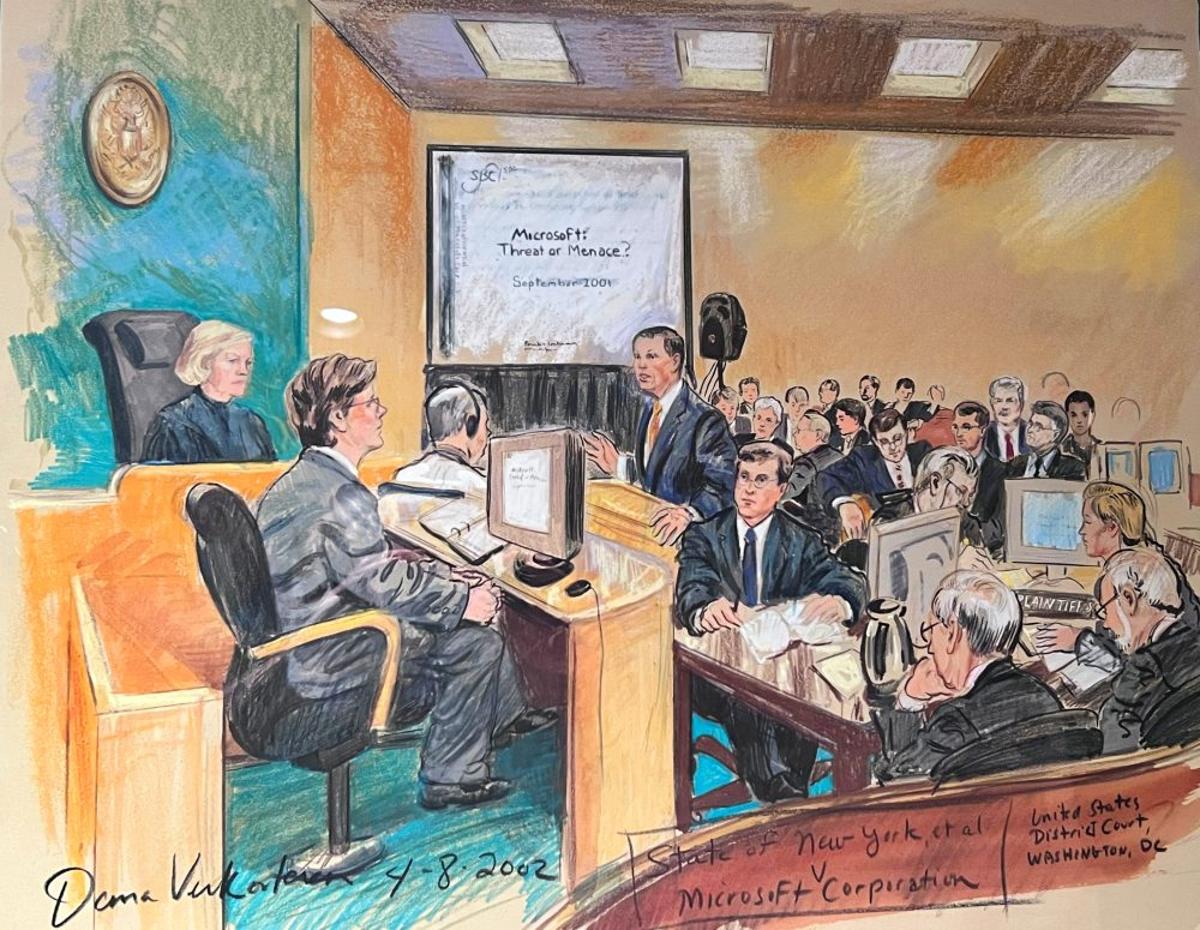
Beyond the DOJ Complaint: Potential Exclusionary Conduct Theories in the Apple Ecosystem
The U.S. Department of Justice’s antitrust complaint accuses Apple of leveraging its near‑70% smartphone share and 99% control over iOS functionalities to neutralize competing technologies such as middleware, super‑apps, and digital wallets. The filing highlights a pattern of exclusionary conduct...

Antitrust and Hockey: Competition Law Lessons That Apply Beyond the Ice
The article reviews the NHL’s antitrust legacy, from the reserve clause that bound player mobility to the league’s group boycott of the rival WHA. It explains how drafts, salary caps and territorial rules survive under the non‑statutory labor exemption and...

HSR in Turmoil: Back to the Old Form, at Least For Now
The Fifth Circuit on March 19, 2026 denied the FTC’s request to stay a district court order that vacated the agency’s 2025 Hart‑Scott‑Rodino (HSR) filing form. Consequently, the FTC announced it will accept the pre‑2025 form while still permitting use...

The Paramount–Warner Bros. Deal: What It Signals for Antitrust Merger Review in Consolidating Industries
Paramount Global agreed to acquire Warner Bros. Discovery in a $110 billion deal, one of the largest media mergers in recent memory. The transaction arrives amid slowing subscriber growth and rising content costs, prompting heightened scrutiny from U.S. federal, state and...

Antitrust Lawyers: AI’s Wartime Consiglieres
The piece warns that AI’s high fixed costs, winner‑take‑all dynamics, platform leverage and data lock‑in will drive market concentration, turning antitrust into a primary battleground. Private lawsuits are expected to outpace government enforcement, using timely complaints to stall rivals and...
Key Development in the Nonstatutory Labor Exemption to the Antitrust Law
A Colorado district court dismissed antitrust claims in Morgan v. Kroger, holding that the employers' informal coordination during parallel collective‑bargaining fell within the nonstatutory labor exemption. The ruling distinguished the case from the Ninth Circuit’s Safeway decision by noting simultaneous...

Banks, Stablecoins, and Base by Coinbase: Fighting for Open Money Without Gatekeepers
The article argues that the U.S. legislative debate over stablecoins will decide whether digital dollars become bank‑like deposits or remain programmable assets that spur competition. It highlights how stablecoins now serve as payment rails, collateral, and yield sources, prompting banks...