The Guardian - Space
Editorial coverage of space exploration, industry, and global space policy

Nasa Brought Crashing Down to Earth as Budget Threat Follows Lunar Success
NASA administrator Jared Isaacman returned to Washington after Artemis II’s historic lunar flyby, only to face a Trump administration proposal to slash the agency’s budget by nearly a quarter. The Republican‑led House commerce, justice and science sub‑committee rejected the $18.8 bn request and advanced a $24.4 bn plan that preserves science funding, while the Senate is poised to push back. Critics warn that a 46% cut to science programs would jeopardize the Artemis legacy and delay Mars ambitions. The space community has launched a “Save NASA Science” campaign to pressure Congress.

Is Space Exploration Worth the Money and Effort? | Letters
The Guardian published a letters page reacting to Zoe Williams’s claim that the U.S. space race is wasteful. Critics highlight the Artemis program’s roughly $100 billion price tag, arguing it could fund the UN World Food Programme for a decade. Supporters counter...

‘This Feels Fragile’: How a Satellite-Smashing Chain Reaction Could Spiral Out of Control
Earth’s orbital environment is now crowded with more than 30,000 tracked objects, a number that is rising exponentially as commercial and governmental launches accelerate. Analysts project that by the end of the decade the count of active satellites could exceed...
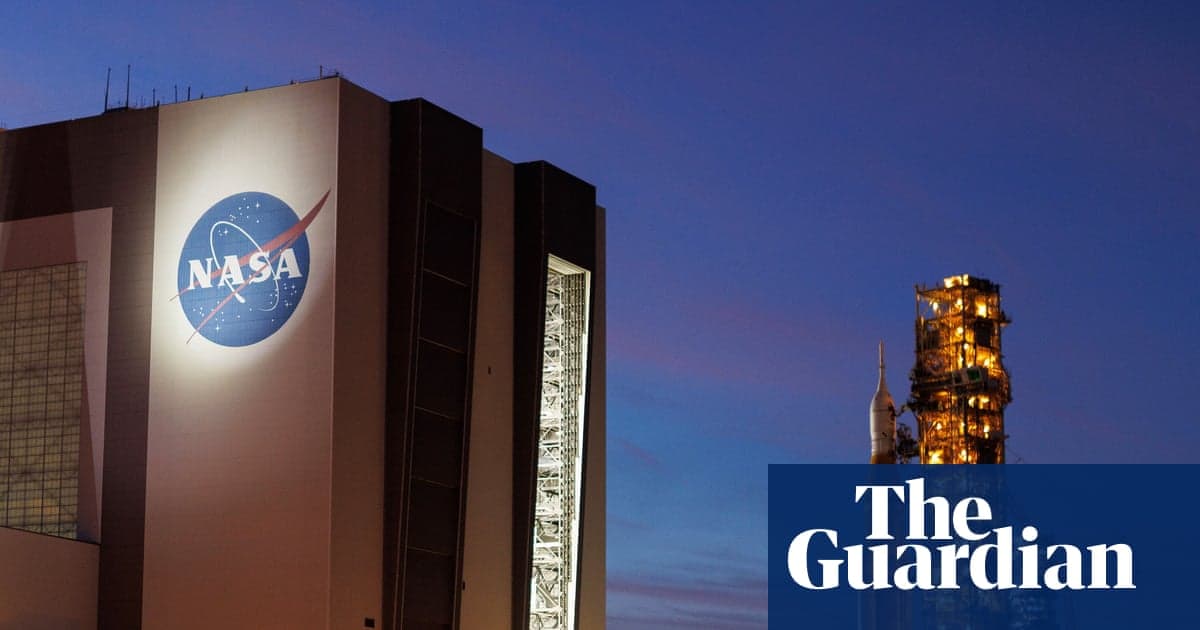
How Nasa Contractors Are Pressing on to Bring Humans to the Moon with Artemis
NASA has shifted its Artemis lunar landing schedule, pushing the first crewed landing to Artemis IV in 2028. The delay follows cost overruns and technical setbacks, prompting a restructuring of the program’s strategy. Private contractors like Lunar Outpost see new opportunities,...
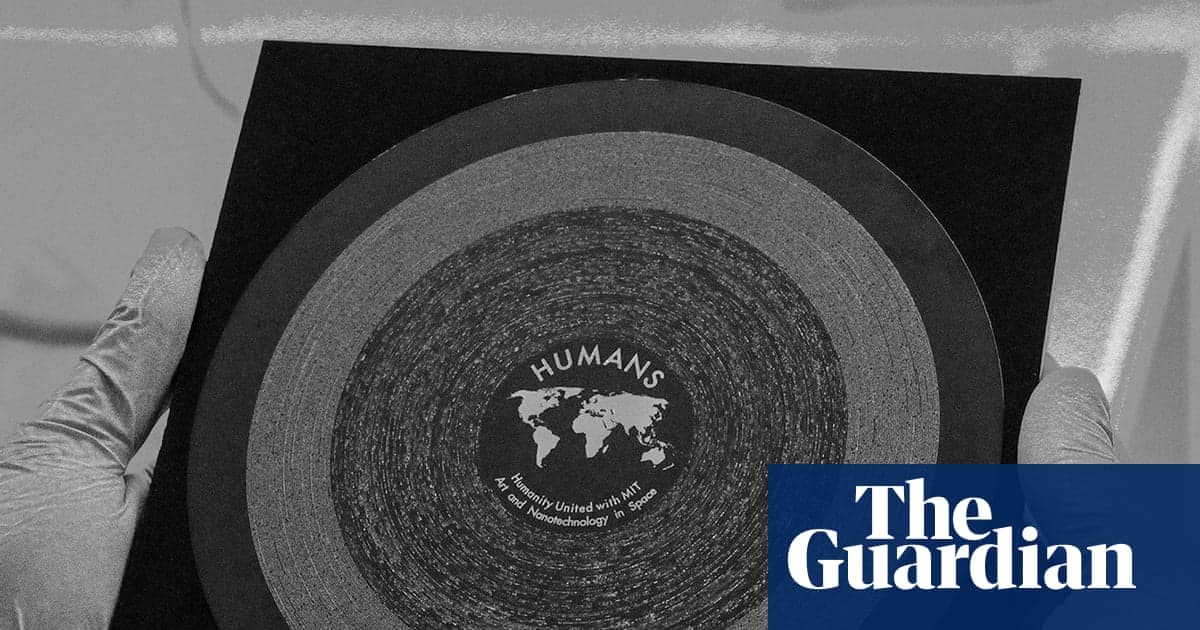
Last Chance for Australians to Send Message to the Universe on Voyager Project’s 50th Anniversary
Australia’s Powerhouse Museum is offering a final chance for citizens to record a voice message for deep‑space broadcast in honor of Voyager’s 50th anniversary. The HUMANS (Humanity United with MIT Art and Nanotechnology in Space) project, which already has more...

Mystery of Snowman-Shaped Space Objects Cracked
Researchers at Michigan State University have used computer simulations to demonstrate that gravitational collapse can produce double‑lobed, snowman‑shaped Kuiper Belt objects like Arrokoth. By modeling a pebble cloud of 100,000 particles, they showed that low‑velocity collisions (<5 m/s) can fuse two...

Astronomers Celebrate Cancellation of $10bn Chile Project that Threatened Clearest Skies in the World
Chile’s environmental regulator has formally withdrawn the $10 bn INNA green‑hydrogen and ammonia project, averting a major threat to the Atacama Desert’s pristine night skies. The proposed 3,000‑hectare facility, only 11.6 km from the Paranal Observatory, raised concerns about light pollution, seismic...

Aurora Australis Set to Light up Australian Sky as Agencies Monitor ‘Severe’ Solar Storm
The Bureau of Meteorology has issued a severe geomagnetic storm alert for 20 January, following a major solar flare on 18 January. The storm could make the aurora australis visible as far north as Victoria and New South Wales, offering rare southern‑light...

Astronomers Aim to Take ‘Revolutionary’ Moving Image of Black Hole
Astronomers using the Event Horizon Telescope will attempt to film the supermassive black hole at the core of Messier 87 during a March‑April 2026 campaign. By capturing a sequence of snapshots every three days, they aim to stitch together the first...

Astronaut Amanda Nguyen Says Backlash From Blue Origin Flight Left Her Depressed
Vietnamese‑American astronaut Amanda Nguyen, the first Vietnamese woman in space, disclosed severe depression after the all‑female Blue Origin flight sparked a "tsunami of harassment" online. The 11‑minute suborbital trip, featuring celebrities like Katy Perry, drew criticism for its environmental footprint...

The Guardian View on the New Space Race: Humanity Risks Exporting Its Old Politics to the Moon | Editorial
The editorial warns that the emerging US‑China space race risks transplanting Earth’s geopolitical rivalries onto the Moon. Both superpowers are targeting the lunar south‑pole’s “peaks of eternal light” and water ice, with NASA’s Artemis II and China’s Chang’e 7 slated for 2026...

Patches of the Moon to Become Spacecraft Graveyards, Say Researchers
Researchers warn that the rapid growth of lunar satellite constellations will turn patches of the Moon into spacecraft graveyards. By 2045, more than 400 missions are slated, many of which will end without fuel for controlled de‑orbit. Operators currently have...

First Wheelchair-Using Astronaut Touches Down After Ride to Edge of Space
Michaela Benthaus, a paraplegic engineer from Germany, became the first wheelchair‑using astronaut when she flew aboard Blue Origin’s New Shepard sub‑orbital capsule on Dec. 20, 2025. The ten‑minute flight reached an altitude of about 105 km, giving her and five other...

Nasa Loses Contact with Spacecraft Orbiting Mars for More than a Decade
NASA announced that its Mars Atmosphere and Volatile Evolution (MAVEN) orbiter went silent after re‑emerging from a Mars occultation, despite telemetry showing all subsystems normal before the event. The spacecraft, launched in 2013 and operating since 2014, has been a...