Loving Explosions
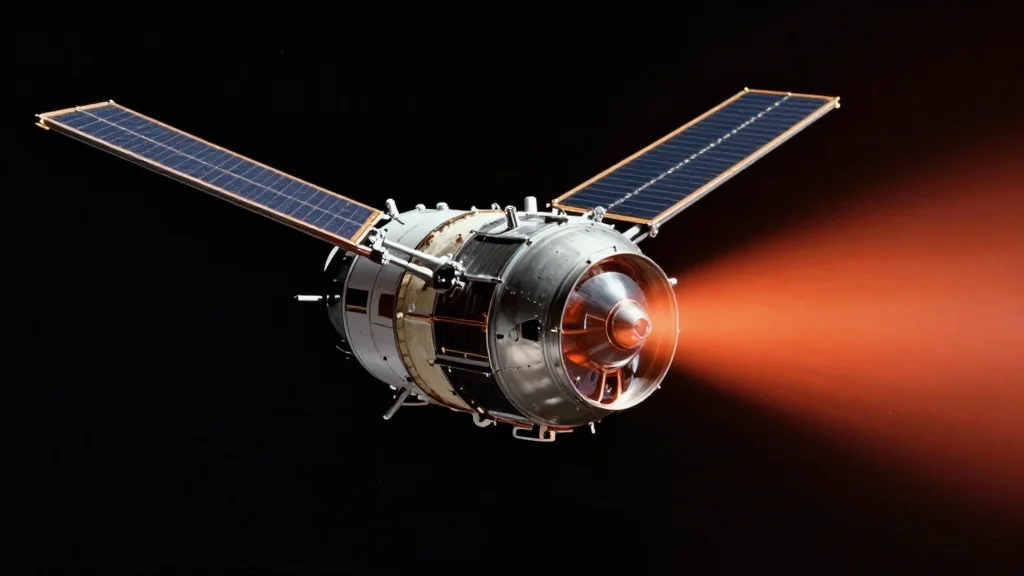
In the 1960s the U.S. Defense Department launched Vela satellites to monitor nuclear tests, but they inadvertently recorded the first gamma‑ray bursts (GRBs) in 1967. Over the next few years the Vela data revealed 17 unexplained high‑energy flashes that were later identified as astrophysical phenomena rather than weapons detonations. The discovery helped shape the 1963 Nuclear Test Ban Treaty and launched a new field of high‑energy astronomy. Today GRBs are understood as the most luminous explosions in the universe, tied to supernovae and neutron‑star mergers, yet their exact mechanisms remain an active research frontier.
Hello Birdie
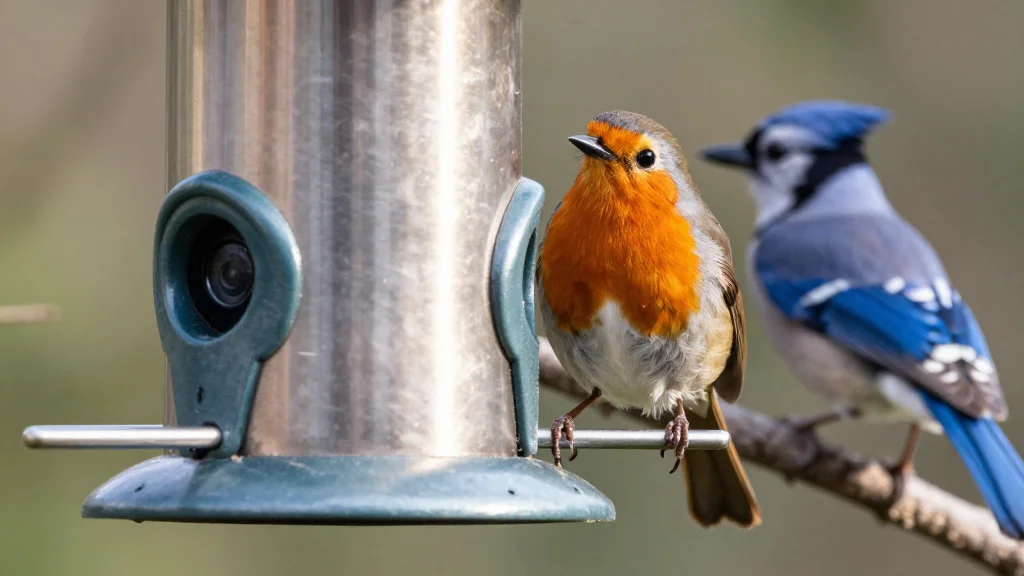
The author revisits his fascination with a Birdfy limited‑edition birdcam, a smart feeder camera that streams live video of backyard birds and sends real‑time alerts. He describes how the device lets him observe feeding behavior, calls, and species interactions, even...
Birthday Celebrations
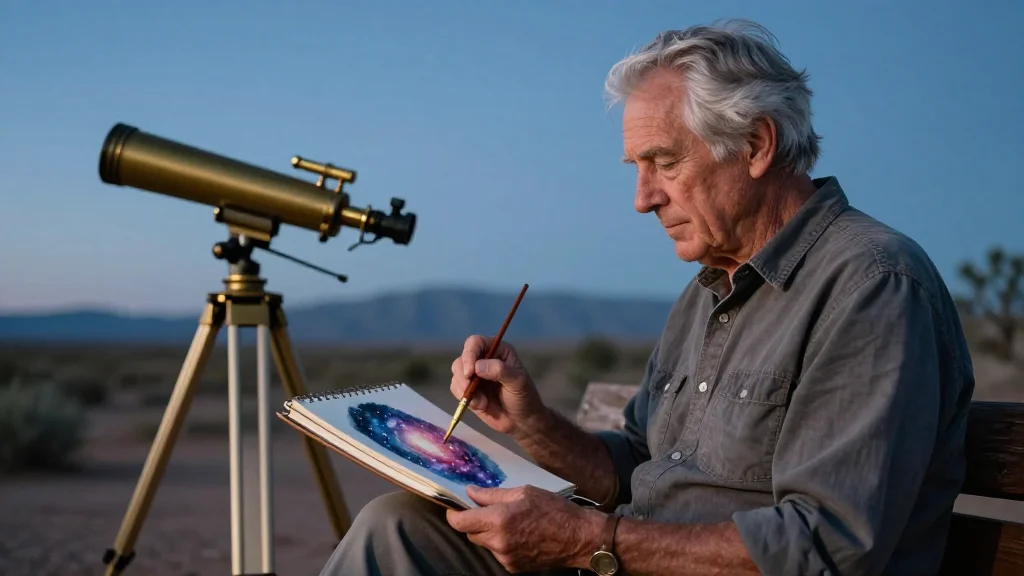
The author travels to Albuquerque for his 77‑year‑old father’s birthday, reflecting on how a stroke last summer has shifted the celebration from bike rides to quieter, mind‑focused activities. While the father can no longer pedal or drive, he remains intellectually...
Mind the Gap
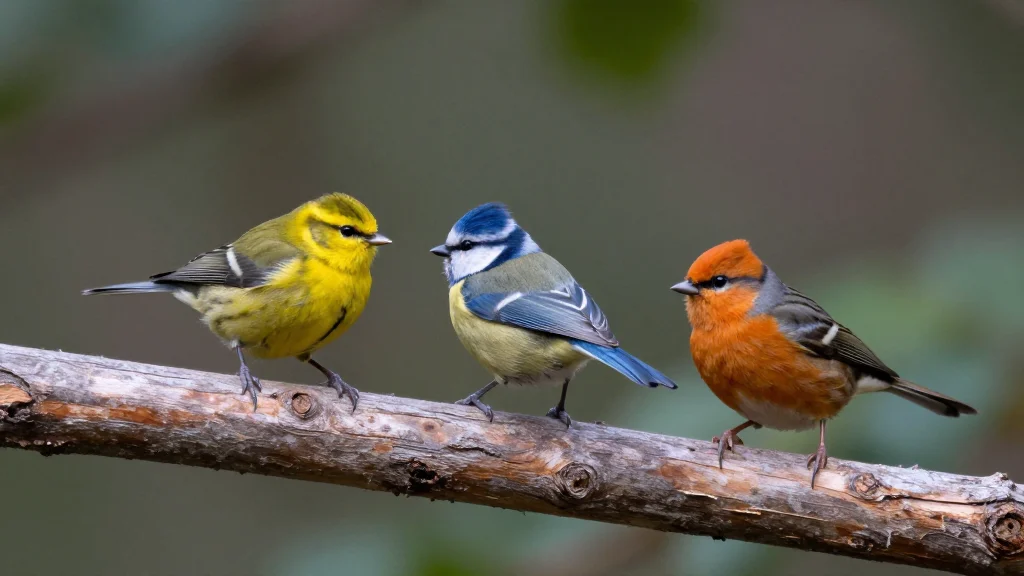
A recent doctoral study by graduate student Stephanie Chia applied persistent homology, a topological data‑analysis technique, to map the morphological trait space of passerine songbirds. By reconstructing ancestral shapes and charting existing species, the research identified several plausible bird forms...