Nick Cave on the Two Pillars of a Meaningful Life
Nick Cave, the Australian singer‑songwriter and writer, advises that a meaningful life rests on two pillars: humility and curiosity. He argues humility helps us see everyone as imperfect, reducing isolation, while curiosity transforms disagreement into engaging conversation. Cave frames these qualities as antidotes to a world that feels bizarre and temporary, urging a questioning mind as the chief instrument for richer relationships. The perspective aligns with broader philosophical reflections on purpose, echoing thinkers like James Baldwin and Bertrand Russell.
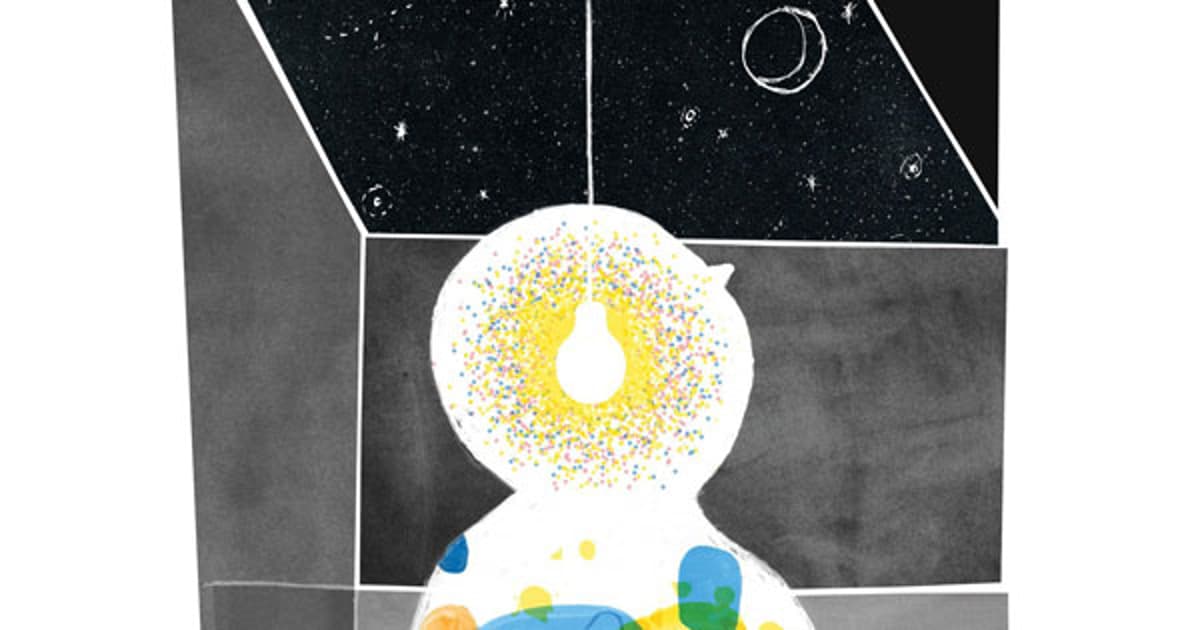
Middle Age and the Art of Self-Renewal: An Extraordinary Letter From Pioneering Education Reformer Elizabeth Peabody
Elizabeth Peabody, a 19th‑century education reformer, penned an 1838 letter warning that middle age, not youth, poses the greatest risk of complacency for gifted individuals. The letter argues that false wisdom can erode the divine spark of youthful dreams, urging...
Walt Whitman’s Advice on Living a Vibrant and Rewarding Life
Walt Whitman self‑published *Leaves of Grass* at age 36, receiving a pivotal endorsement from Ralph Waldo Emerson that rescued the work from obscurity. In the original preface, Whitman delivers a manifesto urging love of nature, generosity, and constant self‑examination. The...

Philosopher Martha Nussbaum on How to Live with Our Human Fragility
In a 1989 interview for Bill Moyers’ *World of Ideas*, philosopher Martha Nussbaum expands on her book *The Fragility of Goodness*, arguing that moral virtue requires openness to uncertainty and the willingness to be harmed by forces beyond our control....

Kierkegaard on How to Channel Anxiety Into Creativity
Søren Kierkegaard’s 1844 treatise "The Concept of Anxiety" frames anxiety as the dizzying awareness of unlimited freedom and possibility. He argues that anxiety is inseparable from the act of creating oneself and the world, acting as both a destabilizing force...
Simone De Beauvoir on Marriage and the Freedom to Change
Simone de Beauvoir’s 1926‑27 diary entry declares marriage immoral because it binds today’s self to a future self that will inevitably change. She frames the self as a fluid narrative, constantly reshaped by choices that are never final. Beauvoir urges...
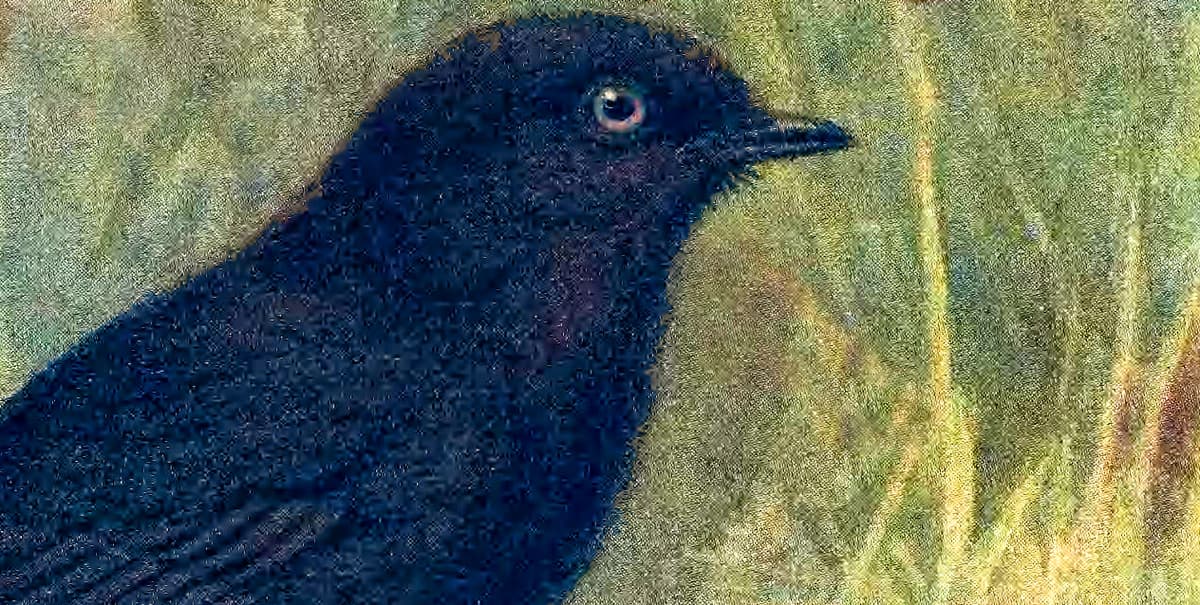
The Black Robin and the Power of Tenacious Tenderness: How a Single Mother Brought an Entire Species Back From the...
A single female black robin, known as Old Blue, was the only fertile bird among five survivors after invasive predators reduced the New Zealand species to seven individuals. Conservationists attempted surrogate parenting with warblers and tomtits before returning the chicks to...
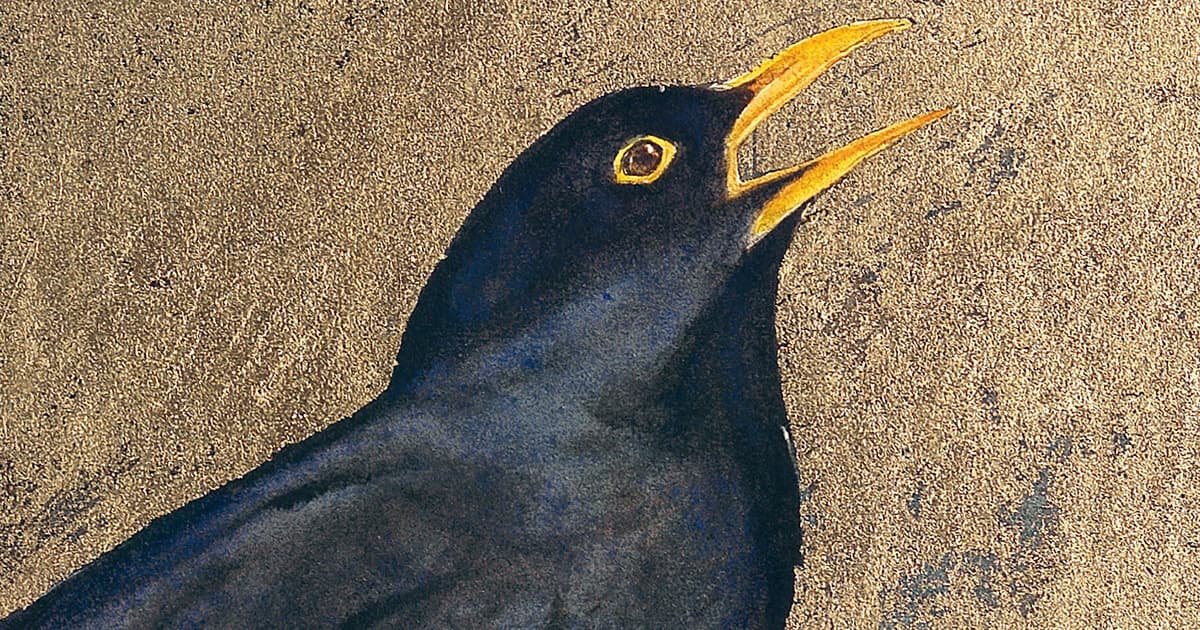
The Bird That Is Your Life
Emily Ogden’s essay in the collection On Not Knowing uses the bird metaphor to probe the anxiety of living a life that might be deemed an imbecility. Drawing on poets such as Dickinson, Szymborska and Murdoch, she argues that authentic devotion requires...
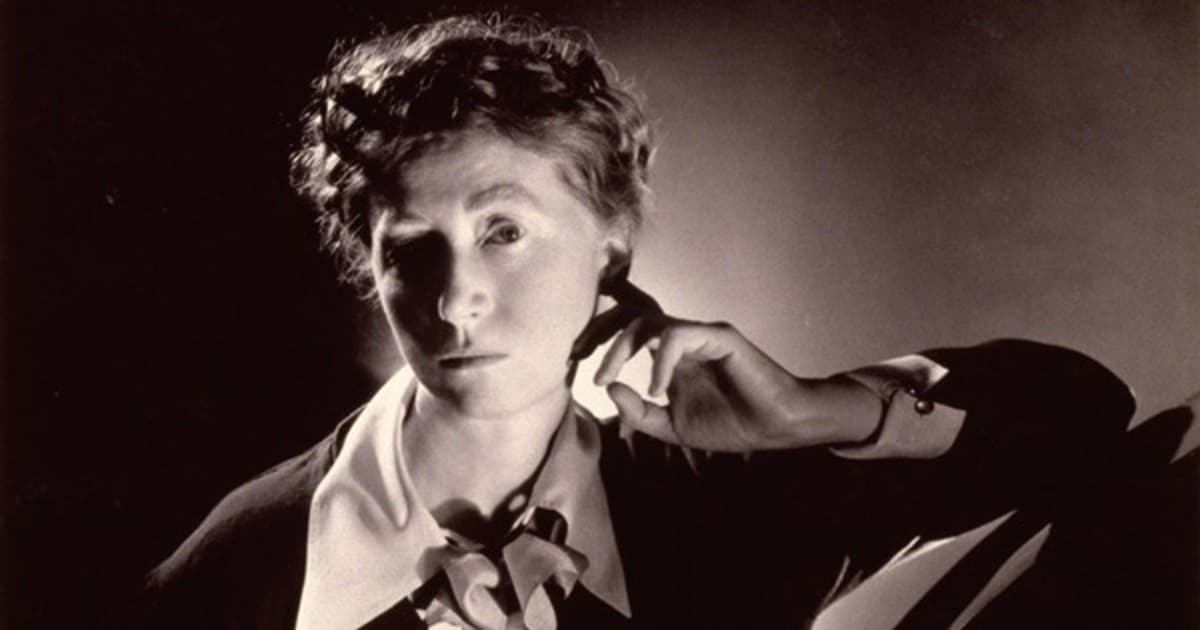
Marianne Moore on the There Elements of Persuasive Writing
The article revisits Marianne Moore’s out‑of‑print essay collection *Predilections* to spotlight her three psychological elements of persuasive writing—humility, concentration, and gusto. It weaves her personal literary history, from a one‑vote loss for the Academy fellowship to later Pulitzer and National...
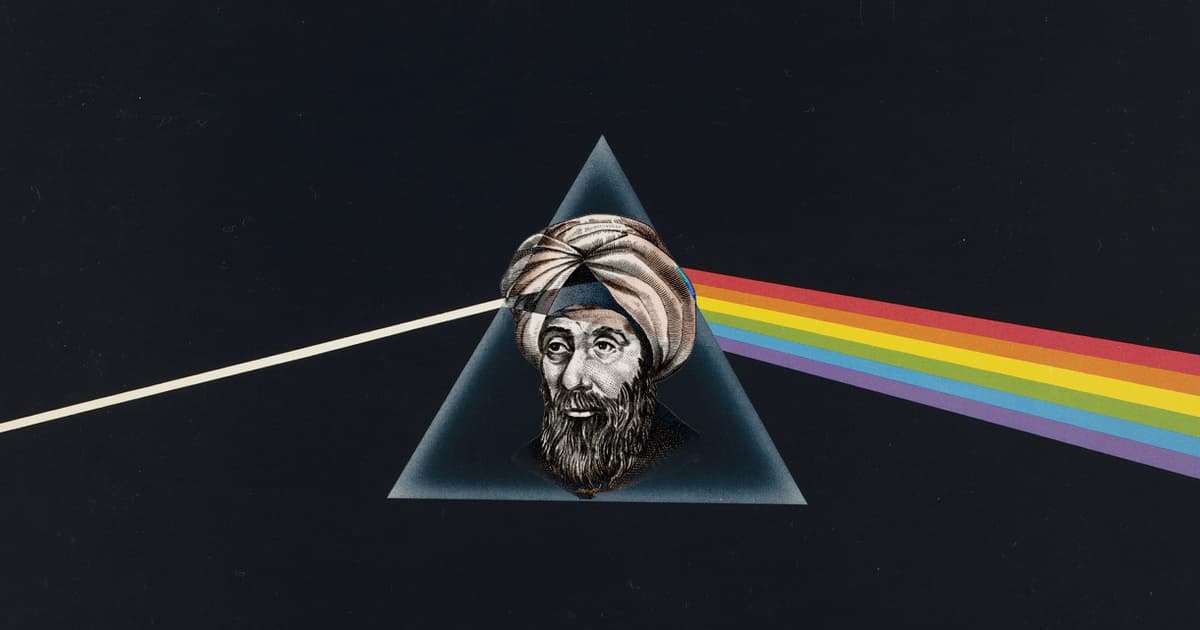
The First Scientist’s Guide to Truth: Alhazen on Critical Thinking
Ibn al‑Haytham, known as Alhazen (c. 965‑1040), pioneered experimental optics by describing the camera obscura and correctly explaining vision as light entering the eye. His seven‑volume Book of Optics detailed experiments on reflection, refraction, and eye anatomy, influencing Galileo, Kepler, Newton...
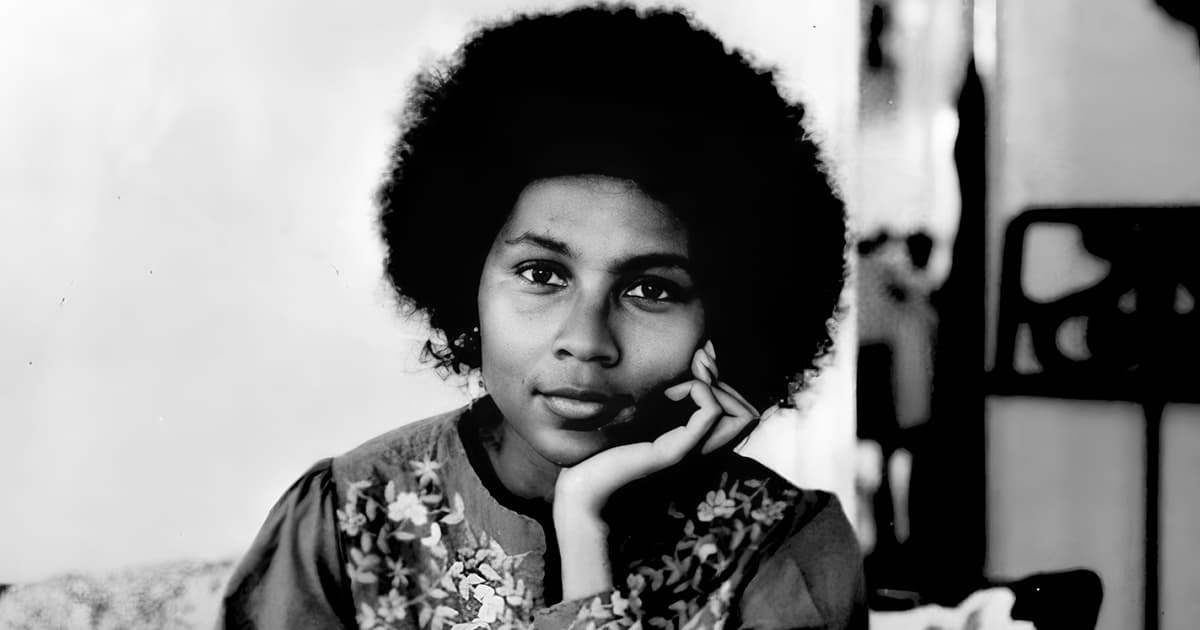
A Place for Intimacy: Bell Hooks on Language and Desire
bell hooks’ essay in *Teaching to Transgress* reframes language as a vehicle for desire, arguing that words both shape and are shaped by thought. She draws on Ursula K. Le Guin, Adrienne Rich and Pablo Neruda to illustrate how language can bridge...
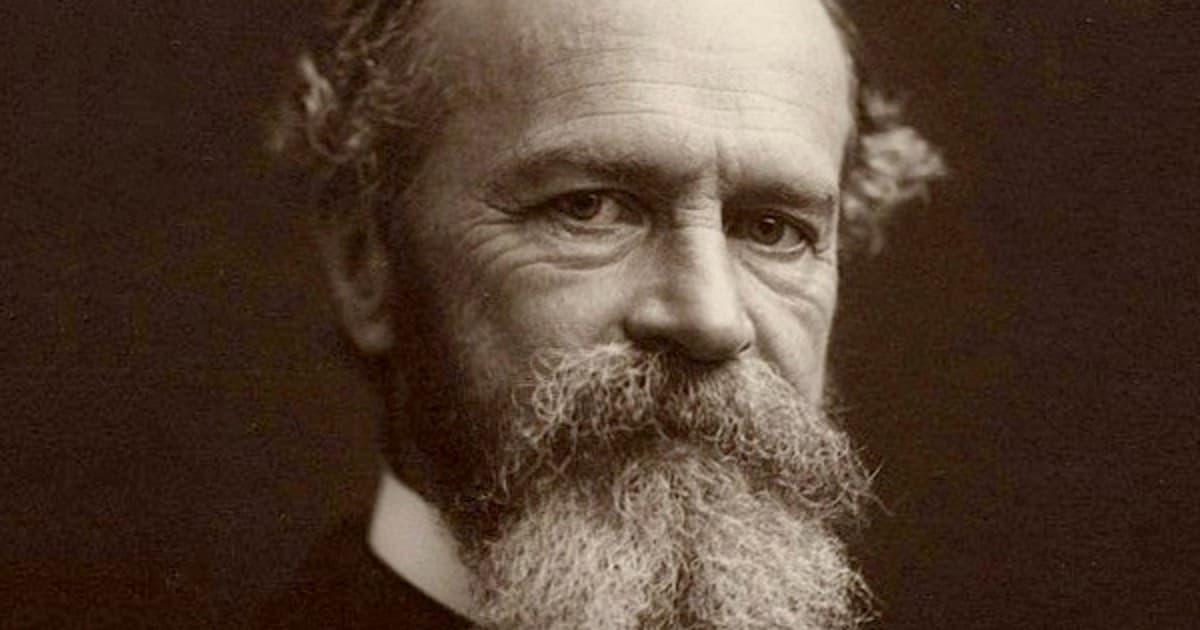
William James on the Psychology of Habit
William James’s 1887 essay "Habit" argues that repeated actions sculpt the brain’s plastic structure, turning conscious effort into automatic behavior. He outlines three maxims—strong initiation, uninterrupted practice, and seizing the first opportunity—to forge new habits and discard old ones. The...
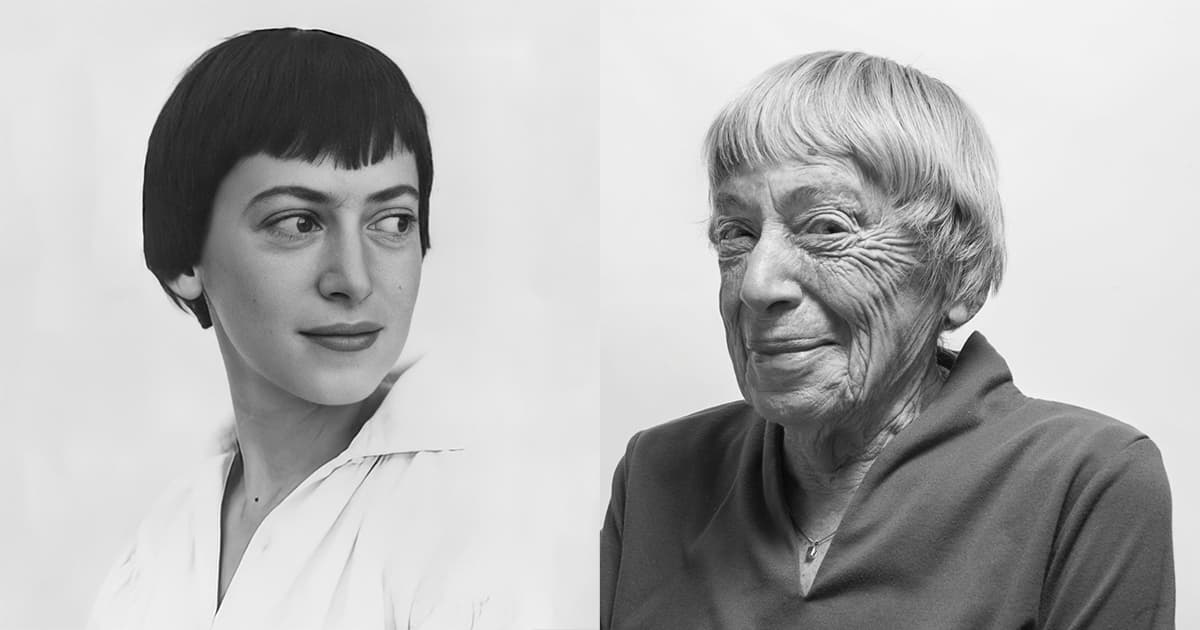
How to Live Fully: Ursula K. Le Guin’s Remedy for Our Resistance to Change
Ursula K. Le Guin’s 1971 novel *The Lathe of Heaven* offers a stark meditation on humanity’s instinct to resist change, equating that resistance with suffering. The essay highlights her argument that true equilibrium is a dynamic process, not a static...

Wherever You Think There Is Nothing
Maria Popova’s The Marginalian, formerly Brain Pickings, continues as a free, ad‑free cultural newsletter funded entirely by reader donations. The one‑woman operation invests thousands of dollars each month to curate essays, poetry, and a weekly newsletter that reaches a global audience....

What Forgiveness Takes
Maria Popova’s latest essay on The Marginalian reflects on forgiveness after a friend shared Lucille Clifton’s poem “blessing the boats.” Using Clifton’s line as a prompt, Popova writes a lyrical piece that likens forgiveness to the tide’s endless, gentle work, turning...