
Recent Posts

News•Jan 8, 2026
Claude Code Addiction Is Addiction to Creation
Daniel Miessler argues that the so‑called Claude Code addiction is really an addiction to creation, not the tool itself. AI‑driven coding assistants let anyone turn ideas into functional apps within minutes, multiplying output tenfold. This shift transforms passive consumption habits into active, productive creation. Miessler frames the phenomenon as a positive cultural upgrade over traditional digital addictions like porn, TikTok, and Netflix.
By Unsupervised Learning
News•Dec 22, 2025
AI-Enabled Self-Software
In 2025 AI tools let individuals replace commercial apps by building custom software tailored to their needs. Users can combine features from multiple services into a single, cost‑free solution, eliminating the trade‑off between functionality and price. This self‑software movement not...
By Unsupervised Learning

News•Dec 12, 2025
We Need a New Type of Cybersecurity Product
The author argues that cybersecurity has failed to demonstrate value because it talks to the wrong audience with the wrong metrics. Instead of chaotic activity logs, security programs need products that convey safety and calm through concise narratives and evidence....
By Unsupervised Learning
News•Dec 11, 2025
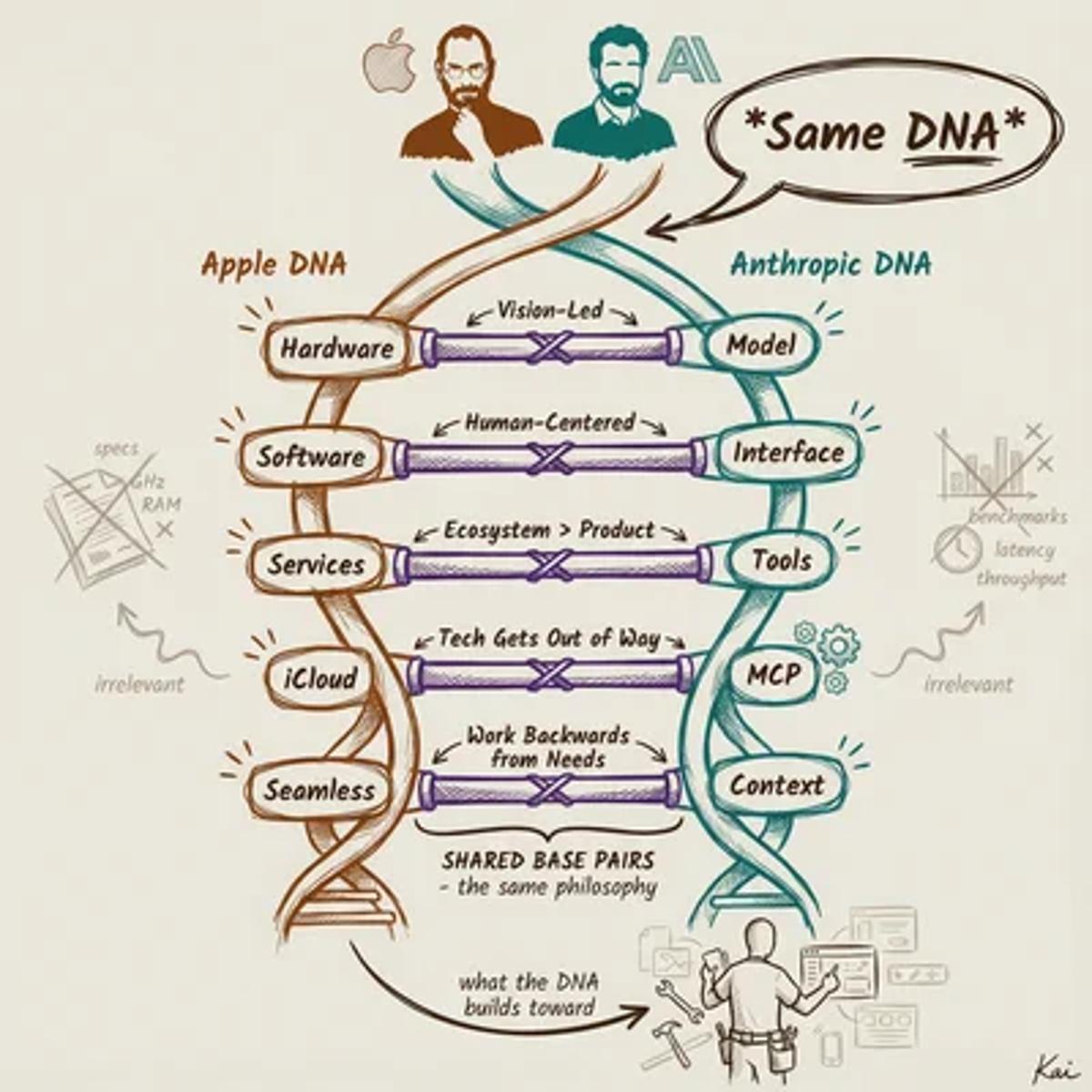
Anthropic's Vision Advantage Is a Lot Like Apple's From the 2010s
Anthropic is positioning its Opus 4.5 model as the AI equivalent of Apple’s 2010s iPhone, emphasizing a cohesive ecosystem over raw model performance. The company’s Claude Code layer focuses on user empathy, context management, and aligning AI with real‑world tasks. By building...
By Unsupervised Learning