
PFAS ‘Forever Chemicals’ May Be Linked to Multiple Sclerosis, Especially in Women
A new U.S. study of 439 participants finds higher blood levels of per‑ and polyfluoroalkyl substances (PFAS), especially perfluorohexanesulfonic acid (PFHxS), are associated with roughly 50% greater odds of multiple sclerosis (MS) overall and about 60% higher odds among women. PFHxS showed the strongest link, with each incremental increase raising MS odds by about 53% and the highest exposure group more than 3.5 times as likely to have the disease. The research adds to mounting evidence that ubiquitous "forever chemicals" may contribute to autoimmune disorders, even as federal PFAS regulations face rollback.

Nearly 300 Studies Link the Common Pesticide Chlorpyrifos to Multi-Organ Damage, DNA Disruption, and Chronic Disease
A new review of nearly 300 studies characterizes chlorpyrifos as a multi‑system toxicant that harms the brain, hormones, liver, gut microbiome, bones and DNA, often at exposure levels below current EPA safety thresholds. The analysis expands the pesticide’s risk profile...

Vaping Drives Toxic Metals Into Lungs Within Days
A new study published in Analytical and Bioanalytical Chemistry shows that e‑cigarette vapor deposits a suite of toxic metals—including nickel, lead, copper, arsenic and mercury—deep in lung tissue after just a few days of exposure in mice. Using advanced mass‑spectrometry...

Reducing Use of Personal Care Products Quickly Lowers Toxic Chemicals in the Body
Researchers in France found that replacing conventional personal care products with non‑toxic alternatives for just five days sharply lowered urinary levels of BPA, parabens and phthalates among 103 female university students. BPA fell about 39%, parabens 30% and phthalates 22%,...

Solo Screen Time Is a ‘Unique Peril’ for Young Children Already at Risk, Researchers Report
A Danish study of 546 preschoolers found that solitary screen time of just 10‑30 minutes daily worsened behavior and emotional problems in children with already weak language skills. Boys spent more time alone on screens and exhibited greater behavior issues...
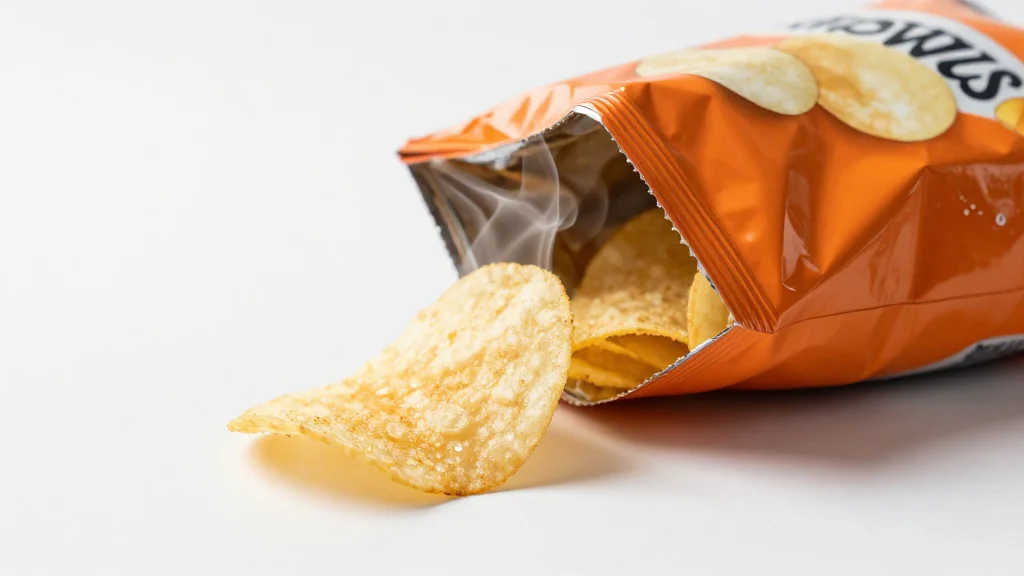
Some Ultra-Processed Foods Are as Addictive as Cigarettes and Cocaine
Recent research shows ultra‑processed foods (UPFs) trigger brain reward pathways similarly to cigarettes and cocaine, making them highly addictive. About 57% of calories consumed by U.S. adults and 67% by children come from UPFs, with addiction rates comparable to alcohol...

Ultra-Processed Foods May Raise Risk of Preterm Birth and Pregnancy Complications, Study Finds
A large U.S. study of 6,693 pregnancies found that each 10‑percentage‑point rise in calories from ultra‑processed foods (UPFs) during pregnancy is associated with an 11% higher risk of preterm birth and a 5% increase in hypertensive disorders such as preeclampsia....

PR Firm Linked to Gates-Backed AGRA Edited Wikipedia to Remove Criticism
An investigation by the Bureau of Investigative Journalism revealed that Portland Communications, a London‑based PR firm, orchestrated a network of 26 sock‑puppet Wikipedia accounts to delete criticism of the Gates Foundation‑backed Alliance for a Green Revolution in Africa (AGRA). The...