
New Healthcare Apprenticeship Initiative Puts the Focus on Employers
UW Health WorkForward, launched by former National Center for the Apprenticeship Degree leader Eric Dunker, is the first national employer‑led intermediary focused on healthcare apprenticeships. The initiative offers technical assistance, policy advocacy, and research to help hospitals and health systems build their own apprenticeship programs. It aims to combat chronic staffing shortages and the $30 billion annual spend on temporary healthcare workers. Early collaborations include Massachusetts’ community colleges and major employers, with plans to expand into four to six regions by the end of 2025.

Credential Lag
The AI‑driven data‑center boom has surged job postings by 430% since ChatGPT’s debut, creating a critical shortage of specialized technicians and operators. Traditional labor statistics lag 12‑24 months, leaving emerging roles invisible and slowing credential development. Julius Education’s real‑time labor‑market...

What We Got Wrong (and Right) About Bringing AI Into Workforce Training
Per Scholas launched an AI‑powered tutoring system two‑and‑a‑half years ago, which lifted certification pass rates. However, nearly 50% of learners never engaged with the tool, exposing a critical adoption gap. The partnership with the American Institutes for Research led them...

Building On-Ramps to Union Apprenticeships
The data‑center boom is intensifying the shortage of skilled construction workers, prompting North America’s Building Trades Unions to partner with Microsoft and OpenAI on apprenticeship pipelines. TradesFutures, a union‑backed intermediary, enrolled 7,700 participants across more than 200 readiness programs in...

AI’s Disruption Demands Bolder Action. Prediction Markets Could Deliver
Tech layoffs have surged, with more than 125,000 jobs cut in 2023 alone and nearly 600,000 positions eliminated over the past three years. While analysts debate whether pandemic over‑hiring, rising rates or AI‑driven efficiencies are to blame, the real cost...

Can Apprenticeships Rebuild the Learning Curve that AI Is Flattening?
National Apprenticeship Week highlights a growing crisis: AI is automating many entry‑level tasks that once served as on‑the‑job training grounds. The resulting loss of repetitive practice erodes the traditional learning curve described by Wright’s Law, which linked cumulative output to...

Shipbuilding Workforce
The Institute for Advanced Learning and Research in Danville, Virginia, has graduated 1,350 workers through its Accelerated Training and Defense Manufacturing program, helping meet the U.S. shipbuilding sector’s need for 250,000 new workers over the next decade. The effort is...
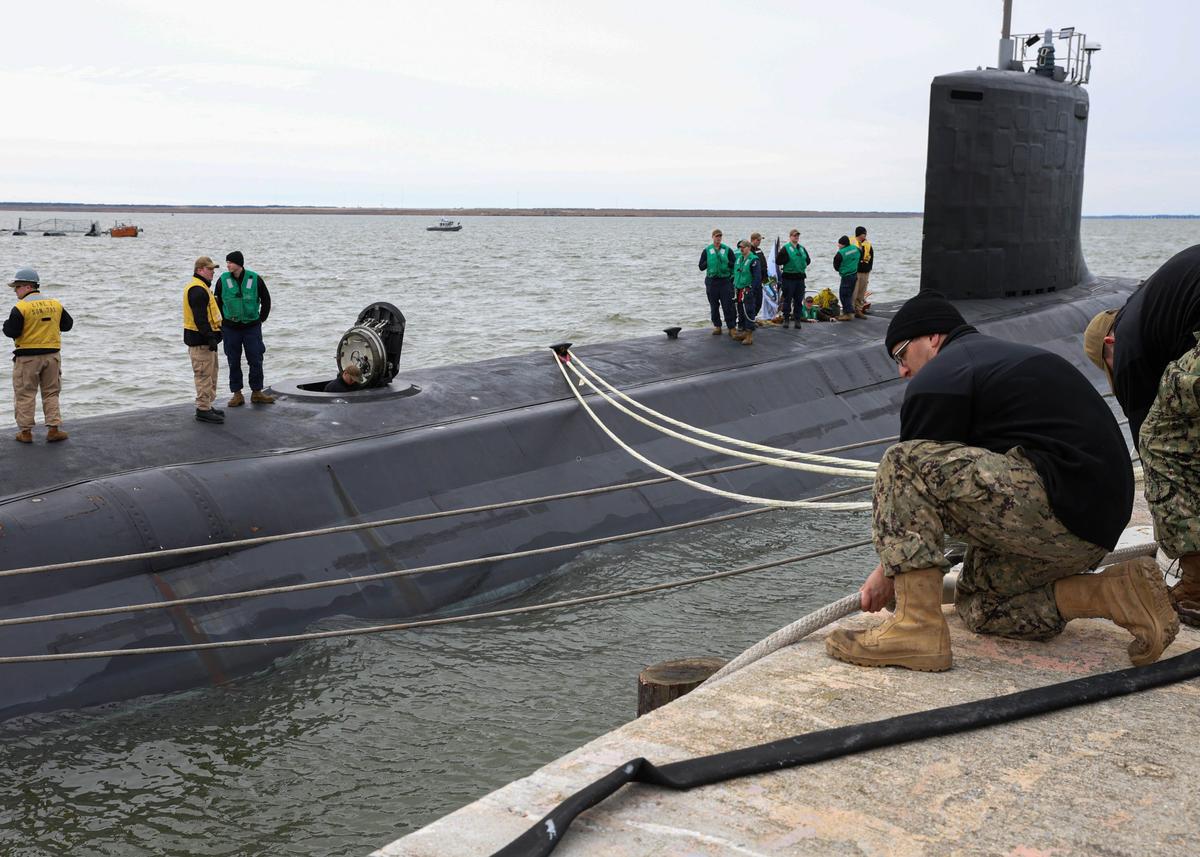
Launching the Newest Class of Shipbuilders
The Institute for Advanced Learning and Research’s Accelerated Training and Defense Manufacturing (ATDM) program in Danville, Virginia, is set to graduate roughly 1,000 skilled shipbuilders each year after opening a 100,000‑square‑foot facility in 2022. Since its 2021 launch, the four‑month...

People Investment Strategy
Oklahoma launched the Talent Accelerator, an employer‑led, performance‑based training program funded with a $6 million grant from the U.S. Department of Labor’s Industry‑Driven Skills Training Fund. The initiative aims to upskill 700 workers in aerospace, defense, advanced manufacturing and AI, offering...

Public-Private Workforce Training Takes Flight in Oklahoma
Oklahoma launched the Talent Accelerator in February, a performance‑based, employer‑led training program funded with a $6 million grant from the U.S. Department of Labor’s Industry‑Driven Skills Training Fund. The initiative targets high‑growth sectors such as aerospace, defense, advanced manufacturing and AI,...

A Pioneer of Apprenticeship Degrees Steps Into Healthcare
Reach University, a nonprofit that has trained roughly 3,800 teachers through apprenticeship degrees, is launching the nation’s first Apprenticeship College of Health in Washington state. The new program starts with a behavioral‑health track, offering a 25‑student cohort an associate of...

Work Shift and New America Launch Reporting Fellowship
Work Shift and New America’s Future of Work & Innovation Economy initiative have launched the Future of Work Reporting Fellowship, a year‑long program for early‑ and mid‑career journalists. Fellows receive a $5,000 stipend, expense budget, editorial coaching, data access and...

FOMO on Economic Mobility
The Burning Glass Institute and Schultz Family Foundation released the Where You Work Matters index, rating 1,750 U.S. employers on job quality, career advancement and retention. Twenty‑two firms—including General Motors, Liberty Mutual and Procter & Gamble—earned platinum or gold badges,...

One Million Apprentices? The Math Only Works if Women Are Included
The Trump administration’s pledge to register one million apprentices hinges on expanding the pipeline to include women, who currently represent only 14% of apprentices and just 1.5% in construction trades. Persistent gender wage gaps cost women three extra months of...

Corporate Leaders: Your Most Strategic Partner in Navigating the AI Talent Shift Is Right in Your Backyard
Corporate leaders face an AI talent gap that is a strategic problem, not a simple shortage. While nearly half of IT decision‑makers prioritize generative AI spending through 2025, most lack clear recruitment or upskilling plans. The article argues that higher‑education...