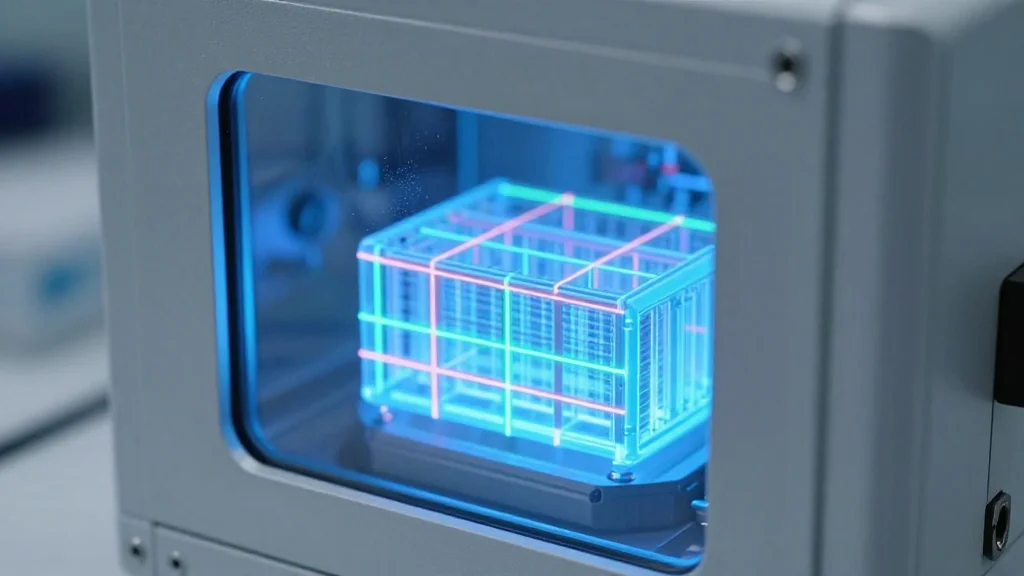
China Unveils First Superfast Quantum Memory, Tackling Data Bottleneck

Why It Matters
The QRAM breakthrough tackles a fundamental limitation that has hampered quantum computers from delivering practical speed‑ups on real‑world problems. By enabling rapid, random access to classical data, the technology bridges the gap between quantum processing power and the massive datasets required for applications like drug discovery, climate modeling, and financial analytics. This could accelerate the transition from experimental quantum devices to commercially viable systems, reshaping sectors that rely on big‑data analytics. Beyond technical impact, the development underscores China’s ambition to lead the entire quantum ecosystem, not just qubit research. A functional, high‑speed quantum memory could give Chinese hardware manufacturers a competitive edge, prompting a recalibration of global R&D investments and potentially influencing policy decisions around quantum technology funding and export controls.
Key Takeaways
- •Chinese team at Zhejiang University creates first superfast quantum random access memory (QRAM)
- •QRAM addresses critical data‑reading bottleneck in quantum computers
- •Enables faster access to classical data, essential for quantum speed‑up
- •Potential applications include drug discovery, fraud detection, and big‑data analytics
- •Positions China to compete across the full quantum hardware stack
Pulse Analysis
The QRAM announcement marks a strategic inflection point in the quantum hardware race. Historically, most breakthroughs have centered on qubit fidelity and error correction, leaving the memory layer under‑explored. By delivering a high‑speed interface, China is effectively completing a missing piece of the quantum stack, which could compress the timeline for end‑to‑end quantum solutions.
From a market perspective, the breakthrough may trigger a shift in venture capital flows. Investors who have traditionally funded qubit‑centric startups might now diversify into memory‑focused ventures, seeking to capture value from the next generation of quantum processors. Established chipmakers, especially those with cryogenic expertise, could also see new partnership opportunities with Chinese research institutions, accelerating cross‑border technology transfer despite geopolitical tensions.
Looking ahead, the real test will be integration. QRAM must prove its reliability under the noisy, low‑temperature conditions that quantum processors operate in. If scaling challenges are overcome, the technology could become a cornerstone of quantum‑ready cloud services, giving early adopters a decisive performance advantage. Conversely, if integration proves costly or technically prohibitive, the breakthrough may remain a laboratory curiosity, underscoring the importance of ecosystem development alongside raw hardware innovation.
China Unveils First Superfast Quantum Memory, Tackling Data Bottleneck
Comments
Want to join the conversation?
Loading comments...