Colorado School of Mines Launches First Undergraduate Quantum Systems Engineering Degree in the United States
•January 15, 2026
0
Companies Mentioned

Why It Matters
The program creates a pipeline of system‑level engineers, a talent class that industry leaders cite as a critical bottleneck for scaling quantum hardware. It positions the U.S. to accelerate commercialization of quantum technologies and strengthens the regional innovation ecosystem.
Key Takeaways
- •First U.S. undergraduate quantum systems engineering degree launched
- •Bridges gap between quantum research and commercial deployment
- •Curriculum blends physics, engineering, computer science, systems design
- •Includes year‑long industry‑sponsored capstone project
- •Supports regional quantum ecosystem via Elevate Quantum consortium
Pulse Analysis
The rapid expansion of quantum technologies has exposed a talent bottleneck that extends beyond pure physics. While most graduate programs churn out researchers, the industry increasingly needs engineers who can translate quantum phenomena into reliable products. Colorado School of Mines’ new Bachelor of Science in Quantum Systems Engineering directly addresses this shortage by offering the nation’s first undergraduate pathway focused on system-level expertise. By training students to handle hardware integration, control electronics, and data pipelines, the program creates a pipeline of ready‑to‑work engineers for a market projected to exceed $30 billion by 2030.
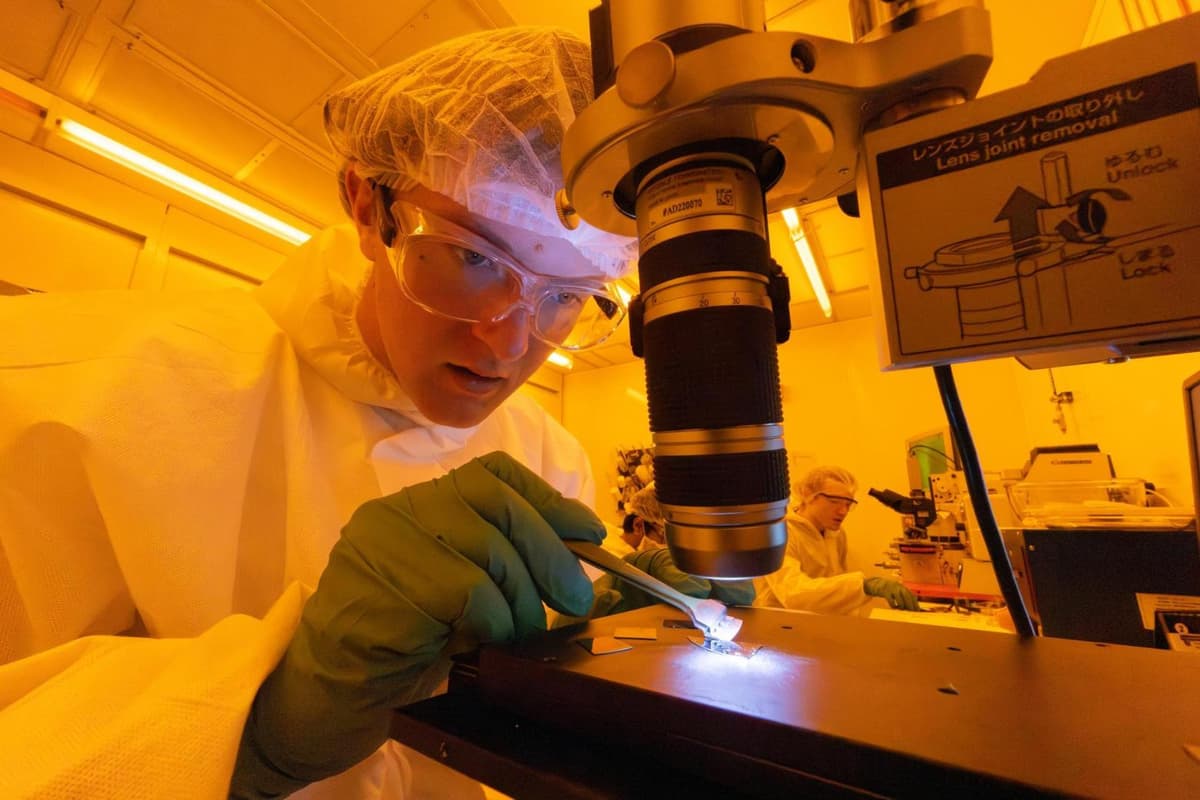
The curriculum is deliberately interdisciplinary, weaving together core physics, electrical and mechanical engineering, computer science, and systems design. Unlike traditional quantum physics majors that linger in theory, Mines requires hands‑on labs in embedded systems, cryogenic measurement, and coherent control, ensuring graduates can build and troubleshoot full quantum stacks. A standout element is the year‑long capstone, co‑funded by companies such as IonQ and Quantinuum, where students solve real‑world problems ranging from qubit packaging to error‑correction firmware. This experiential focus not only sharpens technical skills but also familiarizes students with industry standards and supply‑chain constraints.
The program is anchored in the Elevate Quantum consortium, a regional network of more than 120 firms across Colorado, New Mexico, and Wyoming. Access to the Quantum Commons fabrication hub gives students direct exposure to state‑of‑the‑art lithography and measurement equipment, accelerating startup formation and technology transfer. As companies like Atom Computing and Infleqtion cite system‑level engineers as a primary scaling hurdle, the inaugural class, arriving in Fall 2026, is poised to become a strategic talent pool that shortens product development cycles and strengthens the western United States’ position in the global quantum race.
Colorado School of Mines Launches First Undergraduate Quantum Systems Engineering Degree in the United States
0
Comments
Want to join the conversation?
Loading comments...