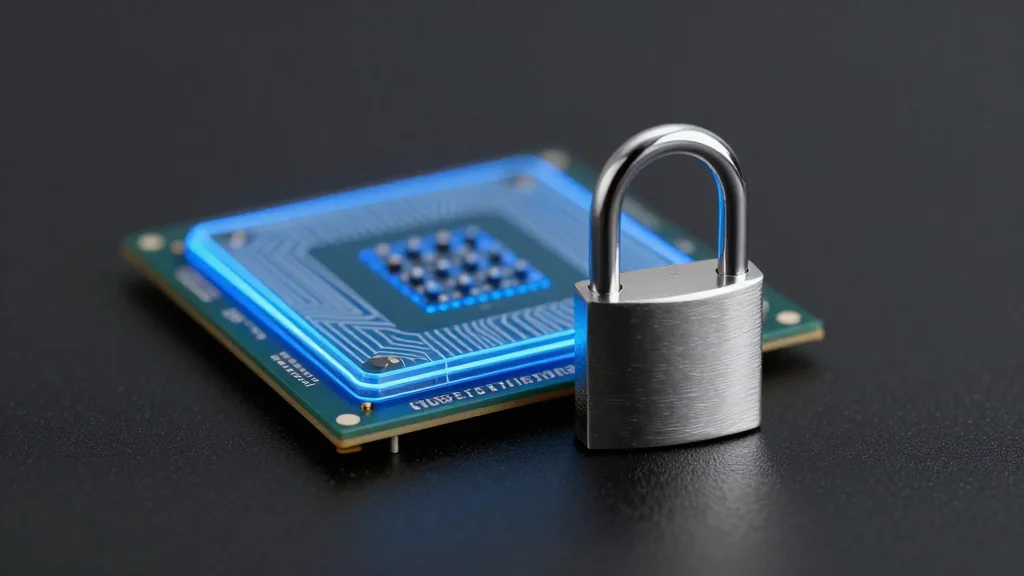
Cybercriminals Gear Up for ‘Q‑Day’: Quantum Threat Looms Over Global Encryption

Why It Matters
The impending ability of quantum computers to break RSA and elliptic‑curve cryptography threatens the foundational trust model of the internet. If adversaries can retroactively decrypt historic communications, the confidentiality of diplomatic negotiations, financial transactions and proprietary research could be irrevocably compromised. This risk is not abstract; it is already shaping threat‑actor behavior, as evidenced by the growing “harvest now, decrypt later” approach. Beyond corporate loss, the geopolitical dimension is profound. A state actor that masters quantum decryption first would gain unparalleled insight into the encrypted channels of rivals, potentially destabilizing deterrence frameworks and undermining intelligence‑sharing agreements. The urgency to transition to post‑quantum cryptography therefore becomes a matter of national security as much as commercial risk management.
Key Takeaways
- •Q‑Day is defined as the moment quantum computers can break RSA‑2048 and ECC encryption.
- •Cybercriminals are already stockpiling encrypted data for future quantum decryption.
- •Most enterprises still rely on legacy cryptography with low cybersecurity maturity.
- •NIST plans to release post‑quantum algorithm standards by 2025, leaving a narrow implementation window.
- •A quantum breakthrough by a geopolitical rival could expose historic diplomatic and financial communications.
Pulse Analysis
The quantum threat narrative has shifted from speculative to operational. Historically, post‑quantum cryptography was treated as a long‑term research agenda, but the emergence of data‑harvesting services signals a market for quantum‑ready decryption. This mirrors the ransomware evolution of the early 2010s, where threat actors monetized a nascent capability before defenses caught up. The key difference now is the systemic nature of the vulnerability: a single quantum breakthrough could invalidate the security of billions of devices, not just a handful of compromised servers.
From a competitive standpoint, firms that invest early in quantum‑resistant solutions stand to gain a strategic moat. Early adopters can lock in supply‑chain security, reassure regulators and avoid the costly retrofits that will follow a forced migration. Conversely, laggards risk regulatory penalties and loss of customer trust, especially in sectors like finance and health where data integrity is legally mandated. The market is likely to see a surge in post‑quantum services, from key‑generation as a service to quantum‑safe hardware modules, as vendors scramble to fill the emerging gap.
Policy makers must treat the quantum timeline as a hard deadline rather than a soft recommendation. Incentivizing rapid standards adoption—through tax credits, procurement mandates or public‑private research consortia—could compress the migration curve. Failure to act now risks a scenario where the first quantum decryption capability is wielded by a hostile actor, turning encrypted archives into open books and reshaping the global security architecture overnight.
Cybercriminals Gear Up for ‘Q‑Day’: Quantum Threat Looms Over Global Encryption
Comments
Want to join the conversation?
Loading comments...