How Spain Built a Quantum Ecosystem Without Calling It One
Companies Mentioned
Why It Matters
By aligning research, public capital and industry, Spain demonstrates a replicable model for achieving quantum sovereignty and accelerating commercial adoption across Europe, positioning the continent to compete in the global quantum race.
Key Takeaways
- •Spain allocated €808 M ($941 M) for quantum 2025‑2030 strategy.
- •Barcelona Supercomputing Center hosts world’s first multimodal quantum system.
- •Public funds de‑risking attracted international Series A/B investments in Spanish quantum firms.
- •Full‑stack Spanish companies now supply sovereign quantum hardware and software.
- •Regional hubs in Catalonia, Basque Country, Galicia drive nationwide ecosystem.
Pulse Analysis
Spain’s quantum ambition is anchored in a decade‑long strategy that blends €808 M ($941 M) of national funding with the EU’s Quantum Europe roadmap. Early investments in institutions such as ICFO and the Spanish National Research Council created a deep talent pool and a track record of European Research Council grants, giving the country credibility before the market buzz. By treating quantum as a public good, the government leveraged innovative procurement to place home‑grown hardware at the Barcelona Supercomputing Center, turning a research asset into a shared national infrastructure.
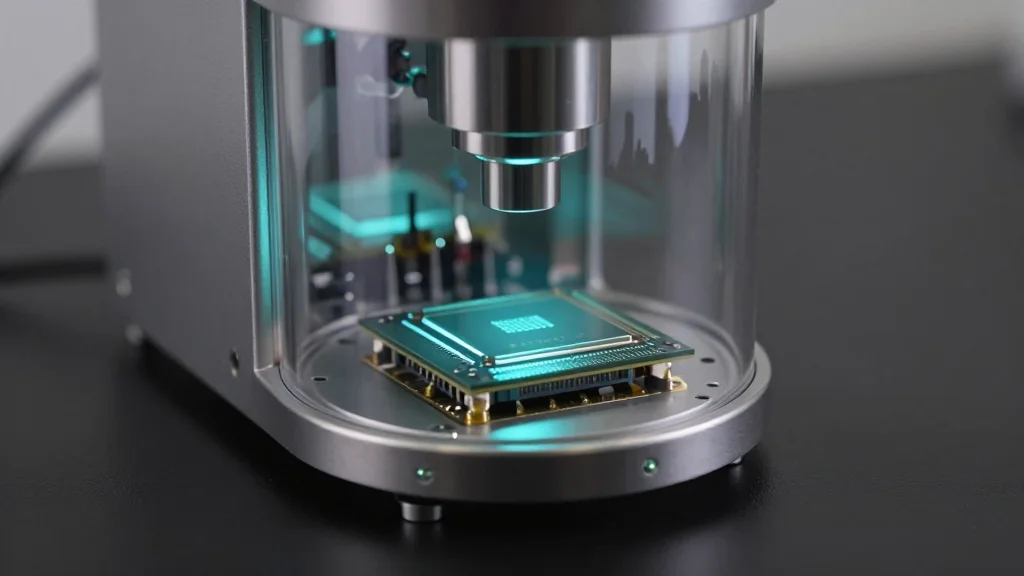
The multimodal quantum platform at BSC—two digital and one analog processor—illustrates how coordinated public capital can accelerate deployment. Public‑private co‑investment instruments from CDTI, ENISA, SETT and regional funds de‑risked early‑stage ventures, prompting international investors to lead Series A and B rounds. This financing cascade has birthed full‑stack firms like Qilimanjaro Quantum Tech, which design and manufacture sovereign quantum processors, and a suite of software and sensing startups that now serve banks, energy groups and telecom operators. Open access to the quantum systems fuels hybrid HPC‑quantum workflows, generating real‑world benchmarks and attracting academic users across Europe.
Beyond hardware, Spain’s ecosystem thrives on talent repatriation and regional specialization. Catalonia’s Vall de la Quántica initiative, backed by a €400 M ($465 M) lab‑to‑fab line, clusters research, spinoffs and skilled graduates, while the Basque Country and Galicia focus on software and HPC integration. This geographic diversification creates a resilient supply chain and a pipeline of skilled researchers returning from abroad. For Europe, Spain’s model offers a blueprint: align long‑term public funding, leverage EU mechanisms, and open strategic assets to industry, thereby turning quantum sovereignty from a political slogan into an operational advantage.
How Spain Built a Quantum Ecosystem Without Calling It One
Comments
Want to join the conversation?
Loading comments...