Why It Matters
The acceleration of quantum hardware and security technologies positions the industry to reshape high‑performance computing, data protection, and semiconductor manufacturing, creating new revenue streams and strategic advantages for early adopters.
Key Takeaways
- •Rigetti launches 108‑qubit superconducting processor for research and enterprise
- •IQM secures $55 million to accelerate quantum processor roadmap
- •SEALSQ targets CMOS‑compatible quantum chips for scalable manufacturing
- •Nokia demonstrates quantum‑safe network blueprint for Canadian telecom
- •Hybrid quantum‑classical stack unveiled to simplify developer access
Pulse Analysis
World Quantum Day underscored how quantum research is rapidly maturing into commercial products. Companies like Rigetti are scaling superconducting qubit counts, a critical metric for tackling problems beyond classical capabilities. Meanwhile, sizable capital inflows—exemplified by IQM’s $55 million raise—signal investor confidence that quantum processors will soon transition from proof‑of‑concept to revenue‑generating assets. This funding wave fuels not only hardware development but also the ecosystem of tools needed to integrate quantum accelerators with existing data‑center infrastructure.
Security implications are equally compelling. As quantum computers threaten current cryptographic standards, firms such as SEALSQ and Kaynes are building post‑quantum cryptography (PQC) chips, while telecom giant Nokia has validated a quantum‑safe network blueprint for Canada. These initiatives aim to future‑proof critical communications against quantum attacks, prompting governments and enterprises to adopt quantum‑resilient protocols. The convergence of hardware breakthroughs and cryptographic innovation is creating a new market for quantum‑secure solutions across finance, defense, and cloud services.
Perhaps the most transformative trend is the alignment of quantum devices with traditional semiconductor manufacturing. Efforts to develop CMOS‑compatible quantum architectures promise to leverage existing foundry capacity, dramatically lowering production costs and accelerating scale‑up. Hybrid quantum‑classical platforms, like the open stack from Quantum Machines, further lower entry barriers for developers, fostering a broader talent pool. As the industry bridges the gap between niche research labs and mass‑production fabs, quantum technology is poised to become a mainstream pillar of the next generation of computing and secure digital infrastructure.
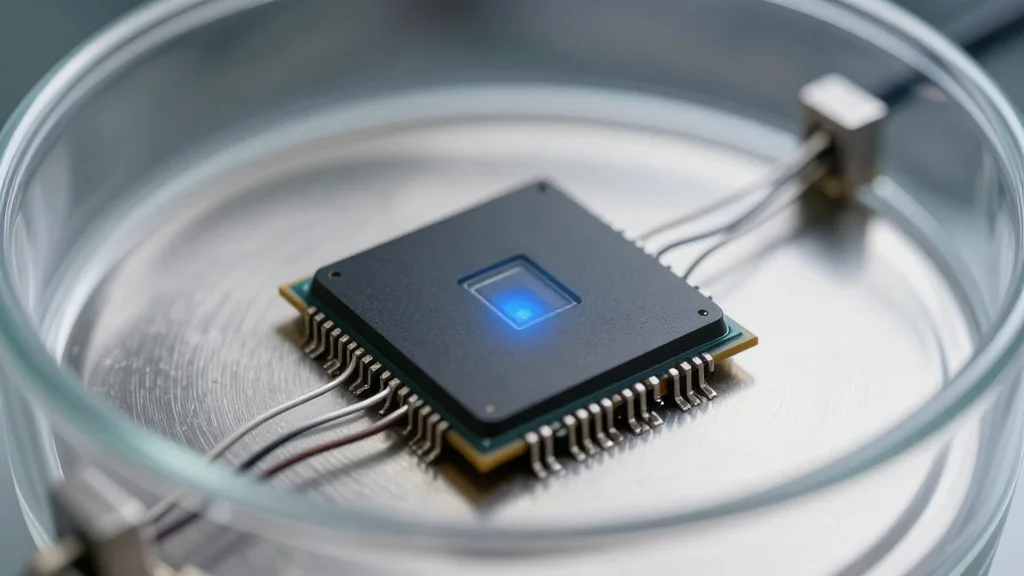
Key quantum innovations covered by eeNews Europe
Comments
Want to join the conversation?
Loading comments...