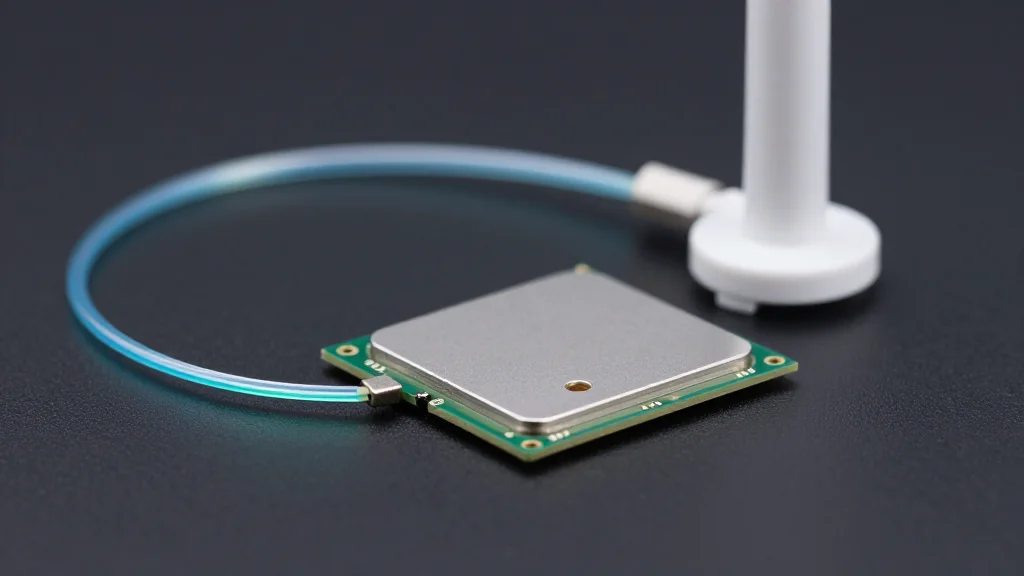
Monarch Quantum and Oratomic Announce Quantum Computing Partnership

Companies Mentioned
Why It Matters
The alliance accelerates the commercial rollout of fault‑tolerant quantum computers, lowering the qubit threshold needed for real‑world applications and reshaping the competitive landscape of the quantum‑tech market.
Key Takeaways
- •Monarch will integrate its Quantum Light Engines into Oratomic's neutral‑atom platforms
- •Goal: tens of thousands physical qubits, thousands logical qubits by 2030
- •Partnership cuts utility‑scale qubit requirement from ~1 million to ~20 k
- •Combines photonic control with fault‑tolerant neutral‑atom architecture
- •Aims to enable mass‑manufacturable, room‑temperature quantum computers
Pulse Analysis
The quantum computing sector has long been divided between competing hardware approaches. Integrated photonics offers high‑speed, low‑loss optical control, while neutral‑atom platforms promise scalable, room‑temperature qubit arrays. By uniting these modalities, Monarch Quantum and Oratomic create a hybrid architecture that leverages the strengths of both, potentially delivering the precision of photonic control alongside the massive qubit density of neutral atoms. This convergence reflects a broader industry trend toward multi‑technology solutions that can overcome the limitations of any single approach.
Under the partnership, Monarch will supply its Quantum Light Engines™ and oversee large‑scale manufacturing, effectively becoming Oratomic’s photonics integrator. The roadmap targets systems with tens of thousands of physical qubits by 2030—enough to support thousands of logical qubits after error correction. This represents a dramatic reduction from earlier estimates that projected a need for over a million qubits to achieve utility‑scale performance. By compressing the qubit count, the collaboration shortens development cycles, reduces capital expenditures, and brings commercial quantum services within reach of enterprise customers.
If successful, the joint effort could redefine the competitive dynamics of the quantum market. Companies that rely solely on superconducting circuits or trapped‑ion technologies may face pressure to adopt hybrid solutions or risk obsolescence. Moreover, the prospect of room‑temperature, mass‑manufacturable quantum computers opens new application domains—from complex materials simulation to real‑time optimization in logistics—where cost and scalability have been prohibitive. Investors and corporate strategists will be watching closely as the partnership moves from prototype to production, signaling a potential inflection point for the broader adoption of quantum computing.
Monarch Quantum and Oratomic Announce Quantum Computing Partnership
Comments
Want to join the conversation?
Loading comments...