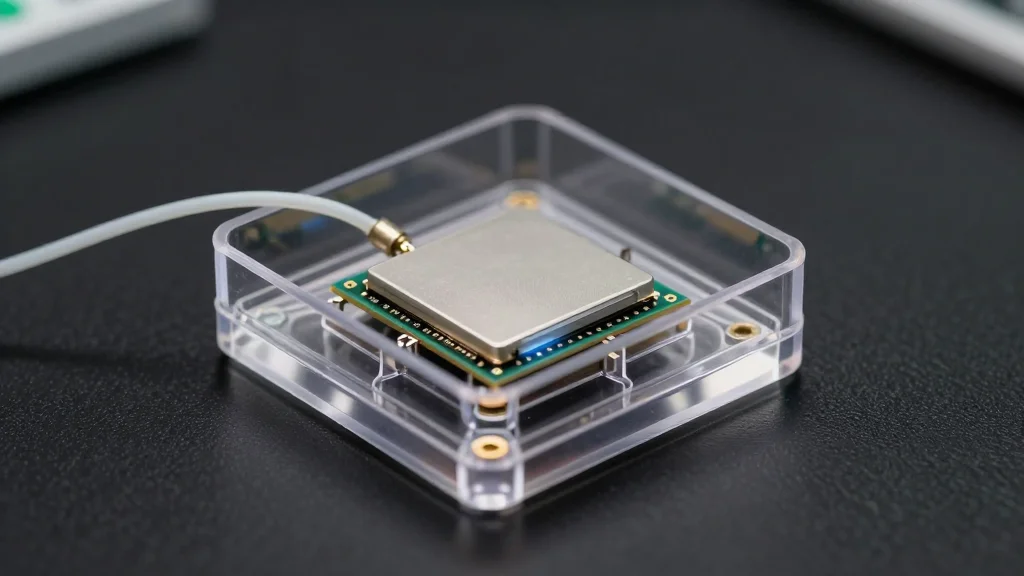
NSF Deploys $1.5 B X‑Labs Program to Fast‑Track Quantum and Sensing Technologies

Why It Matters
The X‑Labs initiative injects a substantial, flexible funding stream into a segment of the quantum ecosystem that has historically struggled to attract private capital: early‑stage hardware and sensing prototypes. By sidestepping the conventional peer‑review grant model, the program can accelerate the transition from laboratory proof‑of‑concept to market‑ready products, potentially shortening the timeline for quantum advantage in computing and sensing applications. Moreover, the emphasis on interconnects and integrated photonics addresses a critical scalability challenge, positioning the United States to lead in the next generation of hybrid quantum systems. If successful, X‑Labs could spawn a wave of spin‑out companies that attract venture funding, creating jobs, fostering a skilled workforce and reinforcing the domestic supply chain for quantum components. The program also signals to allies and competitors alike that the U.S. government is willing to experiment with novel funding mechanisms to maintain technological leadership in a field where geopolitical stakes are high.
Key Takeaways
- •$1.5 billion allocated over ten years for independent quantum and sensing research
- •Two initial tracks: quantum sensing/imaging and quantum interconnects/integrated photonics
- •Funding delivered via milestone‑based Other Transactions Agreements (OTAs)
- •Program designed to de‑risk technologies before private‑sector investment
- •First awards expected in early 2027, with rolling topic announcements thereafter
Pulse Analysis
The NSF X‑Labs program marks a strategic shift in how the U.S. government funds frontier technology. Traditional grant mechanisms reward academic publications, but they rarely produce market‑ready hardware. By adopting OTAs, NSF gains the ability to set clear performance milestones, enforce deliverables and reallocate resources quickly—attributes more common in venture capital than in federal R&D. This hybrid approach could become a template for future high‑impact programs in fields like AI, biotech and advanced materials.
Historically, quantum hardware development has been hampered by the "valley of death" between prototype and product. Private investors are wary of funding projects that lack a clear path to revenue, while academic labs lack the engineering focus needed for scale‑up. X‑Labs directly addresses this gap, offering a ten‑year runway that can sustain teams through multiple development cycles. If the milestone framework proves effective, it could encourage other agencies to adopt similar models, potentially reshaping the federal research landscape.
From a competitive standpoint, the initiative is a clear response to China’s aggressive quantum funding, which includes state‑backed labs and direct industry subsidies. By fostering independent, entrepreneurially minded teams, the U.S. aims to create a more agile ecosystem capable of rapid innovation. The success of X‑Labs will hinge on the quality of the awarded teams, the rigor of milestone verification, and the ability of the program to attract follow‑on private capital. Should those elements align, the initiative could accelerate the U.S. timeline for achieving practical quantum advantage and solidify its leadership in both computing and sensing domains.
NSF Deploys $1.5 B X‑Labs Program to Fast‑Track Quantum and Sensing Technologies
Comments
Want to join the conversation?
Loading comments...