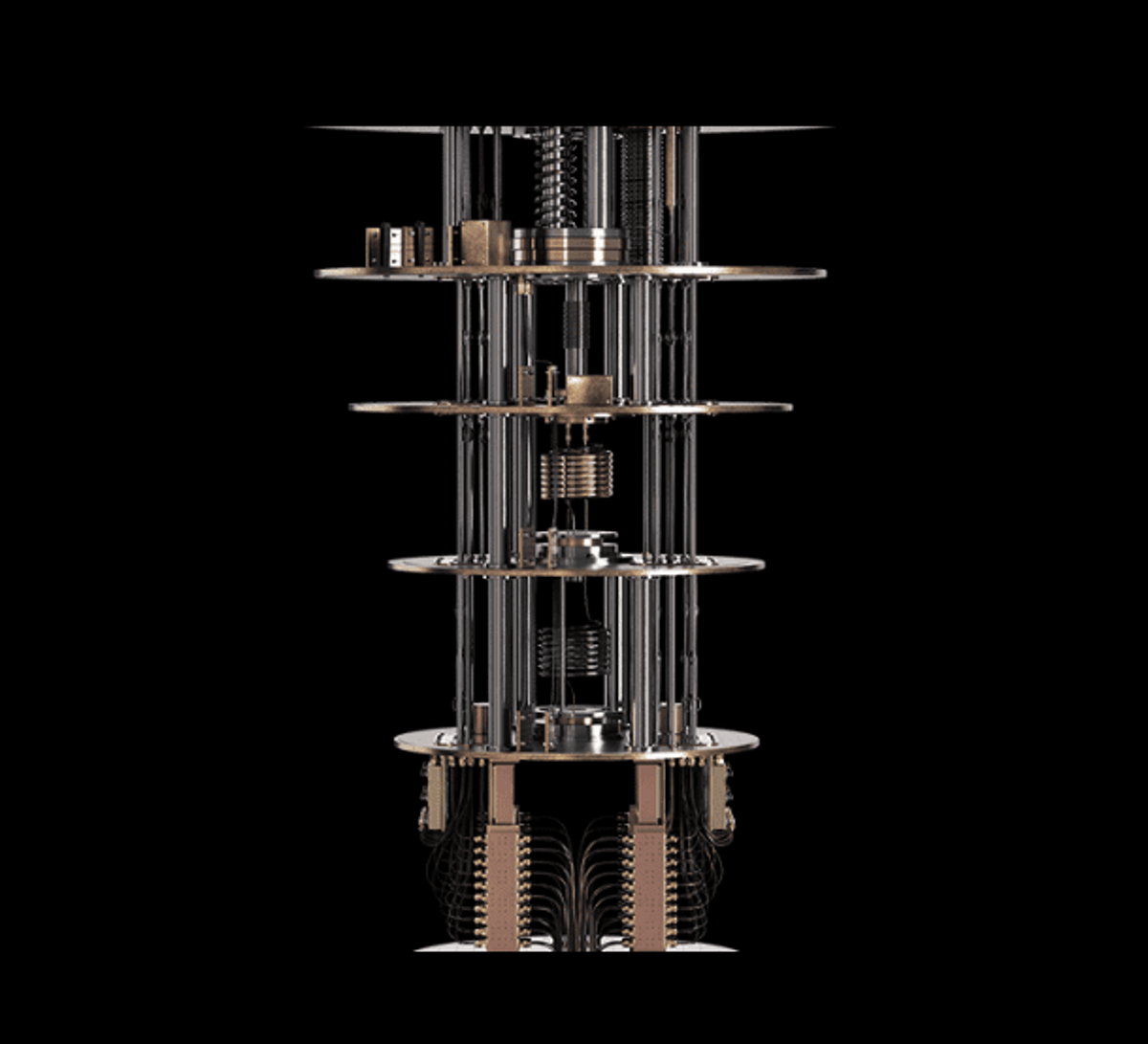
OQC Demonstrates Quantum Algorithm on Toshiko System, Boosting Defence Network Resilience
•February 10, 2026
0
Why It Matters
The breakthrough proves quantum optimisation can enhance national‑security network planning, giving defence agencies a new tool to pre‑empt cyber‑threats. It positions the UK and its partners at the forefront of quantum‑enabled cyber resilience.
Key Takeaways
- •Quantum algorithm identified critical MANET nodes
- •OQC’s Toshiko runs algorithm on sovereign hardware
- •Demonstration validates quantum advantage for defence
- •UK gains lead in quantum‑enabled cyber resilience
- •Distributed quantum servers ensure data sovereignty
Pulse Analysis
Mobile ad‑hoc networks (MANETs) are the backbone of modern military and emergency communications, operating without fixed infrastructure and constantly reconfiguring to meet tactical demands. Their fluid topology makes traditional vulnerability assessments cumbersome and often incomplete. Quantum computing, with its ability to evaluate combinatorial optimisation problems in parallel, offers a fundamentally new approach to mapping these networks. By framing resilience as an optimisation task, quantum processors can explore a vastly larger solution space than classical algorithms, uncovering hidden single‑point failures that could cripple mission‑critical links.
The joint demonstration by Oxford Quantum Circuits (OQC) and QinetiQ integrated QinetiQ’s Quantum Approximation Optimisation Algorithm (QAOA) with OQC’s Toshiko processor to pinpoint the most disruptive nodes in a simulated MANET. The quantum run identified a small subset of vertices whose removal would fragment the network, confirming the algorithm’s predictive power. Results also highlighted current hardware constraints, such as qubit coherence times, while providing a benchmark for future improvements. This proof‑of‑concept shows that quantum‑driven analytics can move from theory to actionable intelligence for defence planners.
Beyond the technical win, OQC’s deployment of sovereign quantum computers in London, Tokyo and New York underscores a strategic shift toward localized, secure quantum services. By hosting hardware within partner jurisdictions, providers mitigate supply‑chain risks and comply with national security regulations, a critical factor for defence customers. The successful MANET test is likely to accelerate procurement cycles and stimulate competition among emerging quantum vendors seeking similar sovereign footprints. As governments prioritize resilient communications, quantum‑enhanced network analysis could become a standard component of cyber‑defence toolkits, driving further investment in both hardware scalability and algorithmic refinement.
OQC Demonstrates Quantum Algorithm on Toshiko System, Boosting Defence Network Resilience
0
Comments
Want to join the conversation?
Loading comments...