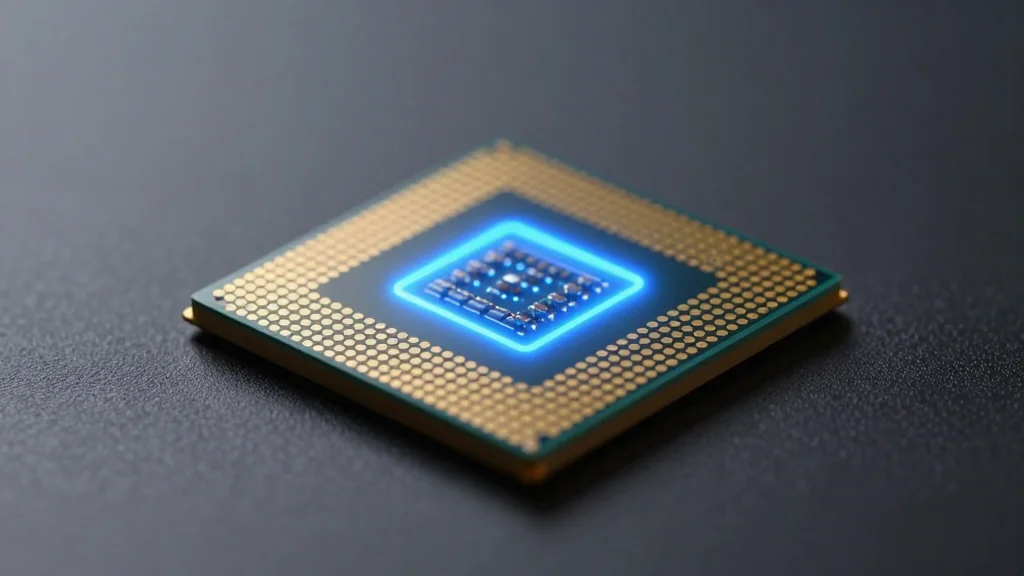
ParityQC Executes Record 52‑Qubit Quantum Fourier Transform on IBM Heron

Why It Matters
The achievement demonstrates that algorithmic ingenuity can offset hardware limitations, a crucial insight as the quantum industry navigates the NISQ era. By cutting routing overhead, ParityQC’s method directly improves the reliability of complex algorithms, narrowing the gap between theoretical quantum advantage and practical implementation. This could accelerate the timeline for quantum‑enhanced solutions in cryptography, drug discovery, and materials design, where high‑fidelity QFTs are a prerequisite. Moreover, the success on IBM’s publicly accessible cloud hardware validates the viability of open‑access quantum computing for cutting‑edge research. It signals to investors and corporate R&D teams that meaningful progress does not require proprietary chips, potentially broadening the pool of stakeholders willing to fund quantum software development.
Key Takeaways
- •ParityQC executed a 52‑qubit Quantum Fourier Transform on IBM’s Heron r3 processor
- •The Parity Twine method eliminates most SWAP‑based routing, reducing gate count and depth
- •Fidelity improvements outperformed Qiskit‑generated circuits at the 52‑qubit scale
- •Result nearly doubles the previous QFT benchmark set on trapped‑ion hardware
- •ParityQC plans a Qiskit plugin release in Q4 2026 to enable broader adoption
Pulse Analysis
ParityQC’s record QFT run underscores a growing trend: software-level breakthroughs are becoming as pivotal as hardware advances in the quantum race. Historically, progress has been measured by qubit count, but the diminishing returns of simply adding qubits have pushed researchers toward smarter circuit compilation. Parity Twine’s parity‑centric paradigm is a textbook example of this shift, turning a connectivity bottleneck into a computational asset.
From a market perspective, the development could reshape the competitive dynamics between quantum hardware vendors and software startups. IBM’s open cloud platform already offers a testbed for such innovations, but the onus now lies on software firms to deliver tools that extract maximum performance. If ParityQC’s upcoming Qiskit plugin gains traction, it could become a de‑facto standard for routing‑efficient algorithms, compelling other hardware providers to reconsider their qubit layout strategies to better accommodate parity‑based computation.
Looking ahead, the real test will be whether the parity approach scales beyond 100 qubits without re‑introducing prohibitive error rates. Success on IBM’s next‑generation Eagle processor would cement parity‑based methods as a cornerstone of NISQ‑era algorithm design, potentially accelerating the transition to fault‑tolerant quantum computing. Until then, the 52‑qubit QFT stands as a tangible benchmark that the community will use to gauge future progress.
ParityQC Executes Record 52‑Qubit Quantum Fourier Transform on IBM Heron
Comments
Want to join the conversation?
Loading comments...