Quantum Computing Digest — Q1 2018
•February 5, 2026
0
Companies Mentioned


Why It Matters
These developments mark a decisive shift toward commercial viability and national security, accelerating investment in hardware, standards and talent needed for the next wave of quantum applications.
Key Takeaways
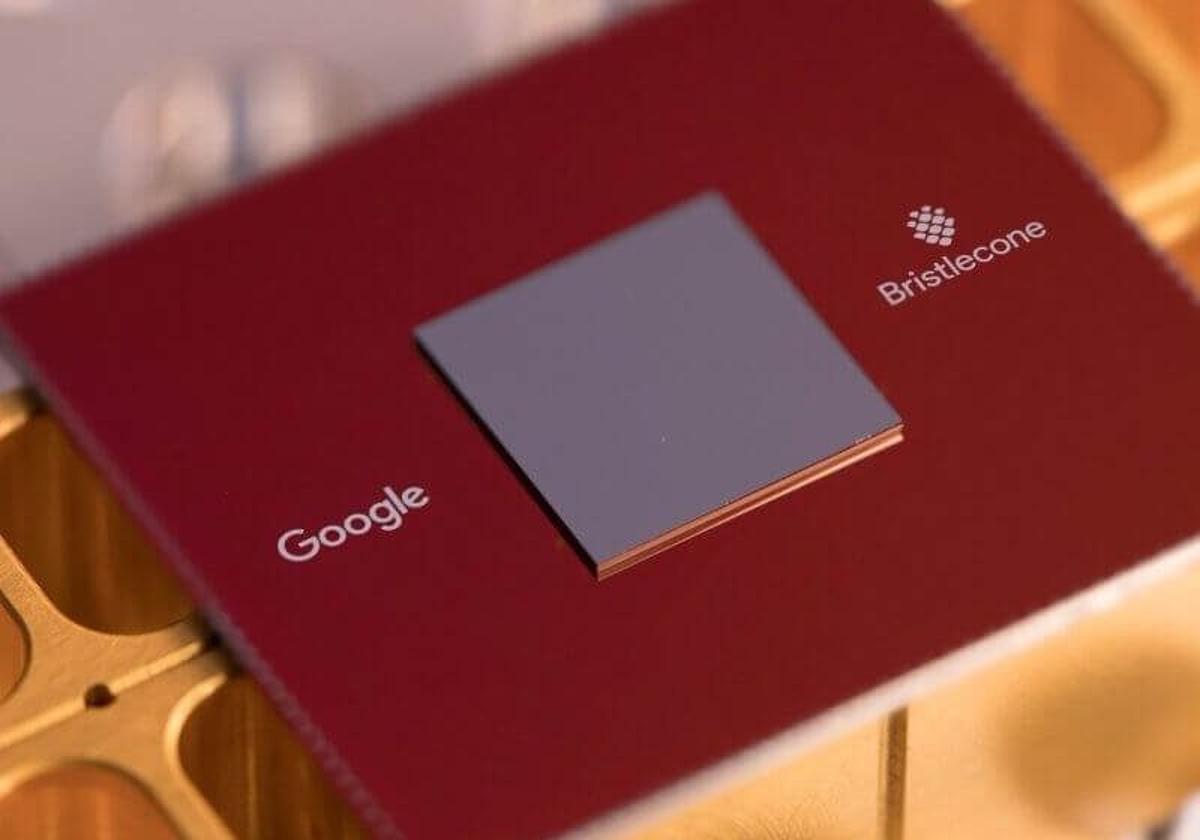
- •Google unveiled 72‑qubit Bristlecone, targeting quantum supremacy
- •Intel released 49‑qubit Tangle Lake silicon‑spin chip
- •Alibaba offered 11‑qubit quantum processor via public cloud
- •NIST opened first round for post‑quantum cryptography algorithms
- •Canada, US, China, India increased quantum research funding
Pulse Analysis
The hardware race intensified in early 2018 as industry giants unveiled increasingly complex qubit arrays. Google’s Bristlecone, with its 72 qubits, was positioned as a stepping stone toward quantum supremacy, while Intel’s Tangle Lake highlighted the promise of silicon‑based spin qubits for scalable manufacturing. Alibaba’s cloud‑based 11‑qubit system democratized access, allowing developers worldwide to experiment with quantum algorithms without owning specialized equipment. This diversification of platforms—superconducting, silicon‑spin, and cloud services—signaled a maturing ecosystem where competition drives rapid innovation and lowers entry barriers for enterprises.
Simultaneously, the cryptographic community confronted the looming threat of quantum attacks. NIST’s first round of post‑quantum algorithm submissions attracted dozens of candidates, catalyzing a global shift toward quantum‑resistant security protocols. Vendors such as ISARA responded with ready‑to‑deploy toolkits, enabling organizations to begin migration planning despite the absence of large‑scale quantum computers. The “harvest‑now, decrypt‑later” narrative gained traction, prompting sectors like finance and defense to prioritize quantum‑safe encryption as a strategic risk‑management measure.
National governments recognized quantum technology as a strategic asset, channeling billions into research hubs, academic institutes, and quantum‑network pilots. Canada’s C$15 million boost to Waterloo’s Institute for Quantum Computing and the U.S. Department of Energy’s formal entry into the field exemplify a broader policy trend toward coordinated funding and talent pipelines. Parallel advances in quantum communication—such as satellite‑based key distribution and topological material research—laid groundwork for future secure networks. Coupled with expanding software stacks from Microsoft and industry collaborations, these investments set the stage for a decade where quantum advantage becomes a competitive differentiator across sectors.
Quantum Computing Digest — Q1 2018
0
Comments
Want to join the conversation?
Loading comments...