Singapore Budget 2026: S$37 Billion (US$29.3 Billion) RIE 2030 Plan Anchors Quantum as a Strategic Pillar
•February 14, 2026
0
Why It Matters
The funding positions Singapore as a global quantum hub, accelerating commercialization and attracting talent, while reinforcing its broader innovation ecosystem.
Key Takeaways
- •Singapore allocates S$37 bn to RIE 2030 plan
- •Quantum flagged as strategic pillar for national growth
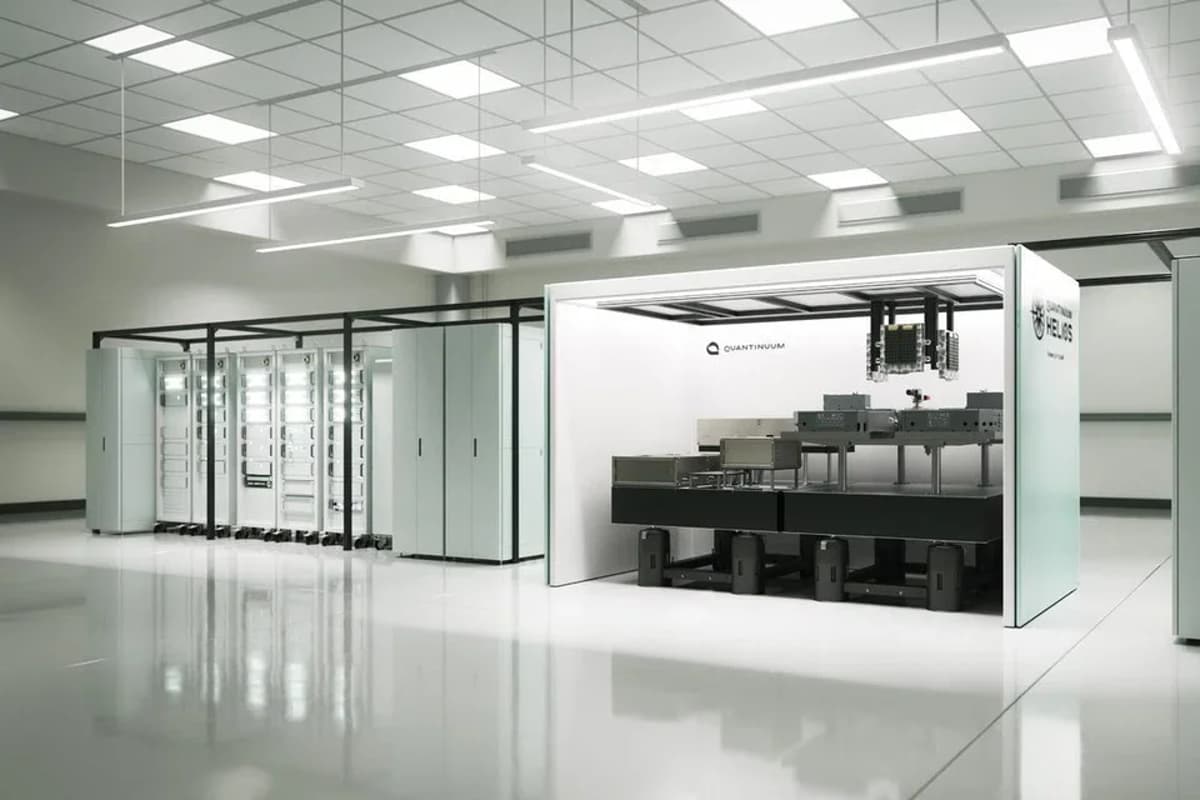
- •Quantinuum's Helios trapped‑ion computer to arrive 2026
- •Qolab partners with local firms on superconducting qubits
- •Investment keeps R&D at ~1% of GDP
Pulse Analysis
Singapore’s record‑breaking RIE 2030 budget signals a decisive shift toward quantum‑centric economic development. By earmarking S$37 billion over five years, the government not only sustains its 1%‑of‑GDP R&D commitment but also creates a fiscal runway for high‑risk, high‑reward technologies. The inclusion of quantum as a strategic pillar reflects a broader trend among advanced economies to secure early mover advantages in a field poised to disrupt sectors ranging from finance to pharmaceuticals.
The deployment of Quantinuum’s Helios system marks the first non‑U.S. installation of a trapped‑ion processor, offering Singaporean researchers on‑shore, low‑latency access to one of the world’s most powerful quantum platforms. This move is expected to catalyze a wave of applied research, particularly in algorithm development for portfolio optimization and molecular simulation. By situating the hardware locally, Singapore reduces reliance on cloud‑based quantum services, fostering a domestic ecosystem of startups and academic labs that can iterate faster and protect intellectual property more effectively.
Equally significant is the collaboration with Qolab and Nobel laureate John Martinis, which bridges Singapore’s established semiconductor manufacturing base with frontier superconducting qubit research. This partnership targets the scaling and coherence challenges that have limited superconducting quantum computers, potentially accelerating the transition from prototype to commercial‑grade devices. Together, these initiatives create a virtuous cycle: government funding fuels hardware deployment, which in turn attracts talent and private investment, reinforcing Singapore’s ambition to become a leading global quantum innovation hub.
Singapore Budget 2026: S$37 Billion (US$29.3 Billion) RIE 2030 Plan Anchors Quantum as a Strategic Pillar
0
Comments
Want to join the conversation?
Loading comments...