South Carolina Establishes University-Led Applied Quantum Projects in Transition to Execution Phase
•February 4, 2026
0
Companies Mentioned

Why It Matters
The initiative positions South Carolina as a regional hub for practical quantum applications, accelerating industry adoption and strengthening economic competitiveness. It also addresses critical infrastructure resilience and workforce development, essential for long‑term quantum ecosystem sustainability.
Key Takeaways
- •$15 million state funding launches university quantum labs
- •USC's AQSEL targets grid monitoring with quantum sensors
- •Clemson's AQRII benchmarks hybrid quantum algorithms for industry
- •SC‑Q‑Sentinel applies quantum AI to smart‑city cybersecurity
- •Visiting Scholars Program builds sustained quantum talent pipeline
Pulse Analysis
South Carolina’s decision to shift quantum strategy execution to its flagship universities reflects a broader national trend of leveraging academic research ecosystems for rapid technology commercialization. By allocating $15 million directly to the University of South Carolina and Clemson University, the state bypasses bureaucratic delays and taps into existing engineering and computer‑science expertise. This model mirrors successful initiatives in other states where university labs serve as incubators for industry‑ready quantum solutions, fostering a tighter feedback loop between research breakthroughs and market needs.
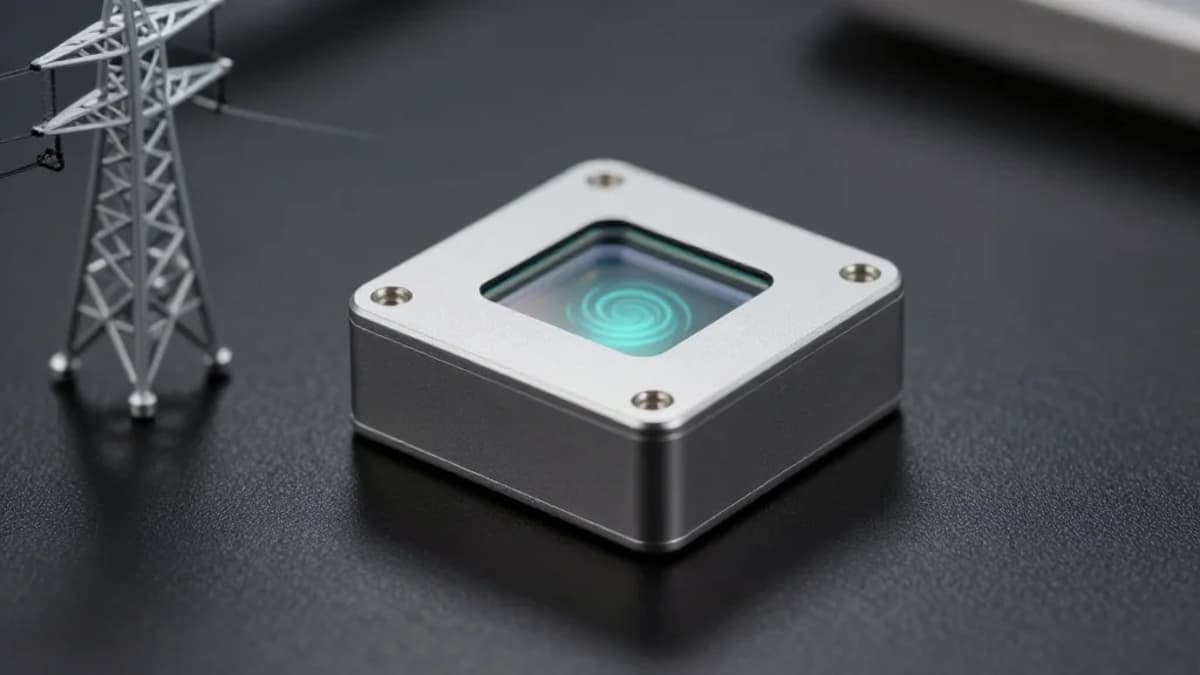
The labs themselves target three high‑impact domains: energy infrastructure, industrial optimization, and municipal cybersecurity. USC’s Applied Quantum for Space and Energy Lab (AQSEL) combines quantum sensing with satellite data to detect grid anomalies before they cascade, promising cost savings and enhanced reliability for utilities. Clemson’s AQRII and ScaLab projects address the performance gap of near‑term quantum hardware by benchmarking hybrid algorithms and refining compilation pipelines, directly supporting South Carolina firms eager to pilot quantum‑enhanced optimization. Meanwhile, the SC‑Q‑Sentinel initiative leverages quantum‑enhanced artificial intelligence to safeguard smart‑city networks against emerging cryptographic threats, positioning the state’s municipalities as early adopters of quantum‑grade security.
Beyond technology, the Visiting Scholars Program tackles the talent bottleneck that often hampers regional quantum ambitions. By hosting senior researchers for multi‑year residencies, the program accelerates curriculum development, mentorship, and cross‑disciplinary collaboration, ensuring a pipeline of skilled graduates ready for industry roles. This sustained knowledge transfer not only strengthens local universities but also attracts corporate partners seeking a ready workforce. As quantum hardware matures, South Carolina’s integrated approach—combining funding, applied research, and talent development—could serve as a replicable blueprint for other states aiming to translate quantum potential into economic growth.
South Carolina Establishes University-Led Applied Quantum Projects in Transition to Execution Phase
0
Comments
Want to join the conversation?
Loading comments...