The New Threat IBM's Quantum Computing Research Poses to D-Wave
Why It Matters
IBM’s hybrid architecture lowers adoption barriers for quantum computing while its strong balance sheet enables sustained investment, threatening D‑Wave’s market relevance.
Key Takeaways
- •IBM unveiled quantum‑centric hybrid supercomputing architecture
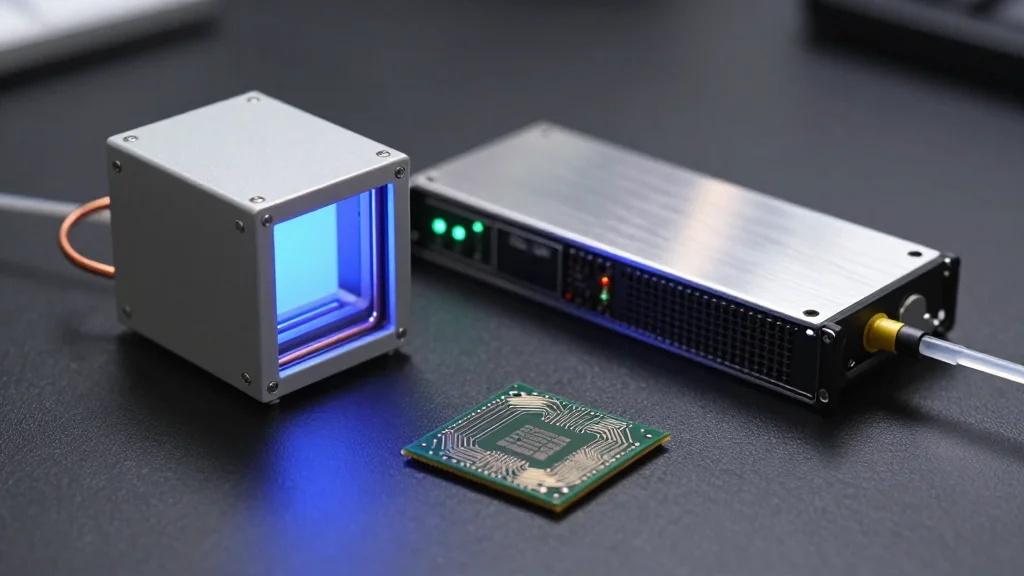
- •Hybrid model integrates quantum chips with CPUs and GPUs
- •IBM reported $14.7B free cash flow, 9% revenue growth
- •IBM shares down 15% YTD, analysts forecast 8% earnings rise
- •D‑Wave’s annealing focus limits profitability versus IBM’s diversified portfolio
Pulse Analysis
The quantum‑centric hybrid supercomputing reference architecture unveiled by IBM in March 2025 marks a strategic shift from isolated quantum processors to integrated systems that blend qubits with classical CPUs and GPUs. By positioning quantum hardware as an accelerator within existing data‑center stacks, IBM addresses the long‑standing adoption barrier that has kept many enterprises skeptical. Early collaborations with the Cleveland Clinic and Japan’s RIKEN already demonstrate accelerated molecular simulations, suggesting that the hybrid model can deliver tangible scientific value while preserving the flexibility of conventional workloads.
Beyond the technical breakthrough, IBM’s financial muscle reinforces its competitive edge. The company posted a record $14.7 billion free cash flow in 2025 and a 9 % revenue increase in Q4, underscoring a robust cash position that can fund long‑term quantum R&D without jeopardizing shareholder returns. Although the stock has slipped more than 15 % YTD amid AI headwinds, analysts project an 8 % earnings uplift and up to 30 % upside, making IBM an attractive play for investors seeking exposure to both legacy IT services and emerging quantum capabilities.
For pure‑play firms like D‑Wave, IBM’s move intensifies pressure on a niche that relies on quantum annealing for optimization problems. D‑Wave’s focus on specialized hardware has yielded limited commercial traction, while IBM’s hybrid approach opens doors to a broader set of applications, from drug discovery to materials engineering. Nevertheless, the two models are not mutually exclusive; the market may accommodate both gate‑model and annealing solutions as use cases diversify. The decisive factor will be which company can translate laboratory successes into scalable, revenue‑generating products.
The New Threat IBM's Quantum Computing Research Poses to D-Wave
Comments
Want to join the conversation?
Loading comments...