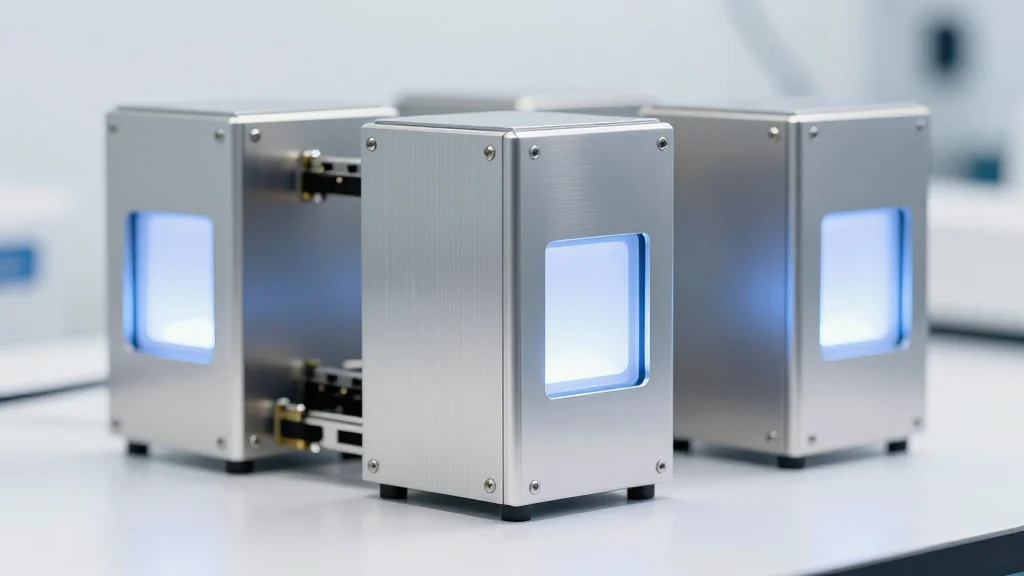
TreQ Launches Open‑Architecture Multi‑Vendor Quantum Testbed with Eight Configurations

Companies Mentioned
Why It Matters
The OAQ testbed marks a tangible step toward modular quantum computing, a paradigm that could lower barriers to entry for universities, startups and large enterprises seeking to experiment with diverse hardware. By standardizing interfaces, TreQ reduces the risk of vendor lock‑in and enables a more dynamic market where best‑in‑class components can be swapped as they mature, accelerating overall progress in the quantum ecosystem. If the model proves scalable, it could reshape procurement strategies across the sector, prompting governments and private investors to fund shared testbeds rather than isolated, proprietary labs. This shift would concentrate expertise, drive interoperability standards, and potentially shorten the timeline for quantum advantage in real‑world applications.
Key Takeaways
- •TreQ deployed an Open‑Architecture Quantum testbed supporting eight configurable QPU‑control‑software stacks.
- •The system was built and commissioned in three months under Innovate UK’s Quantum Mission Pilot.
- •Mandy Birch (TreQ CEO) highlighted the need for rigorous systems engineering beyond component assembly.
- •Open‑source interface specification adopted by Q‑CTRL and Qruise enables low‑friction subsystem interchange.
- •The testbed aims to extend hardware lifecycles and improve ROI by allowing software‑driven reconfiguration.
Pulse Analysis
TreQ’s rapid delivery of a multi‑vendor, open‑architecture testbed underscores a maturing quantum supply chain that is beginning to resemble the modular ecosystems seen in classical computing. Historically, quantum hardware development has been siloed, with each vendor delivering a monolithic stack that forces customers to commit to a single technology path. By decoupling the processor, control electronics and calibration software, TreQ not only mitigates that risk but also creates a sandbox where comparative performance data can be gathered at scale. This data is invaluable for both academia and industry, as it informs investment decisions and accelerates the identification of the most promising qubit technologies.
The strategic involvement of established players like Rigetti and Q‑CTRL signals industry endorsement of the open‑architecture model. Their participation lends credibility to the testbed’s engineering approach and suggests that larger vendors are willing to expose their hardware to a shared environment, provided that robust interface standards protect IP and ensure performance integrity. This collaborative stance could catalyze a wave of similar initiatives, especially as government programs worldwide look to maximize the impact of limited quantum research budgets.
Looking ahead, the testbed’s success will hinge on its ability to maintain performance parity with dedicated, single‑vendor systems while delivering the promised flexibility. If TreQ can demonstrate that interchangeable components do not compromise fidelity or latency, the model could become the default for quantum test facilities, reshaping procurement, fostering competition, and ultimately speeding the arrival of practical quantum advantage across sectors ranging from materials science to cryptography.
TreQ Launches Open‑Architecture Multi‑Vendor Quantum Testbed with Eight Configurations
Comments
Want to join the conversation?
Loading comments...