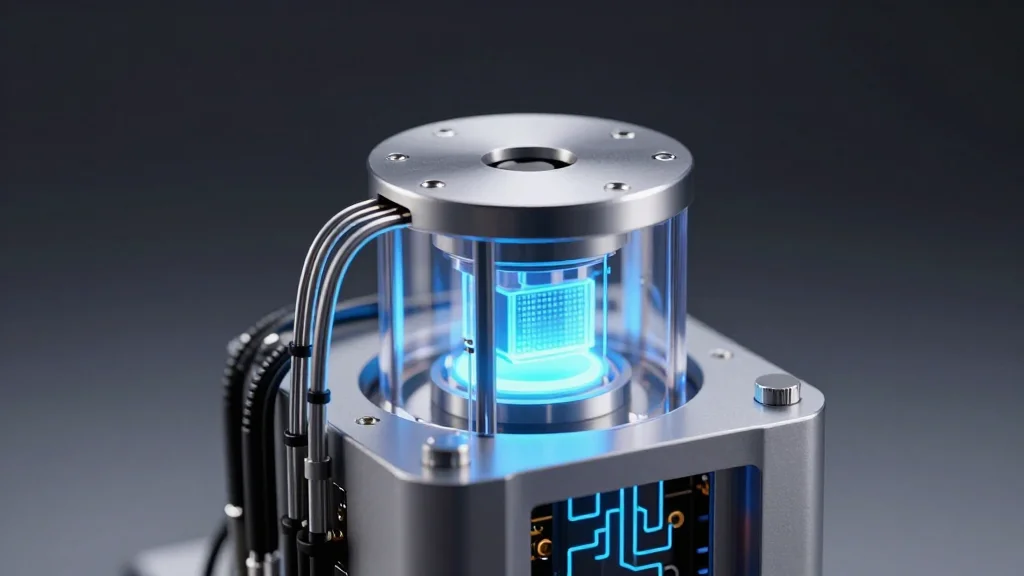
What Changes as Quantum Computing Moves From Prototypes to Commercial Production
Companies Mentioned
Why It Matters
Without RAS‑focused designs, quantum systems risk costly downtime that can cripple mission‑critical enterprise workloads, slowing broader adoption of the technology. Vendors that master production‑grade reliability will capture the emerging high‑value quantum services market.
Key Takeaways
- •Enterprise quantum systems require 99.9% uptime SLA.
- •Modular FRUs enable rapid field repairs at remote sites.
- •Vendors must stock spare parts regionally for quick replacements.
- •Secure telemetry allows proactive health monitoring of quantum hardware.
- •SOC 2 Type 2 certification mitigates integration cybersecurity risks.
Pulse Analysis
The quantum computing sector is at a pivotal inflection point as machines graduate from research labs to customer data centers. While headlines still chase qubit counts and error‑correction breakthroughs, the real differentiator for commercial success is the adoption of RAS principles that have long underpinned mainframe and cloud infrastructure. Enterprises now expect quantum processors to behave like any other critical asset—delivering near‑continuous availability, predictable performance, and swift fault resolution—forcing hardware makers to redesign systems for production environments.
To meet these expectations, vendors are embedding classical‑IT best practices into their quantum offerings. Service level agreements now stipulate specific uptime percentages, while strategic inventories of modular field‑replaceable units (FRUs) and redundant subsystems enable rapid on‑site repairs without prolonged outages. Remote telemetry provides continuous health data, allowing manufacturers to anticipate failures before they impact workloads. Security concerns are equally paramount; integrating quantum processors with existing IT stacks introduces new attack surfaces, prompting providers to pursue SOC 2 Type 2 certification and hardened communication protocols to safeguard enterprise networks.
The operational shift carries profound market implications. Companies that invest in RAS‑centric engineering and hire talent with classical data‑center experience will gain a competitive edge, attracting early adopters seeking reliable quantum‑as‑a‑service solutions. Conversely, customers must scrutinize vendor roadmaps for concrete deployment plans, spare‑part logistics, and compliance certifications before committing capital. As reliability standards mature, the quantum ecosystem is poised to transition from experimental novelty to a mainstream compute layer, unlocking new business models across finance, pharmaceuticals, and logistics.
What Changes as Quantum Computing Moves from Prototypes to Commercial Production
Comments
Want to join the conversation?
Loading comments...