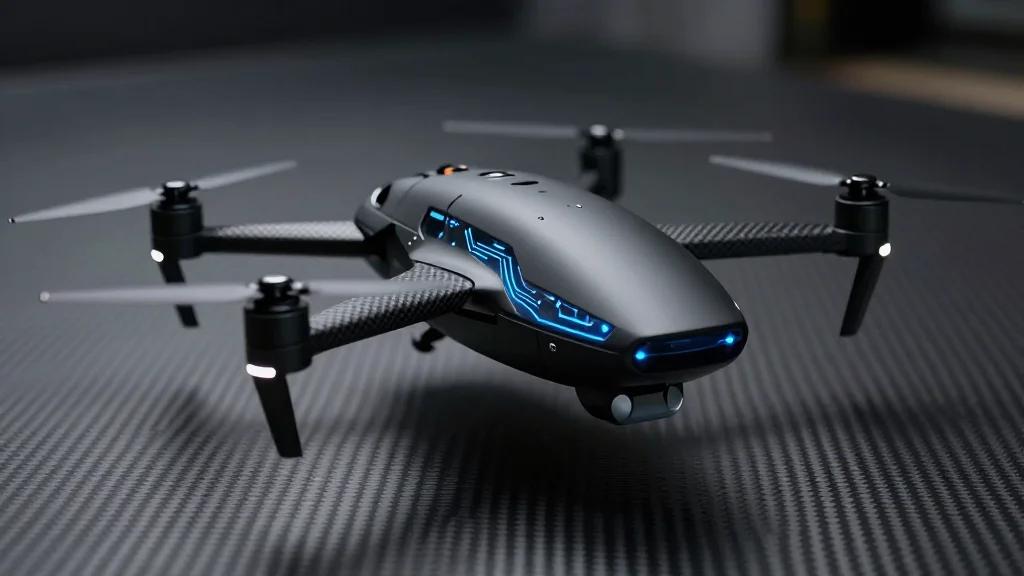
ZenaTech Launches Low-Cost Interceptor Drone Prototype for US, Middle East and Ukraine Defense

Why It Matters
The Interceptor P-1 highlights a shift in defense procurement toward affordable, disposable kinetic solutions that can be fielded in large numbers. By reducing the per‑engagement cost, militaries can address the proliferation of cheap, swarm‑capable drones without exhausting limited missile inventories. The program also underscores how AI‑driven autonomy and quantum‑enabled data processing are being fused into hardware to create rapid‑response, networked defense layers. If ZenaTech’s prototype proves viable, it could accelerate a broader industry trend toward modular, low‑cost counter‑UAS kits that integrate with existing platforms. This would force legacy missile and laser manufacturers to rethink pricing models and could spur new standards for interoperability across allied forces, reshaping how coalition air‑defense networks are built.
Key Takeaways
- •ZenaTech’s ZenaDrone starts development of the Interceptor P-1, a single‑use VTOL interceptor drone
- •Prototype targeted for completion within the next few months
- •Drone aims to cost a fraction of traditional missiles or lasers
- •Counter‑UAS market growing >25 % annually, projected >$10 billion by 2030
- •ZenaTech eyes contracts with U.S., NATO, GCC and Ukrainian defense customers
Pulse Analysis
ZenaTech’s announcement arrives at a moment when the economics of drone warfare are being rewritten. The traditional cost‑per‑kill model—where a high‑priced missile is expended to destroy a low‑cost commercial UAV—has become unsustainable for many defense budgets. By offering an expendable, autonomous interceptor, ZenaTech is betting that kinetic, low‑margin hardware combined with high‑margin software services (AI targeting, quantum‑enhanced data links) will create a new revenue stream.
Historically, counter‑UAS solutions have been dominated by large defense contractors with deep missile or laser portfolios. ZenaTech’s approach leverages its SaaS and DaaS background to embed the interceptor within a broader digital ecosystem, potentially allowing customers to purchase the hardware at near‑cost while paying recurring fees for software updates, threat analytics and quantum‑secure communications. This hybrid model could disrupt incumbents that rely on one‑off hardware sales.
Looking ahead, the success of the Interceptor P-1 will hinge on three factors: performance against swarming threats, integration speed with existing command‑and‑control networks, and the ability to secure export licenses for high‑sensitivity markets. If ZenaTech can demonstrate reliable interception at a fraction of missile cost, it may trigger a cascade of similar programs from both startups and established OEMs, accelerating the democratization of kinetic counter‑UAS capabilities across allied forces.
ZenaTech Launches Low-Cost Interceptor Drone Prototype for US, Middle East and Ukraine Defense
Comments
Want to join the conversation?
Loading comments...