Other
NR Investments Secures $190M Financing for Uni+Dos Apartment Tower in Miami Arts District
•March 9, 2026
•Mar 9, 2026
0
Participants
Why It Matters
The tower expands affordable rental supply in a high‑cost market, leveraging federal and local funds to address Miami’s workforce‑housing shortage.
Key Takeaways
- •398 units for 60‑140% AMI households
- •$130M HUD loan forms financing backbone
- •$27M grants and $15M tax increment financing included
- •Ground‑floor 8,500 sq ft commercial space planned
- •Construction starts April, targeting workforce renters
Pulse Analysis
Miami’s rental market has tightened dramatically as tech firms and financial services flock to the city, pushing median rents well above what many middle‑income families can afford. Workforce housing—units priced for households earning 60% to 140% of the area median income—has become a critical policy focus. Uni+Dos adds nearly 400 such units, directly targeting the segment most vulnerable to displacement, while the inclusion of ground‑floor retail aims to activate street‑level activity and support local employment.
The financing structure behind Uni+Dos illustrates how public‑private partnerships can unlock sizable development capital. A $130 million loan from the U.S. Department of Housing and Urban Development serves as the project's keystone, reducing risk for private investors. Complementary $27 million in grants and $15 million in tax‑increment financing from the Omni Community Redevelopment Agency further lower the cost of capital, making the project viable without inflating rents. This layered approach signals to developers that sizable federal and municipal resources remain accessible for affordable‑housing initiatives, potentially catalyzing similar projects across the region.
Beyond the residential component, the 8,500 sq ft of commercial space reflects a broader trend toward mixed‑use developments that blend living, working, and leisure. By situating retail at street level, Uni+Dos can attract neighborhood businesses, enhancing the Arts District’s vibrancy and generating ancillary tax revenue. As Miami continues to grapple with housing affordability, projects like Uni+Dos demonstrate a scalable model that aligns community needs with investor returns, setting a precedent for future workforce‑housing ventures nationwide.
Deal Summary
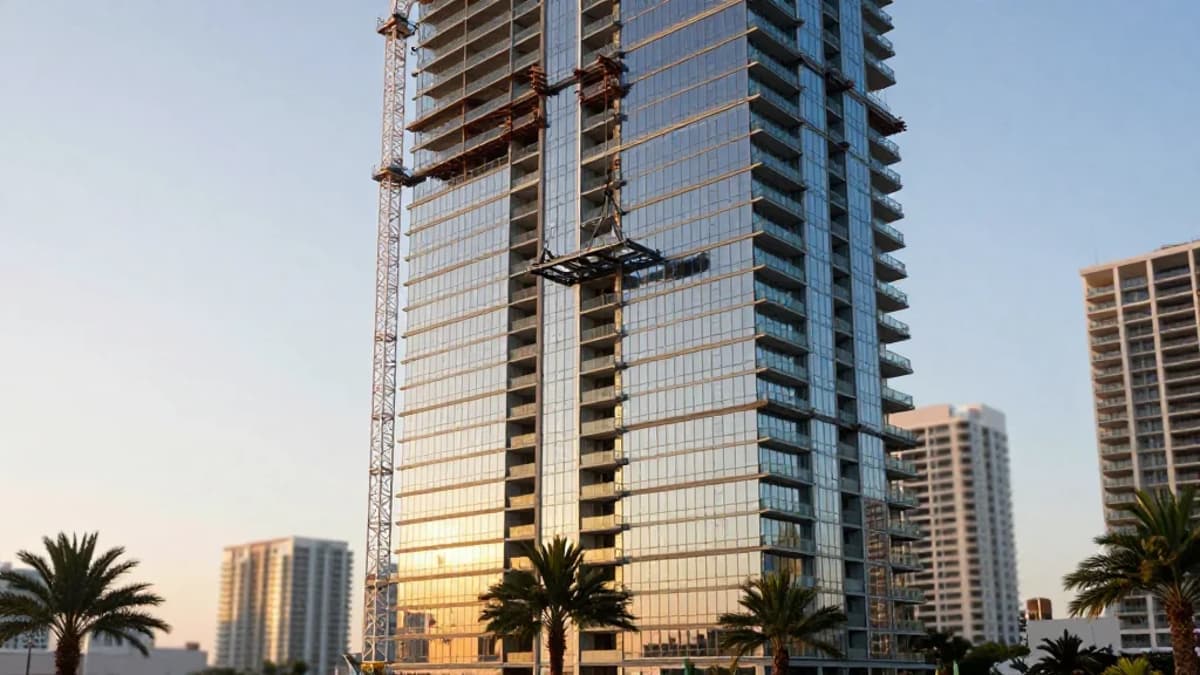
NR Investments broke ground on Uni+Dos, a 31‑story, 398‑unit residential tower in Miami’s Arts and Entertainment District. The project is backed by a $130 million HUD loan, $27 million in grants and $15 million in tax‑increment financing, totaling about $190 million. Construction is slated to begin in April.
0
Comments
Want to join the conversation?
Loading comments...