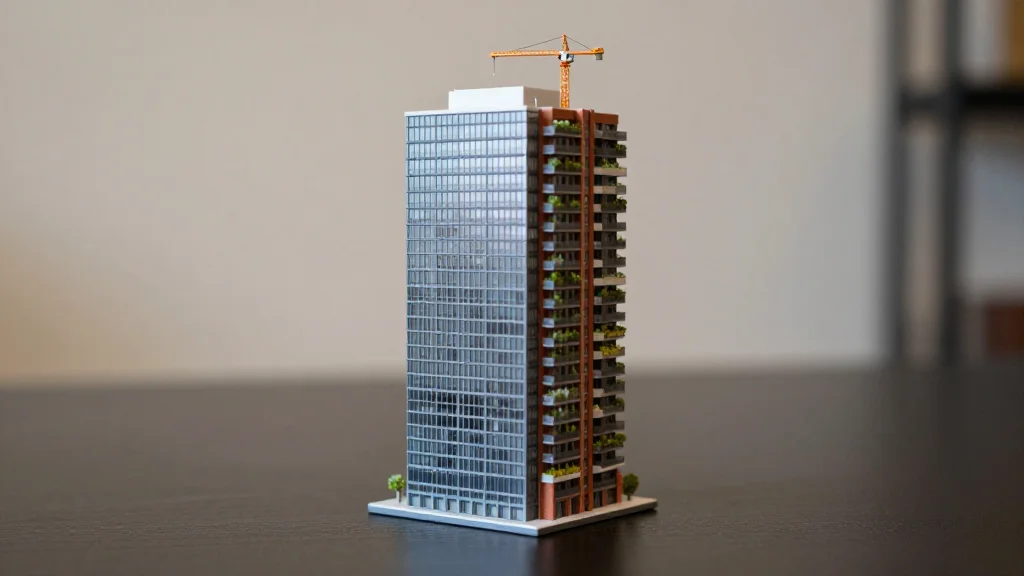
Boston Extends Conversion Program to 2026, Targeting Over 1,500 Affordable Units

Why It Matters
The extension of Boston’s Conversion Program creates a tangible policy tool for investors seeking to redeploy surplus office inventory into income‑generating residential assets, a trend that could redefine the city’s commercial real‑estate fundamentals. By lowering the cost of capital and offering tax relief, the program reduces the financial barrier to conversion, making it a more attractive option than traditional office hold strategies. For the broader affordable‑housing ecosystem, the program provides a scalable pathway to increase supply without requiring new land development, helping the city address chronic housing shortages while simultaneously revitalizing underused downtown corridors. The ripple effects on adjacent commercial properties—through altered comparable sales, increased retail demand, and revised income valuations—underscore how a single policy lever can reshape an entire market segment.
Key Takeaways
- •Boston Conversion Program reauthorized through Dec. 31, 2026
- •Program has delivered >1,500 affordable‑housing units since 2023
- •Extension offers zoning relief, tax abatements and city‑coordinated financing
- •Adjacency to conversion projects changes comparable‑sales comps for office owners
- •Growing residential anchor density boosts ground‑floor retail demand
Pulse Analysis
Boston’s decision to extend its Conversion Program reflects a pragmatic response to the office‑vacancy shock that has rippled through major metros since the pandemic. Historically, cities have relied on new construction to meet housing needs, but Boston’s approach leverages existing stock, cutting land‑cost premiums and accelerating delivery timelines. The policy’s success hinges on the alignment of three forces: regulatory certainty, financial incentives, and market appetite for mixed‑use assets. By bundling zoning fast‑tracks with tax abatements, the city effectively lowers the internal rate of return hurdle for developers, making conversion competitive with new-build projects.
From an investor perspective, the extension reshapes risk calculations. Office assets that were once written down now carry a conversion premium, expanding the pool of viable acquisition targets for funds focused on value‑add strategies. This could attract institutional capital that previously avoided the sector due to uncertainty around exit options. However, the upside is tempered by execution risk—conversion projects require complex design, permitting and financing coordination, and any delays could erode projected returns. The BPDA’s continued oversight and reporting will be critical to maintaining investor confidence.
Looking forward, Boston may set a template for other dense urban markets grappling with excess office space. If the 2026 deadline yields a sustained pipeline of high‑quality, affordable units, it could validate conversion as a core component of municipal housing policy. Conversely, if the program stalls, it may prompt cities to reconsider the balance between incentives and market forces. For now, the extension offers a clear signal that Boston is betting on adaptive reuse to drive both real‑estate value creation and social equity.
Boston Extends Conversion Program to 2026, Targeting Over 1,500 Affordable Units
Comments
Want to join the conversation?
Loading comments...