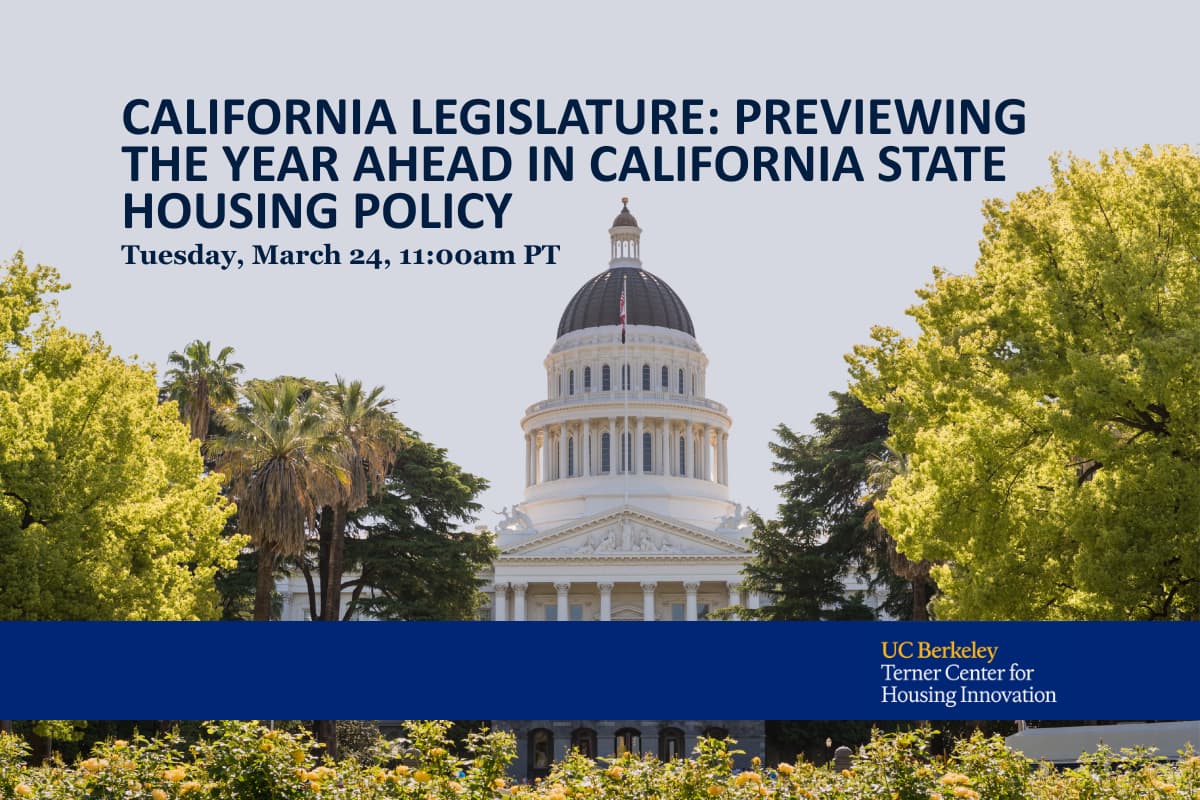
California Legislature: Previewing the Year Ahead in California State Housing Policy
Key Takeaways
- •2025‑2026 cycle builds on 2024 housing reforms
- •Legislators targeting zoning flexibility for affordable units
- •Increased state funding for transit‑adjacent development
- •Climate resilience standards likely to tighten building codes
- •Rent‑control extensions may affect investor returns
Pulse Analysis
California’s housing shortage remains a defining economic challenge, and the state’s biennial legislative cycle is the primary engine for systemic change. The 2025‑2026 session follows a landmark first year that passed landmark bills on inclusionary zoning, statewide rent‑control extensions, and climate‑ready construction mandates. By convening experts and policymakers, the Terner Center’s webinar signals that the next wave of legislation will aim to translate those reforms into measurable increases in affordable units, while balancing growth with environmental imperatives.
Analysts anticipate three policy thrusts dominating the 2026 agenda. First, zoning reforms are likely to broaden “by‑right” allowances for multifamily development near transit hubs, reducing discretionary approvals and accelerating project timelines. Second, the state is expected to unlock additional funding—through bonds and the Housing Accelerator Fund—to incentivize transit‑oriented projects that meet affordability thresholds. Third, building codes will tighten to meet stricter climate‑resilience standards, compelling developers to incorporate flood‑proofing, energy‑efficiency, and wildfire‑mitigation measures early in design. These initiatives collectively aim to boost supply while safeguarding long‑term sustainability.
The implications for the market are profound. Developers who adapt quickly to relaxed zoning and secure state‑backed financing can capture premium sites and achieve faster returns. Conversely, investors must factor in higher construction costs tied to climate‑ready standards and potential rent‑control extensions that could compress profit margins. Local jurisdictions will need to align municipal plans with state directives, fostering coordinated land‑use strategies. Overall, the 2026 housing policy trajectory promises to reshape California’s real‑estate landscape, making strategic foresight essential for all stakeholders.
California Legislature: Previewing the Year Ahead in California State Housing Policy
Comments
Want to join the conversation?