Chinese Buyers Redefine Hong Kong’s Hottest New Neighborhoods
Why It Matters
The shift redirects capital into previously under‑priced neighborhoods, boosting Hong Kong’s overall housing supply and altering the city’s price hierarchy, which could influence future investment strategies and government housing policy.
Key Takeaways
- •Mainland buyers now favor Kai Tak, Tseung Kwan O, Kwun Tong
- •Neighborhood price gains hit 12‑15% YoY
- •Developers fast‑track projects to meet new demand
- •Shift may ease pressure on traditional luxury districts
Pulse Analysis
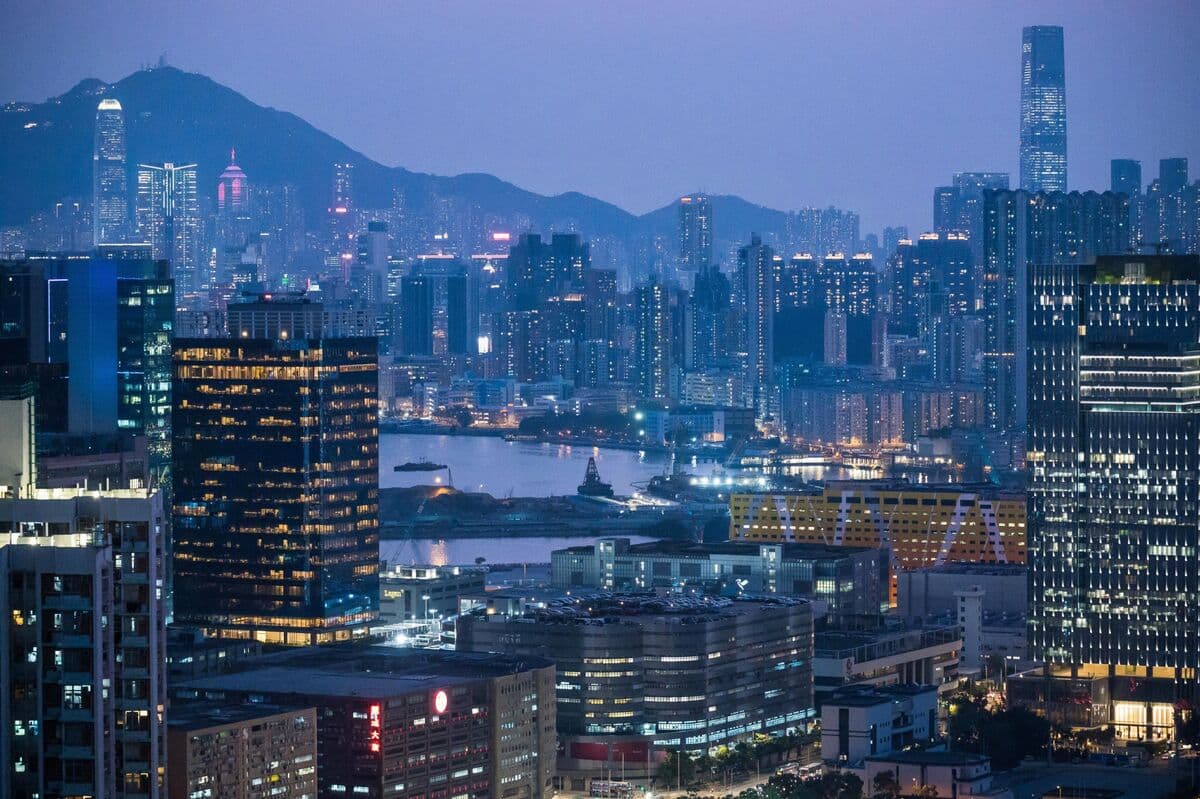
Hong Kong’s real‑estate market has long been synonymous with high‑rise luxury on the Peak, but a wave of mainland Chinese investors is rewriting that narrative. With capital controls tightening in China and a growing desire for overseas assets, buyers are turning to newer, well‑connected districts that offer modern infrastructure, schools, and transport links. Areas like Kai Tak, once a former airport site, now host sleek residential towers and retail hubs, while Tseung Kwan O’s waterfront developments provide a suburban feel with city convenience. This migration is not merely a taste for novelty; it reflects a strategic allocation of wealth toward assets perceived as safe havens amid global economic uncertainty.
The influx has tangible price effects. According to Bloomberg’s latest data, properties in these emerging neighborhoods have appreciated between 12% and 15% over the past twelve months, outpacing the modest 5%‑7% growth seen in established luxury zones. Developers are responding by accelerating construction pipelines, converting former industrial blocks into mixed‑use complexes, and offering incentives such as flexible payment plans to attract further mainland capital. This supply‑side agility is reshaping the city’s development focus, prompting a shift from vertical megaprojects on the island to horizontal expansion across the New Territories.
Looking ahead, the trend suggests a more balanced housing market, where price pressure eases in traditional high‑end districts while new hotspots become the benchmark for future growth. Investors should monitor policy signals from both Hong Kong’s housing authority and Beijing’s capital‑flow regulations, as any relaxation could reignite demand in these burgeoning areas. For developers, the key lies in delivering high‑quality, transit‑oriented projects that meet the lifestyle expectations of mainland buyers, ensuring sustained momentum in a market that is increasingly defined by cross‑border dynamics.
Chinese Buyers Redefine Hong Kong’s Hottest New Neighborhoods
Comments
Want to join the conversation?
Loading comments...